

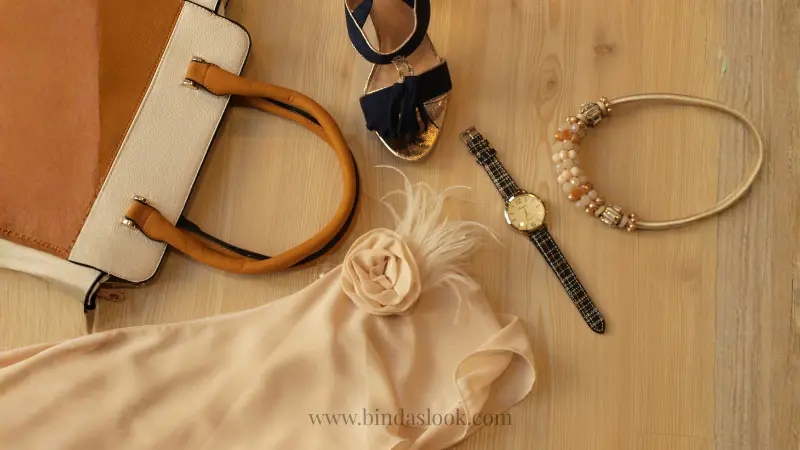
Future-Proof Your Style: Essential Fashion Trends for 2026
The fashion landscape is in a constant state of flux, yet anticipating its trajectory is crucial for both consumers seeking timeless wardrobes and industry professionals aiming for innovation. As expert strategists in the realm of fashion and consumer trends, we systematically analyzed emerging shifts, technological advancements, and evolving societal values to forecast the essential fashion trends that will define 2026. Our objective is to provide a comprehensive guide, rooted in deep understanding and practical foresight, to help you future-proof your style.
In the coming years, fashion will transcend mere aesthetics, becoming a powerful reflection of our collective consciousness, embracing sustainability, technological integration, and radical personalization. This article delves into the core tenets that will shape wardrobes globally, offering actionable insights and expert perspectives to navigate this exciting evolution.
The Dawn of Sustainable & Regenerative Fashion
One of the most profound shifts defining fashion for 2026 is the undeniable move towards sustainability and regeneration. Consumers are increasingly demanding transparency and ethical practices, pushing brands to innovate beyond superficial "greenwashing." We anticipate a significant uptake in materials derived from bio-based sources, recycled content, and regenerative agriculture. Expect to see an emphasis on innovative textiles like mushroom leather, algae-based dyes, and fabrics made from agricultural waste streams. The focus extends beyond raw materials to the entire lifecycle of a garment, prioritizing durability, repairability, and circularity.
Brands will increasingly adopt circular business models, offering repair services, take-back programs, and incentivizing garment recycling. This isn't just about reducing harm; it's about actively contributing to environmental restoration and resource efficiency. We expect a greater emphasis on localized production and supply chains, reducing carbon footprints and fostering community economies. This systemic change, driven by both consumer demand and regulatory pressures, marks a paradigm shift from linear consumption to a truly circular fashion ecosystem. For a deeper understanding of this critical transition, we often refer to the principles outlined by organizations dedicated to this future, such as the Ellen MacArthur Foundation's initiatives on circular fashion.
Tech-Infused Aesthetics: Wearable Innovation
Technology's integration into fashion will move beyond novelty to become seamlessly functional and aesthetically relevant by 2026. Smart textiles will offer enhanced comfort, temperature regulation, and even health monitoring, subtly woven into everyday wear. Imagine garments that adapt to your body temperature, change color with a mood, or monitor your vitals without cumbersome devices. Augmented Reality (AR) and Virtual Reality (VR) will continue to revolutionize the shopping experience, allowing virtual try-ons and immersive brand storytelling, further blurring the lines between the digital and physical realms.
Digital fashion, already gaining traction through NFTs and metaverse integrations, will mature into a legitimate segment of the industry. Brands will increasingly launch digital-only collections, allowing for hyper-personalization, zero-waste production, and accessibility in virtual spaces. This will not only create new revenue streams but also serve as a creative playground for designers, pushing the boundaries of what's physically possible in garment design. The intersection of AI in design processes, from trend forecasting to bespoke pattern generation, will empower designers and offer consumers unprecedented levels of customization.
The Rise of Personalized & Fluid Styles
Individuality and self-expression will reach new heights, with fashion becoming a truly personal narrative. Traditional gender binaries in clothing will continue to erode, giving way to an increasing prevalence of gender-fluid collections and styles designed for all. Comfort, versatility, and adaptability will be paramount, leading to designs that transition effortlessly across different occasions and personal identities. We anticipate a surge in modular clothing systems, allowing wearers to customize elements like sleeves, collars, and hemlines to suit their mood or environment.
The "do-it-yourself" (DIY) aesthetic will evolve, facilitated by accessible design tools and collaborative platforms. Consumers will have greater agency in co-creating their garments, from choosing fabrics and silhouettes to applying unique embellishments. This empowers individuals to craft wardrobes that authentically reflect their values and personality, moving away from mass-produced uniformity towards bespoke and meaningful pieces. This trend signifies a shift from dictated trends to personalized curation.
A Return to Craftsmanship and Heritage
Amidst technological advancements and the push for newness, 2026 will also witness a significant resurgence of appreciation for craftsmanship, heritage techniques, and the narrative behind a garment. Consumers are increasingly valuing the story, skill, and human touch embedded in their clothing. This translates into a demand for artisanal pieces, hand-embroidery, traditional weaving methods, and garments made with meticulous attention to detail and quality.
Brands that can communicate their heritage, ethical production, and the provenance of their materials will resonate strongly. This isn't about nostalgia for nostalgia's sake, but a desire for authenticity and longevity. Vintage and archival pieces will gain even greater cachet, reflecting a broader movement towards conscious consumption and an antidote to fast fashion's disposability. Investment in timeless classics, imbued with quality and character, will become a cornerstone of the future-proofed wardrobe.
Comparative Analysis: Traditional vs. Future-Proofed Wardrobe Principles
To highlight the fundamental shift, we compared traditional wardrobe principles with those poised to define fashion in 2026:
| Aspect | Traditional Wardrobe Principle | Future-Proofed Wardrobe Principle (2026) |
|---|---|---|
| Purchasing Driver | Seasonal trends, impulse buys | Longevity, versatility, ethical production, personal relevance |
| Material Focus | Cost, conventional fibers | Sustainable innovation (bio-based, recycled), durability, natural fibers |
| Design Ethos | Gender-specific, fixed styles | Gender-fluid, modular, customizable, comfort-driven |
| Consumption Model | Linear (buy-use-dispose) | Circular (buy-use-repair-resell-recycle), rental, collaborative |
| Technology Role | Minimal; primarily manufacturing | Integrated (smart textiles), interactive (AR/VR), digital fashion |
Navigating the Evolving Fashion Landscape
Adapting to these future trends requires a conscious shift in mindset. For consumers, it means embracing a more mindful approach to consumption, prioritizing quality over quantity, and valuing the story and impact behind each purchase. It involves becoming more experimental with personal style, open to blurring traditional boundaries, and engaging with technology not just as a tool, but as an integral part of the fashion experience. We advise exploring new platforms for digital fashion and engaging with brands that openly champion ethical practices and material innovation. Insights from industry leaders, such as those published in The Business of Fashion's "State of Fashion" reports, consistently underscore these transformative shifts.
For brands and designers, the imperative is clear: radical transparency, genuine commitment to sustainability, and an agile approach to technology are non-negotiable. Building community, fostering co-creation, and offering personalized experiences will be key differentiators. The future of fashion lies in its ability to be inclusive, innovative, and intimately connected to our shared future.
Conclusion
The essential fashion trends for 2026 paint a picture of an industry in profound transformation. From the foundational shift towards circularity and regenerative practices to the exciting frontiers of wearable technology and radical personalization, the future of style is dynamic and purpose-driven. By embracing these principles, we can all contribute to a more responsible, innovative, and personally expressive fashion landscape, ensuring our style remains relevant and impactful for years to come.
Suggested Articles
 General
Your 2026 Style Guide: Mastering Future Fashion Trends
Unlock the future of fashion with our comprehensive 2026 style guide. Explore sustainable, tech-integrated, and gende...
Read Article arrow_forward Fashion Trends
Deconstructing Denim: Reinventing Jeans in 2026 Fashion
Explore how denim is being reinvented by 2026 fashion trends, focusing on sustainable practices, innovative silhouett...
Read Article arrow_forward General
General
General
Paris, Milan, New York: What 2026 Fashion Weeks Predict
Dive into the major trends emerging from the 2026 Fashion Weeks in Paris, Milan, and New York. Discover key silhouett...
Read Article arrow_forward