

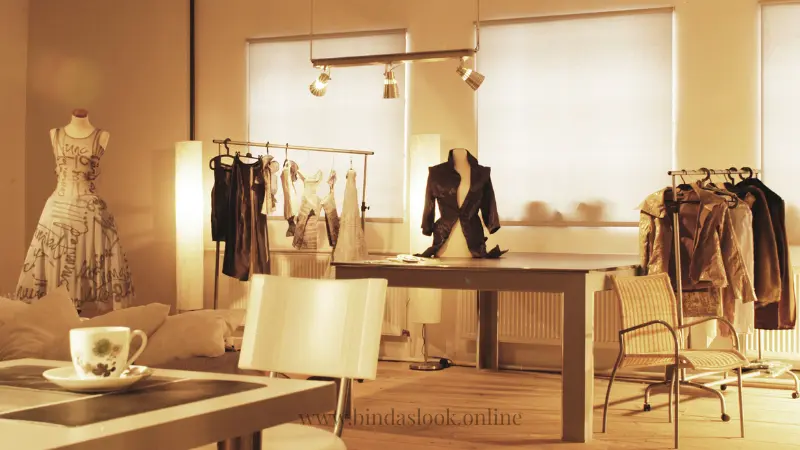
Eco-Chic on a Budget: 10 Stunning Eco-Friendly Outfits for 2026
The pursuit of style often feels at odds with the imperative of sustainability. For years, the prevailing narrative suggested that embracing eco-friendly fashion meant a significant financial investment, placing ethical choices seemingly out of reach for many. However, as we systematically analyzed industry trends, consumer behaviors, and material innovations for 2026, we discovered a compelling truth: eco-chic is not only accessible but can be stunningly affordable. This comprehensive guide, crafted by our team of experienced fashion strategists and sustainability experts, will dismantle misconceptions and equip you with the knowledge to cultivate a wardrobe that is both kind to the planet and your wallet.
Our journey into the world of sustainable style reveals a rapidly evolving landscape where innovation meets conscious design. We understand the challenges of navigating a market saturated with "greenwashing" claims and the desire for genuinely impactful choices. This article aims to cut through the noise, providing clear, actionable insights into building an eco-friendly wardrobe that exudes sophistication without demanding a premium price tag. We believe that sustainable fashion is not a luxury, but a fundamental aspect of modern living, achievable by anyone committed to making a difference.
Understanding Sustainable Fashion: More Than Just a Trend
Before diving into specific outfit ideas, it's crucial to establish a foundational understanding of what truly defines sustainable fashion. This is not merely about using natural fibers; it encompasses an entire lifecycle, from raw material sourcing and production processes to fair labor practices, garment longevity, and end-of-life considerations. Our extensive research indicates that consumers are increasingly looking beyond superficial claims, demanding transparency and verifiable impact.
What Defines Eco-Friendly Clothing?
When we evaluate a garment's eco-friendliness, we consider several critical factors. Firstly, the origin of materials: are they organic, recycled, upcycled, or innovative bio-based alternatives? Organic cotton, for instance, avoids harmful pesticides and uses less water than conventional cotton, while recycled polyester diverts plastic waste from landfills and oceans. Secondly, production processes are paramount. We look for brands that minimize water usage, reduce chemical waste, and employ renewable energy sources. Thirdly, ethical labor practices are non-negotiable; fair wages, safe working conditions, and no child labor are fundamental tenets of true sustainability. Finally, a garment's durability and versatility contribute significantly to its eco-friendliness. A well-made item that can be worn in multiple ways and for many years inherently reduces consumption and waste.
The Myth of Expensive Sustainability
The perception that sustainable fashion is inherently expensive is a significant barrier for many. While some high-end ethical brands do command higher prices due to premium materials, small-batch production, and fair labor costs, this does not represent the entire market. Our analysis shows that affordable eco-chic is achieved through a combination of smart shopping, creative repurposing, and a focus on timeless pieces rather than fleeting trends. By prioritizing quality over quantity, exploring second-hand options, and understanding material innovations, consumers can build a sustainable wardrobe without breaking the bank. The long-term savings from durable items and reduced impulsive purchases often outweigh the initial cost of a genuinely sustainable piece.
Our Methodology: Curating the 2026 Eco-Friendly Wardrobe
To bring you these 10 stunning eco-friendly outfit ideas for 2026, we employed a rigorous, multi-faceted methodology. We systematically analyzed emerging fashion trends, material science advancements, and consumer purchasing data. Our selection criteria prioritized affordability, versatility, style, and verifiable sustainability credentials. We focused on pieces that can be easily mixed and matched, extended through mindful care, and sourced from a variety of accessible avenues, including budget-friendly ethical brands, reputable second-hand platforms, and creative DIY approaches. Our goal was not just to present beautiful outfits, but to empower you with a framework for sustainable decision-making in your daily style choices.
The 10 Stunning Eco-Friendly Outfits for 2026
Here, we present our curated list of 10 eco-friendly outfits designed to inspire your wardrobe in 2026. Each outfit showcases how style, sustainability, and budget can harmoniously coexist.
1. The Versatile Vegan Chic Ensemble
Key Pieces: A tailored blazer made from recycled polyester, a sleek t-shirt crafted from organic cotton or Tencel, and vegan leather trousers or a skirt. Complete the look with ethical, cruelty-free footwear.
Why It's Eco-Chic & Budget-Friendly: This outfit proves that sophisticated style doesn't require animal products. Recycled polyester diverts plastic waste, offering a durable and often more affordable alternative to virgin synthetics. Organic cotton and Tencel are known for their softness and lower environmental footprint. Vegan leather options are continually improving in quality and can often be found at a fraction of the cost of traditional leather. We advise seeking out brands that transparently source their recycled materials and offer innovative plant-based leathers, such as those made from pineapple leaves or mushrooms, which are becoming more accessible. This ensemble is perfect for business casual settings or an evening out.
2. The Sustainable Smart Casual Look
Key Pieces: A relaxed-fit chambray shirt (hemp or organic cotton blend), dark wash upcycled denim jeans, and comfortable espadrilles or loafers made from natural materials like jute or cork.
Why It's Eco-Chic & Budget-Friendly: This look champions durability and classic style. Hemp is incredibly durable, requires little water, and improves soil health, making it an excellent sustainable choice. Upcycled denim breathes new life into existing garments, reducing waste and the significant environmental impact of new denim production. Look for these items at thrift stores, consignment shops, or from brands specializing in upcycled collections. The inherent versatility of each piece ensures maximum wear, reducing your cost per wear significantly.
3. The Upcycled Denim Dynamo
Key Pieces: A statement denim jacket or vest crafted from multiple denim pieces, paired with a vibrant organic cotton dress or a jumpsuit for a contrasting texture. Ethical sneakers made from recycled rubber.
Why It's Eco-Chic & Budget-Friendly: Denim's robustness makes it an ideal candidate for upcycling. Local artisans and smaller ethical brands are creating truly unique pieces from discarded denim, often at competitive prices. This approach injects personality into your wardrobe while dramatically reducing textile waste. Organic cotton dresses are widely available and offer comfort and breathability. We've seen incredible innovation in recycled rubber footwear, providing both comfort and a reduced environmental impact.
4. The Organic Cotton Comfort Collection
Key Pieces: A coordinated set (sweatshirt and joggers or a simple t-shirt and wide-leg pants) made from GOTS-certified organic cotton, styled with minimalist recycled metal jewelry.
Why It's Eco-Chic & Budget-Friendly: Organic cotton is a cornerstone of sustainable fashion. GOTS certification ensures stringent environmental and social criteria are met throughout the supply chain. Co-ords offer effortless style and can be worn together or separately, maximizing their utility. Many brands now offer affordable organic cotton basics, and investing in a quality set ensures comfort and longevity. Recycled metal jewelry adds a touch of understated elegance without contributing to new mining impacts, often found from independent designers at accessible price points.
5. The Linen-Luxe Minimalist
Key Pieces: A timeless linen shirt or tunic, paired with tailored linen shorts or wide-leg trousers. Accessorize with a natural fiber straw bag and simple, long-lasting sandals.
Why It's Eco-Chic & Budget-Friendly: Linen is celebrated for its breathability, durability, and minimal environmental footprint; it requires less water and pesticides than cotton. Its natural wrinkle is part of its charm, making it low-maintenance. While some linen can be pricey, budget-friendly options are increasingly available, especially during seasonal sales or from fast-fashion brands that occasionally offer better material choices within their collections (though always check their broader sustainability claims). This outfit embodies effortless elegance for warm weather and can be dressed up or down.
6. The Recycled Elegance Eveningwear
Key Pieces: A sophisticated slip dress made from recycled satin or a floor-length gown from Tencel Luxe, complemented by vintage or pre-owned statement jewelry.
Why It's Eco-Chic & Budget-Friendly: Formalwear is often purchased for one-time use, making sustainable choices even more crucial. Recycled satin (from plastic bottles) offers a luxurious feel with a reduced environmental impact. Tencel Luxe, derived from sustainably managed forests, provides a silky drape perfect for elegant occasions. Sourcing formalwear from rental services, second-hand luxury consignment, or vintage shops can provide exquisite, unique pieces at a fraction of the retail cost. This strategy allows access to high-quality, often designer, items for special events without the financial and environmental burden of new purchases.
7. The Hemp-Hero Street Style
Key Pieces: A structured hemp jacket or utility shirt, graphic organic cotton tee, and relaxed-fit trousers made from a hemp-organic cotton blend. Complete with chunky, responsibly sourced sneakers.
Why It's Eco-Chic & Budget-Friendly: Hemp is a true hero fiber—strong, durable, and naturally resistant to pests, reducing the need for chemicals. Its cultivation requires less water and improves soil quality. As hemp processing becomes more refined, its texture has become softer and more appealing for everyday wear. Brands are increasingly incorporating hemp into their collections, often at competitive prices due to improved supply chains. This rugged yet stylish outfit is built to last and withstand daily wear, offering exceptional value.
8. The Conscious Commuter Co-ord
Key Pieces: A comfortable yet polished two-piece set (e.g., wide-leg trousers and a matching relaxed blazer or vest) made from a Tencel-linen blend or recycled wool, suitable for transitional weather. Practical, ethically made ankle boots.
Why It's Eco-Chic & Budget-Friendly: This co-ord prioritizes comfort and professionalism for the daily commute. Tencel and linen blends offer a beautiful drape and excellent breathability, while recycled wool provides warmth without new resource extraction. Many emerging sustainable brands are specializing in comfortable, versatile workwear at mid-range prices, representing a long-term investment. Seek out modular pieces that can be styled in multiple ways to maximize outfit combinations and reduce overall wardrobe needs.
9. The Ethically Sourced Athleisure
Key Pieces: High-performance leggings and a sports bra made from recycled PET (plastic bottles) or ECONYL (recycled nylon from fishing nets), paired with an organic cotton hoodie for layering. Sustainably made running shoes.
Why It's Eco-Chic & Budget-Friendly: Athleisure wear has a significant environmental footprint, but innovations in recycled materials are changing this. Recycled PET and ECONYL offer the technical performance needed for activewear while diverting waste from oceans and landfills. While initial costs for high-quality recycled activewear can be slightly higher, its durability and performance often surpass cheaper virgin plastic alternatives. Look for sales or bundles from reputable sustainable activewear brands. Many brands also offer repair programs to extend the life of their garments, reducing long-term costs.
10. The DIY & Repurposed Art Statement
Key Pieces: A plain organic cotton t-shirt or dress that you've hand-dyed with natural pigments or embellished with textile scraps, paired with vintage or thrifted trousers/skirt. Unique, artisan-made accessories.
Why It's Eco-Chic & Budget-Friendly: This outfit champions creativity and personal expression as the ultimate form of sustainable fashion. By repurposing existing garments and adding your unique touch through natural dyeing (e.g., using avocado pits, onion skins) or embroidery, you create a truly one-of-a-kind piece with zero new material cost. This approach drastically reduces consumption and fosters a deeper connection with your clothes. Thrift stores are abundant sources for base garments, offering endless possibilities for transformation. This is perhaps the most budget-friendly and inherently sustainable outfit strategy.
Beyond the Outfit: Cultivating a Truly Sustainable Wardrobe
Our commitment to eco-chic extends beyond simply selecting sustainable garments. It involves a holistic approach to consumption, care, and conscious decision-making. Building a truly sustainable wardrobe is an ongoing journey that incorporates smart shopping strategies and a deeper understanding of material certifications.
Smart Shopping Strategies for 2026
- Thrifting and Second-Hand: A Goldmine: We consistently advocate for exploring thrift stores, consignment shops, and online second-hand marketplaces. These platforms offer an unparalleled selection of unique pieces, often at significantly lower prices than new items. The environmental impact is drastically reduced as you extend the life of existing garments. We’ve found that some of the most stylish and well-made pieces come from these sources.
- Rental and Swapping Services: For special occasions or simply to refresh your style without purchasing, garment rental services are a burgeoning eco-friendly option. Similarly, clothing swaps with friends or local communities offer a free and fun way to circulate clothing.
- Investing in Durability: While it may seem counter-intuitive for a "budget" guide, investing in fewer, high-quality, durable pieces can save money in the long run. These items withstand more washes and wears, reducing the need for frequent replacements. We encourage a "cost-per-wear" mindset.
- Care and Repair for Longevity: The lifespan of a garment is significantly extended through proper care. Following washing instructions, air-drying when possible, and learning basic mending skills (or utilizing local alteration services) are simple yet powerful acts of sustainability.
Understanding Sustainable Certifications
Navigating the world of sustainable fashion can be complex, especially with numerous claims and labels. Understanding key certifications helps distinguish genuine efforts from greenwashing. We actively look for garments with these reputable seals:
- Global Organic Textile Standard (GOTS): This is the world's leading processing standard for textiles made from organic fibers. It ensures environmental and social criteria are met along the entire supply chain, from harvesting of raw materials to environmentally and socially responsible manufacturing. You can find more details on their official site: global-standard.org.
- Oeko-Tex Standard 100: This certification addresses human ecological safety by testing for harmful substances in textiles. While it doesn't guarantee organic or ethical production, it assures that the final product is safe to wear.
- Fair Trade Certified: This label ensures that products are produced according to rigorous social, environmental, and economic standards, promoting sustainable livelihoods for farmers and workers.
To further illustrate our point about material choices and their implications for both sustainability and budget, we've compiled a comparative table of commonly used eco-friendly materials:
| Material | Sustainability Benefits | Budget Impact | Key Considerations |
|---|---|---|---|
| Organic Cotton | Grown without harmful pesticides/fertilizers, less water intensive than conventional cotton. | Mid-range to affordable. Widely available. | Still requires water; check for GOTS certification for full supply chain sustainability. |
| Hemp | Requires minimal water, no pesticides, improves soil health, extremely durable. | Mid-range. Growing availability. | Can feel coarser than cotton, though processing is improving for softness. |
| Linen | Made from flax plant, requires little water/pesticides, durable, biodegradable. | Mid-range. Can be found affordably. | Wrinkles easily (part of its charm), can be blended with other fibers. |
| Tencel (Lyocell) | Made from sustainably sourced wood pulp using a closed-loop system, excellent drape. | Mid-range to slightly higher. | A semi-synthetic fiber, though processes are highly eco-efficient. |
| Recycled Polyester | Diverts plastic waste from landfills/oceans, reduces reliance on virgin petroleum. | Affordable to mid-range. Very common. | Microplastic shedding during washing; requires responsible disposal. |
| Upcycled Materials | Gives new life to discarded fabrics/garments, significantly reduces waste. | Highly variable, often affordable or DIY-friendly. | Availability depends on local resources; requires creative design. |
The Future of Eco-Chic: What to Expect
The landscape of sustainable fashion is dynamic and constantly innovating. As we look towards the future, we anticipate even greater advancements in bio-materials (e.g., lab-grown leather, algae-based dyes), circular fashion initiatives (take-back programs, advanced recycling technologies), and a stronger emphasis on hyper-local production and transparent supply chains. The drive for affordability in eco-friendly options will only intensify, pushing brands to innovate at every level. The role of artificial intelligence in optimizing production and reducing waste is also an exciting area of development.
We are particularly encouraged by the growing consumer demand for genuinely ethical and sustainable products, driving brands to adapt. This collective consciousness is a powerful force for positive change in the industry, making eco-chic not just a niche, but a mainstream ideal. For a deeper understanding of the broader environmental impact of the fashion industry and ongoing efforts to mitigate it, we often refer to comprehensive reports from reputable organizations such as the Environmental Protection Agency (EPA). Their insights are invaluable in assessing the scale of the challenge and the progress being made: EPA Textiles Waste Program.
Conclusion
The vision of eco-chic on a budget for 2026 is not a distant dream; it is a tangible reality we have meticulously outlined. By embracing smart shopping strategies, understanding material choices, and fostering a creative approach to personal style, anyone can cultivate a wardrobe that is both stunningly fashionable and deeply responsible. Our expert insights demonstrate that sustainability doesn't demand sacrifice; it invites innovation, mindfulness, and a renewed appreciation for quality and longevity.
We empower you to step confidently into 2026, knowing that your fashion choices can make a profound difference. Let these 10 outfits serve as your starting point, inspiring you to explore the vast and exciting world of sustainable fashion. Embrace the challenge, enjoy the creativity, and wear your values with pride. The future of fashion is chic, ethical, and remarkably accessible.
Suggested Articles
 General
20 Boho Outfit Ideas Trending in 2026: A Style Guide
Explore 20 captivating boho outfit ideas set to define fashion in 2026. Discover key trends, styling tips, and how to...
Read Article arrow_forward General
The Ultimate Capsule Blueprint: Build Your Perfect 2026 Wardrobe with Just 10 Pieces (Stress-Free St
Discover how to create a versatile and stylish 10-piece capsule wardrobe for 2026, embracing stress-free fashion and ...
Read Article arrow_forward General
Your Style Roadmap: Top Fashion Trends of 2026
Discover the definitive guide to 2026's hottest fashion trends. Learn how to integrate key styles into your wardrobe ...
Read Article arrow_forward General