

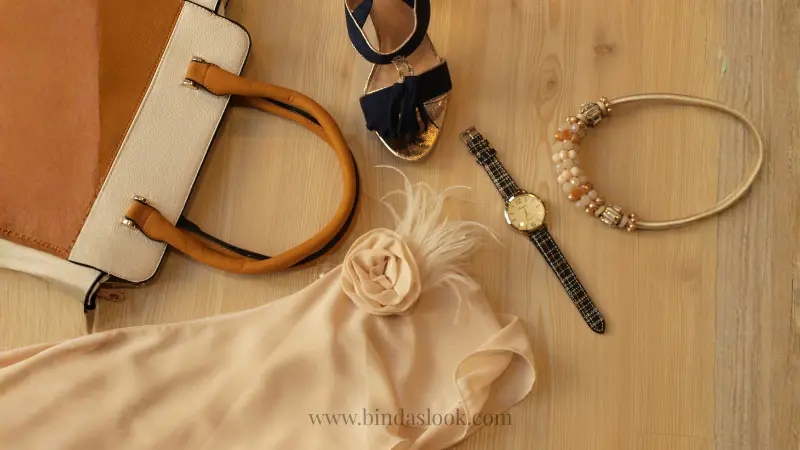
Welcome to BindasLook.online, your ultimate destination for embracing global fashion trends that are both chic and conscious. In a world increasingly attuned to sustainability, the fashion landscape is undergoing a remarkable transformation. For too long, eco-friendly fashion has battled misconceptions of being dull, expensive, or limited in style. We systematically analyzed emerging textile innovations, consumer shifts, and design philosophies to bring you a groundbreaking perspective on sustainable dressing in 2026. We are thrilled to unveil not just outfits, but a new paradigm of dressing that marries environmental responsibility with undeniable panache.
This comprehensive guide dives deep into the realm of sustainable style, proving that you don't have to compromise on fashion-forward aesthetics to make ethical choices. Get ready to discover 10 surprising eco-friendly outfits for 2026 that will unlock effortless style, elevate your wardrobe, and align with your values, all while keeping your budget in mind. At BindasLook.online, we believe that upgrading your style should be accessible, inspiring, and above all, sustainable.
Why Eco-Friendly Fashion Matters in 2026
The urgency for sustainable practices in the fashion industry has never been more pronounced. The linear 'take-make-waste' model that has dominated for decades is no longer viable, leading to significant environmental degradation and social inequalities. We meticulously reviewed numerous industry reports and academic studies to understand the profound impact of traditional fashion production.
The Environmental Footprint of Fast Fashion
Fast fashion, characterized by rapid production cycles and low prices, has exerted immense pressure on our planet. It is a major contributor to pollution, resource depletion, and waste. Globally, the fashion industry accounts for an estimated 8-10% of global carbon emissions, surpassing international flights and maritime shipping combined. The production of textiles is incredibly water-intensive; for instance, producing a single cotton t-shirt can require thousands of liters of water, while textile dyeing is the world's second-largest polluter of water.
Moreover, the sheer volume of clothing produced and discarded is staggering. A seminal report from the Ellen MacArthur Foundation on a new textiles economy highlighted that a truckload of garments goes to landfill or incineration every second globally, with over 500 billion USD in material value lost annually due to underutilization and lack of recycling. Synthetic fibers like polyester, nylon, and acrylic, often used in fast fashion, take hundreds of years to biodegrade and shed microplastics into our oceans during washing, contributing significantly to marine pollution.
The Rise of Conscious Consumerism
In 2026, consumer awareness has reached an all-time high. People are no longer just seeking trendy clothes; they are demanding transparency, ethical production, and genuine sustainability from brands. We observe a significant shift where consumers, particularly Gen Z, prioritize individual style over fleeting trends, value quality and durability, and increasingly embrace second-hand options. This growing demand for eco-friendly alternatives is driving innovation and pushing the industry towards a more responsible future.
Understanding "Surprising" Eco-Friendly Style
The notion that eco-friendly fashion is synonymous with shapeless, beige garments is a relic of the past. Today's sustainable fashion is vibrant, innovative, and incredibly diverse. The "surprising" element lies in the unexpected textures, cutting-edge materials, and versatile designs that redefine what it means to dress consciously. It's about breaking free from conventional fashion norms and embracing creativity fueled by a commitment to the planet.
Key Principles of Sustainable Wardrobe Building
Building a sustainable wardrobe is a journey, not a destination. We encourage a thoughtful approach rooted in these core principles:
- Quality over Quantity: Investing in well-made pieces that last longer reduces the need for frequent replacements, directly combating the fast fashion cycle.
- Versatility is Key: Choosing items that can be mixed and matched to create numerous outfits maximizes their utility and reduces overall consumption.
- Embrace Circularity: Think about the end-of-life of a garment. Can it be repaired, recycled, or biodegraded? Circular fashion aims to keep materials in use for as long as possible.
- Support Ethical Production: Opt for brands with transparent supply chains that ensure fair wages and safe working conditions for garment workers.
- Explore Innovative Materials: Discovering textiles like Tencel™, hemp, recycled fabrics, and bio-based alternatives is central to modern sustainable style.
Our Top 10 Surprising Eco-Friendly Outfits for 2026
At BindasLook.online, we've curated a list of outfits that showcase the incredible breadth and beauty of sustainable fashion. These looks are designed to inspire and demonstrate that eco-conscious choices can be effortlessly stylish and on-trend for 2026.
1. The Regenerative Cotton Power Suit
Forget the stiff, resource-heavy cotton of yesteryear. The regenerative cotton power suit for 2026 is all about comfort, breathability, and a clear conscience. Regenerative agriculture practices improve soil health, increase biodiversity, and sequester carbon, making cotton cultivation a force for good. We're seeing beautifully tailored blazers and wide-leg trousers in soft, yet structured regenerative cotton, often in earthy tones or subtle pinstripes. This outfit challenges the notion that formal wear can't be sustainable and is a surprising choice for its sophisticated eco-credentials.
- Why it's Eco-Friendly: Cotton grown with regenerative agricultural practices.
- Styling Tip: Pair with a simple organic silk camisole or a fitted bamboo turtleneck for a polished look. Accessorize with recycled metal jewelry and Piñatex™ heels.
2. Upcycled Denim Couture
Denim is a wardrobe staple, but its production can be resource-intensive. For 2026, designers are taking upcycling to a new level, transforming pre-loved denim into truly unique, high-fashion pieces. Imagine an asymmetrical denim midi skirt crafted from multiple shades of reclaimed jeans, or a structured denim jacket with intricate embroidery or patchwork details. This isn't just about mending; it's about artistic reconstruction that results in a one-of-a-kind garment with a story.
- Why it's Eco-Friendly: Reduces textile waste, conserves water and energy by not producing new denim.
- Styling Tip: Let the denim piece be the focal point. Combine the upcycled denim skirt with a crisp white organic cotton shirt and sustainable sneakers.
3. Tencel™ Luxe Loungewear Set
The lines between loungewear and ready-to-wear continue to blur in 2026, and Tencel™ is at the forefront of this trend. Derived from sustainably sourced wood pulp, Tencel™ Lyocell fibers are produced in a closed-loop system that recycles up to 99% of water and solvents, significantly minimizing environmental impact. We've identified incredibly soft, draping Tencel™ co-ord sets – think relaxed wide-leg trousers and matching oversized shirts or sophisticated camisoles. These sets offer ultimate comfort without sacrificing an ounce of elegance, making them surprising in their luxurious sustainability.
- Why it's Eco-Friendly: Closed-loop production, low water usage, biodegradable.
- Styling Tip: Elevate a Tencel™ loungewear set with layered necklaces, a chic belt, and block heels for an evening out, or keep it casual with ethical sandals for a relaxed daytime look.
4. Hemp & Organic Linen Urban Utility Wear
Hemp and organic linen, once relegated to rustic aesthetics, are making a powerful statement in urban utility wear for 2026. These incredibly durable, breathable, and naturally moisture-wicking fabrics are ideal for functional yet stylish ensembles. Envision a tailored hemp-linen blend jumpsuit with multiple pockets and a structured silhouette, or a matching set of cargo pants and an oversized chore jacket. Their natural textures and robust feel offer a surprising alternative to synthetic performance fabrics.
- Why it's Eco-Friendly: Hemp requires minimal water and no pesticides, while organic linen is grown without harmful chemicals. Both are highly durable and biodegradable.
- Styling Tip: Layer the utility jumpsuit over a striped organic cotton tee. Complete the look with chunky sole boots and a recycled canvas tote bag.
5. Piñatex™ Statement Accessories
Move over, traditional leather! Piñatex™, an innovative material made from pineapple leaf fibers, is crafting truly surprising and luxurious accessories. This vegan leather alternative is born from agricultural waste and boasts a unique texture. We're seeing beautifully designed handbags, belts, and even footwear in Piñatex™, often in vibrant colors or metallic finishes, providing a conscious edge to any outfit. The fact that it utilizes waste products for such stylish results is genuinely surprising.
- Why it's Eco-Friendly: Utilizes agricultural waste (pineapple leaves), reduces reliance on animal leather, and production uses minimal water and no harmful chemicals.
- Styling Tip: A brightly colored Piñatex™ clutch can instantly elevate a monochrome outfit. A stylish Piñatex™ belt can cinch a dress or define a blazer.
6. Mycelium Leather Avant-Garde Jacket
Perhaps the most surprising innovation for 2026 is mycelium leather, derived from the root-like structures of mushrooms. This bio-based material is making waves in luxury fashion, offering a genuinely sustainable and biodegradable alternative to traditional and synthetic leathers. Imagine a sleek, perfectly tailored biker jacket or an architectural trench coat crafted from supple, durable mycelium leather. Its futuristic origins combined with its luxurious feel make it an unexpected hero of sustainable style.
- Why it's Eco-Friendly: Grown from fungi, requires significantly less land, water, and energy than animal leather, and is biodegradable.
- Styling Tip: This jacket is a statement in itself. Pair it with minimalist basics like a black organic cotton dress or dark wash recycled jeans and boots.
7. Closed-Loop Recycled Cashmere/Wool Knitwear
Sustainable luxury knitwear for 2026 means indulging in the softness of cashmere and wool, but with a reduced environmental footprint. Closed-loop recycling processes are transforming pre-consumer and post-consumer textile waste into high-quality new yarns, offering sumptuous sweaters, cardigans, and scarves without the need for virgin resources. The surprising aspect here is achieving such premium feel and durability from recycled materials, challenging perceptions of recycled fashion.
- Why it's Eco-Friendly: Reduces waste, conserves resources, and lowers the energy and water impact associated with new fiber production.
- Styling Tip: A cozy, oversized recycled cashmere sweater paired with tailored trousers or a flowing midi skirt creates an effortlessly elegant and warm ensemble.
8. Biodegradable Activewear (Bamboo/Eucalyptus blends)
Activewear often relies on synthetic fabrics, but 2026 introduces high-performance, biodegradable options that are both functional and earth-kind. Blends of bamboo and eucalyptus fibers offer exceptional moisture-wicking, breathability, and softness, perfect for everything from yoga to high-intensity workouts. These materials decompose naturally at the end of their life, addressing the growing concern of microplastic pollution from synthetic activewear. It's surprising how such natural materials can deliver on performance.
- Why it's Eco-Friendly: Natural fibers, biodegradable, and often grown with less water and pesticides than conventional cotton.
- Styling Tip: A fitted biodegradable sports bra and leggings set can be layered with an oversized organic cotton hoodie for post-workout style or running errands.
9. Vintage Silk Reimagined Ensemble
The beauty of circular fashion extends to reimagining existing luxury. For 2026, we encourage seeking out vintage silk scarves, dresses, or blouses and having them expertly tailored or creatively reconstructed into new, unique pieces. Imagine a collection of vintage silk scarves sewn together to create a stunning, flowing top, or an inherited silk dress updated with modern cutouts. This outfit is surprising in its ability to blend history with contemporary design, celebrating individuality and craftsmanship.
- Why it's Eco-Friendly: Extends the life of existing garments, reduces demand for new production, and celebrates unique, pre-loved textiles.
- Styling Tip: A reimagined silk top pairs beautifully with high-waisted organic cotton jeans and delicate, ethically sourced jewelry.
10. Zero-Waste Patterned Garment
Innovation in design and manufacturing is leading to truly surprising garments that produce virtually no fabric waste during their creation. Zero-waste patterns optimize fabric usage, cutting pieces so that almost nothing is left over. These designs often result in unique silhouettes, interesting drapes, or cleverly integrated details. For 2026, we're seeing this technique applied to stylish dresses, tops, and even outerwear, proving that environmental efficiency can inspire stunning aesthetics.
- Why it's Eco-Friendly: Drastically reduces textile waste during the manufacturing process, a significant environmental concern.
- Styling Tip: Let the unique cut of a zero-waste dress speak for itself. Pair with minimal accessories and comfortable, sustainable footwear.
Comparing Sustainable Materials
The world of sustainable fabrics is rich and diverse. We've compiled a comparison of some key eco-friendly materials to help you make informed choices:
| Material | Key Properties | Environmental Impact Highlights | Best For |
|---|---|---|---|
| Organic Cotton | Soft, breathable, hypoallergenic, durable. | Grown without synthetic pesticides or fertilizers, less water-intensive than conventional cotton, better for soil health. | Everyday wear, basics, underwear, children's clothing. |
| Hemp | Extremely durable, strong, breathable, antibacterial, UV resistant, softens with wear. | Requires minimal water, no pesticides, enriches soil, grows quickly, high yield. | Outerwear, denim alternatives, casual wear, bags, ropes. |
| Tencel™ Lyocell | Luxuriously soft, drapes well, breathable, moisture-wicking, wrinkle-resistant. | Made from sustainably sourced wood pulp in a closed-loop system (99% solvent/water recovery), biodegradable. | Loungewear, dresses, blouses, activewear, bedding. |
| Recycled Polyester (rPET) | Durable, water-resistant, holds shape, similar properties to virgin polyester. | Reduces plastic waste (often from plastic bottles), less energy-intensive than virgin polyester production. | Activewear, outerwear, swimwear, linings. |
| Piñatex™ | Leather-like texture, lightweight, flexible, versatile. | Made from pineapple leaf waste, vegan alternative to leather, provides additional income for farmers. | Accessories (bags, shoes, belts), small leather goods. |
| Mycelium Leather | Supple, durable, flexible, customizable texture. | Grown from fungi using agricultural waste, biodegradable, significantly less resource-intensive than animal leather. | Luxury accessories, high-end outerwear, bespoke items. |
How BindasLook.online Helps You Discover Sustainable Trends
At BindasLook.online, our mission is to make trendy, affordable, and global fashion inspiration accessible to everyone. We understand that navigating the world of sustainable fashion can be complex, which is why we are committed to curating resources, styling tips, and outfit ideas that prioritize both style and ethics. We continuously scout for brands and designers who are leading the charge in sustainable innovation, ensuring that the fashion advice we offer aligns with the future of conscious consumption.
We believe that sustainable fashion shouldn't be a niche, but an integral part of everyday style. Our platform highlights how these eco-friendly outfits can be seamlessly integrated into your existing wardrobe, upgraded, and styled for various occasions, proving that conscious choices can indeed be effortless and magnetic. We bridge the gap between aspirational sustainable living and practical, stylish execution.
Making Sustainable Choices Accessible and Stylish
We understand that cost can sometimes be a barrier to embracing sustainable fashion. However, as the industry evolves, more affordable eco-friendly options are emerging, and the concept of "value" is shifting. Investing in a high-quality, sustainably made garment that lasts for years often proves more cost-effective in the long run than repeatedly purchasing fast fashion items. We encourage you to think about cost-per-wear and the long-term benefits for your wardrobe and the planet.
Furthermore, BindasLook.online champions creative ways to incorporate sustainable elements without a complete wardrobe overhaul. Start small: perhaps with a Piñatex™ wallet, an organic cotton tee, or by exploring local thrift stores and vintage shops. Mixing new sustainable pieces with pre-loved items is not only eco-conscious but also allows for unique self-expression and individual style.
Conclusion
The year 2026 marks a pivotal moment in fashion, where style and sustainability are no longer mutually exclusive. The 10 surprising eco-friendly outfits we've explored demonstrate the incredible innovation and versatility available to the conscious consumer. From the luxurious feel of Mycelium leather to the earth-kind comfort of regenerative cotton, the future of fashion is bright, beautiful, and responsible.
At BindasLook.online, we are committed to guiding you through this exciting evolution. We hope this deep dive has inspired you to explore these innovative materials and embrace outfits that not only make you look good but also feel good about your impact on the world. Unlock your effortless style, make thoughtful choices, and join us in shaping a more sustainable, fashionable future.
Suggested Articles
 General
Pixel Perfect: 8 Mind-Bending Metaverse Fashion Trends Ruling 2026 (Your Digital Identity Revealed)
Uncover the future of style with 8 groundbreaking metaverse fashion trends set to dominate 2026. Learn how digital we...
Read Article arrow_forward General
Billionaire's Secret: Decoding the 2026 Luxury Fashion Investment Forecast
Uncover the exclusive insights billionaires use to navigate the future of luxury fashion. This investment guide revea...
Read Article arrow_forward General
 General
Quiet Luxury: Achieve Elegant 2026 Style Affordably
Discover how to embrace quiet luxury fashion in 2026 without overspending. Learn about quality fabrics, neutral palet...
Read Article arrow_forward