
Micro-Fashion Trends 2026: Spot Them Before They Go Mainstream
The fashion landscape is in a perpetual state of flux, driven by an intricate dance between global macro-trends and the subtle, often ephemeral shifts that emerge from the cultural zeitgeist. Beyond the seasonal runway shows and brand-led campaigns, a fascinating world of "micro-fashion trends" operates, signaling nascent shifts in consumer desire and aesthetic preference. We, as seasoned observers of this dynamic ecosystem, recognize that anticipating these micro-trends for 2026 isn't merely about being ahead; it's about strategic foresight, allowing brands, designers, and enthusiasts to innovate, adapt, and lead rather than merely react to what's already mainstream. This article delves into the methodologies and mindsets required to discern these crucial signals before they saturate the market, offering a roadmap to understanding tomorrow's style today.
Understanding the Fashion Trend Ecosystem
To effectively spot micro-trends, one must first grasp the broader trend ecosystem. Fashion trends operate on a spectrum, categorized broadly into macro-trends, micro-trends, and fads. Macro-trends are long-term, overarching shifts that affect multiple industries, often rooted in significant socio-economic, political, or technological changes (e.g., sustainability, digital transformation). Fads, conversely, are short-lived bursts of popularity, often driven by novelty or a momentary viral sensation, with little lasting impact. Micro-trends occupy the vital space in between. They are specific aesthetic shifts or stylistic preferences that emerge within niche communities, gaining traction among early adopters before potentially spreading to a wider audience or dissipating.
We systematically analyze how fashion is a complex system, influenced by everything from global economic shifts to localized subculture movements. These micro-trends often originate from the fringes, acting as laboratories for new ideas and expressions. Their importance lies in their potential to either evolve into full-blown macro-trends or to highlight deeper, underlying shifts in consumer values that might otherwise go unnoticed. Identifying them early provides a crucial window into the future direction of style.
The Anatomy of a Micro-Trend
A micro-trend typically follows a predictable, albeit accelerated, lifecycle. It begins with **Emergence**, often originating from specific subcultures (music, art, gaming), niche digital communities, or independent designers experimenting with unconventional concepts. We observe how these initial sparks are frequently ignited on platforms like TikTok or Instagram among small, engaged groups.
Next is the phase of **Incubation**, where the trend gains traction among early adopters, micro and nano-influencers, and specialized media outlets. This is where subtle aesthetics, material choices, silhouettes, or styling cues begin to coalesce into recognizable patterns. During this phase, the trend is still relatively obscure to the mainstream but is actively being iterated upon and disseminated within its core community.
Finally, there's **Diffusion**, which can either see the micro-trend slowly spread and evolve, influencing broader aesthetics, or simply dissipate if it fails to resonate beyond its initial niche. The window for intervention and leverage is narrowest during emergence and incubation, making early identification paramount.
Methodologies for Early Trend Spotting
Our approach to trend forecasting is multi-faceted, combining qualitative cultural immersion with rigorous quantitative data analysis. We believe this synergistic method provides the most comprehensive view of emerging phenomena:
Cultural Immersion and Ethnography
- Observation of Subcultures: We actively engage with and observe various subcultures—from underground music scenes and art movements to niche online gaming communities and activist groups. These groups are often the incubators of new aesthetic codes, driven by a desire for differentiation and authentic expression.
- Global Street Style Analysis: Beyond curated fashion weeks, we systematically analyze street style across diverse urban centers, focusing on how individuals truly wear clothes, mix influences, and adapt current trends. This offers raw, unfiltered insights into organic stylistic evolution.
- Emerging Art & Design: We monitor adjacent creative industries, as innovations in art, graphic design, architecture, and interior design frequently foreshadow shifts in fashion aesthetics, material usage, and color palettes.
Digital Anthropology and Data Science
- Niche Online Communities: We meticulously track forums, specialized Discord servers, and specific aesthetic-driven groups on platforms like Reddit, Tumblr, and Pinterest. These digital spaces are fertile ground for the rapid formation and dissemination of micro-trends, often before they gain broader social media visibility.
- Search Query Analysis: Utilizing advanced analytics tools, we monitor search queries for emerging terms, unusual combinations, and sudden spikes in interest for specific garment types, materials, or styling concepts that are not yet widely popularized.
- Sentiment Analysis: We conduct sentiment analysis around new aesthetic concepts and product categories across social media to gauge public reception and potential resonance.
- Resale Market Data: Platforms dedicated to second-hand fashion offer a unique look into consumer demand. We track what items are being bought, sold, and searched for, especially emerging brands or specific vintage aesthetics that are gaining traction.
This blended methodology allows us to not only identify *what* is emerging but also to understand the *why* behind its resonance, a crucial aspect of predictive analysis. For instance, the rise of "Cottagecore" was traceable through niche online communities long before it became a widely recognized aesthetic, signaling a broader societal yearning for comfort, nature, and escapism that extended beyond fashion.
Key Indicators and Data Sources for 2026
Anticipating 2026 requires acute attention to several burgeoning indicators:
- Gen Z and Alpha Digital Behavior: These demographics are powerful drivers of micro-trends, particularly through platforms like TikTok, where viral aesthetics and challenges quickly disseminate. We recognize the importance of understanding their media consumption habits and digital spaces. A recent report by the Pew Research Center on Teens, Social Media and Technology highlights the evolving landscape of platform usage, crucial for identifying where new trends will surface.
- Independent Designers and Small Labels: These innovators, often unburdened by corporate structures, are free to experiment with radical ideas, acting as laboratories for future mainstream trends.
- Material Science Innovation: Advancements in sustainable materials, bio-engineered textiles, and smart fabrics often dictate what is physically possible and ethically desirable in fashion. We track developments in laboratories and textile expos closely.
- Global Socio-Political Climate: Major events, environmental concerns, and shifts in work culture (e.g., continued hybrid work models) profoundly influence clothing choices, favoring comfort, versatility, and expressive individuality.
Anticipating 2026: Potential Micro-Trend Vectors
Based on our comprehensive analysis, we identify several potential vectors for micro-fashion trends in 2026:
- Digital-Physical Synthesis: The fusion of digital aesthetics with tangible garments. Think hyper-realistic digital prints, AR-enabled fashion, and clothing designed to seamlessly transition between virtual and physical realms. This includes gaming-inspired aesthetics moving into everyday wear.
- "Re-wilded" Aesthetics: A deeper, more sophisticated embrace of nature that goes beyond literal floral prints. This involves earthy, un-dyed fabrics, utilitarian silhouettes for urban exploration, rugged textures, and a focus on durability and functionality reminiscent of outdoor gear, but styled with a refined edge.
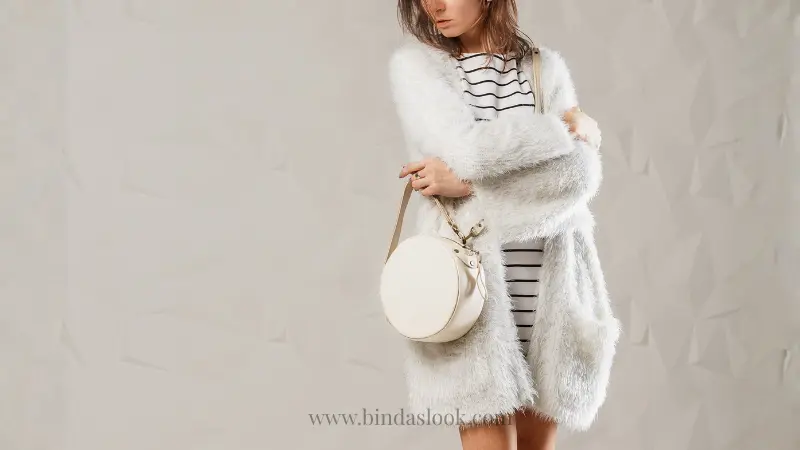
- Tactile Maximalism: A rebellion against minimalist sleekness, embracing rich, multi-sensory textures. Expect exaggerated knits, plush faux furs, intricate embroidery, layered fabrics with contrasting tactile qualities, and garments that invite touch and convey a sense of artisanal craftsmanship.
- The "Curated Comfort" Uniform: An evolution of athleisure and work-from-home wear, moving towards highly personalized, adaptable, and comfort-centric ensembles that defy traditional dress codes. This isn't sloppy loungewear but thoughtfully chosen pieces that prioritize ease without sacrificing sophisticated individuality, often blurring lines between formal and casual.
Distinguishing Micro-Trends from Fads and Macro-Trends
We systematically analyze
Suggested Articles
 General
Crush the 'Eco-Chic is Hard' Myth: 5 Revolutionary Eco-Friendly Outfits for 2026 That Are Surprising
Discover 5 effortlessly stylish and sustainable outfit ideas for 2026 that prove eco-friendly fashion can be both chi...
Read Article arrow_forward General
 General
Metaverse Fashion: 4 Untapped Trends for Digital Style & Profit
Discover 4 untapped metaverse fashion trends set to explode in 2026. Elevate your digital style, uncover virtual fash...
Read Article arrow_forward General
Tech-Driven Style: Innovation Redefining Fashion Trends 2026
Discover how AI, AR/VR, and smart textiles are revolutionizing fashion design, production, and consumer experience, s...
Read Article arrow_forward