

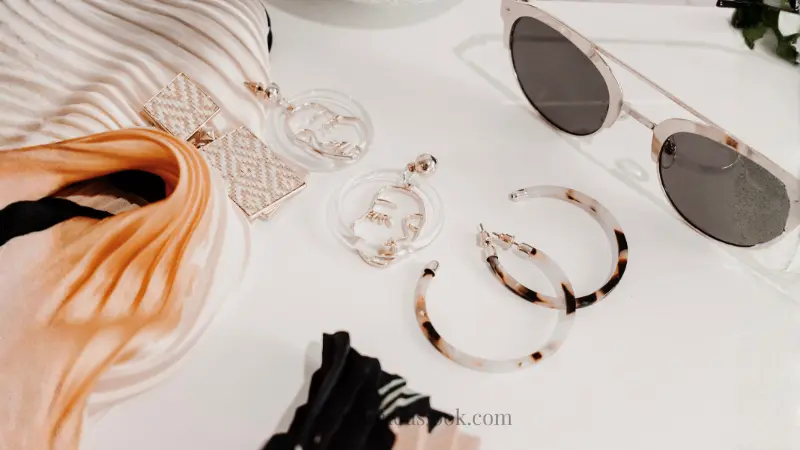
The Evolving Landscape of Fashion: More Than Just Clothes
Fashion, at its core, has always been a mirror reflecting society's values, anxieties, aspirations, and technological advancements. As we look towards 2026, this dynamic relationship is accelerating, driven by profound cultural shifts that are fundamentally reshaping how we design, consume, and perceive clothing. The era of fleeting trends dictated solely by runways is giving way to a more nuanced, purpose-driven approach, where personal identity, ethical considerations, and a global consciousness take center stage. Understanding these underlying currents is crucial not just for designers and industry insiders, but for anyone keen to grasp the future trajectory of style and its broader impact.
The year 2026 promises a mature articulation of trends that are already germinating today. These aren't just aesthetic preferences; they are embedded in the deeper cultural shifts concerning our planet, our digital lives, our collective identities, and our interconnected world. By decoding these foundational shifts, we gain insight into the styles that will not only dominate wardrobes but also tell the story of a transformed society.
Sustainability as the New Luxury and Ethical Imperative
No cultural shift is more impactful on the future of fashion than the urgent demand for sustainability. By 2026, what constitutes ‘luxury’ will have fundamentally transformed, moving beyond mere material opulence to encompass ethical sourcing, environmental stewardship, and longevity. Consumers are increasingly discerning, seeking transparency and accountability from brands. This isn't just about reducing harm; it's about actively contributing to a regenerative system.
Circular Fashion and Upcycling at the Forefront
The linear model of 'take-make-dispose' is rapidly becoming obsolete. Circular fashion, which prioritizes design for longevity, repair, reuse, and recycling, will be a dominant paradigm. Upcycling and remanufacturing will move from niche practices to mainstream production methods, with brands investing heavily in technologies and supply chains that support these principles. Consumers will value the unique story and reduced environmental footprint of upcycled garments, leading to a surge in demand for bespoke and limited-edition pieces crafted from existing materials. This approach not only minimizes waste but also fosters creativity and distinctiveness in design.
Eco-conscious Materials and Responsible Production
Innovations in sustainable materials will accelerate, offering viable alternatives to conventional fabrics. Expect a wider adoption of bio-based textiles (e.g., mushroom leather, algae-derived fibers), recycled synthetics (from ocean plastic), and regenerative natural fibers (organic cotton, hemp, linen grown with minimal environmental impact). Production processes will emphasize reduced water usage, non-toxic dyes, and fair labor practices. Brands that genuinely embed these values into their DNA will build deeper trust and loyalty with a sophisticated, ethically-minded consumer base.
Consumer Demand for Transparency and Traceability
The era of opaque supply chains is ending. By 2026, consumers will expect full transparency, demanding to know the origin of materials, the conditions under which garments were made, and the environmental impact of their purchases. Blockchain technology and digital product passports will become standard tools for brands to provide verifiable information, empowering consumers to make informed choices. This demand for accountability will push brands to innovate not just in design, but in every facet of their operation, establishing a new benchmark for corporate responsibility in the fashion industry.
Technology's Embrace: Digital Fashion and AI Integration
The digital realm is no longer separate from our physical reality; it's an integrated extension, profoundly influencing fashion. Technology is not just changing how we produce clothes but how we interact with them, perceive them, and even wear them in virtual spaces.
Metaverse Fashion and Digital Identities
The metaverse, while still evolving, will offer a significant playground for fashion by 2026. Digital-only fashion will proliferate, allowing users to express their identity in virtual worlds without physical constraints. Brands will launch exclusive NFT collections, virtual try-on experiences, and immersive digital showrooms. This opens up new revenue streams and creative avenues, decoupling fashion from physical limitations and offering unparalleled opportunities for self-expression. Expect digital garments to hold significant social currency in online communities, blurring the lines between physical and virtual wardrobes. For more insights across various fashion posts, explore our extensive archives on emerging trends.
AI in Design, Personalization, and Supply Chain
Artificial intelligence will become an indispensable tool throughout the fashion lifecycle. AI algorithms will assist designers in trend forecasting, pattern generation, and material optimization, accelerating the creative process. For consumers, AI-powered personalization will deliver highly tailored recommendations, bespoke sizing, and even co-creation opportunities, making every shopping experience uniquely fitted to individual preferences. Furthermore, AI will revolutionize supply chains by optimizing inventory, reducing waste, and improving logistics, leading to more efficient and responsive production cycles.
Wearable Tech and Smart Textiles
The integration of technology into physical garments will continue to advance. By 2026, smart textiles capable of monitoring vital signs, regulating temperature, or even changing color based on mood or environment will be more accessible. Functionality will merge seamlessly with aesthetics, making wearable tech less about bulky gadgets and more about integrated, stylish solutions that enhance daily life. From self-cleaning fabrics to garments that harvest kinetic energy, the boundaries between clothing and technology will increasingly dissolve.
Inclusivity and Diversity Redefining Beauty Standards
The push for inclusivity and diversity is a powerful cultural force dismantling traditional, narrow beauty ideals. Fashion in 2026 will be defined by its embrace of all body types, genders, ages, and cultural backgrounds, moving towards a truly representative and celebratory vision of humanity.
Gender-Fluid and Adaptive Fashion Taking Center Stage
Gender-fluid designs, moving beyond traditional binaries, will become standard, with collections designed for versatility across identities. Silhouettes, cuts, and styling will emphasize individual expression rather than prescribed gender norms. Simultaneously, adaptive fashion—designed for individuals with disabilities—will gain significant traction. This involves thoughtful design considerations for ease of dressing, comfort, and accessibility, ensuring that style is truly available to everyone. Brands recognizing these needs will not only tap into underserved markets but also demonstrate a commitment to universal design principles.
Cultural Appreciation vs. Appropriation
As global influences become more pronounced, the distinction between cultural appreciation and appropriation will be paramount. Brands will be expected to engage in respectful collaborations, giving credit and compensation where due, and genuinely understanding the origins and significance of cultural motifs. This means moving beyond superficial borrowing to fostering authentic partnerships that celebrate diverse heritages responsibly. Consumers, increasingly educated and vocal, will hold brands accountable for ethical cultural engagement.
Body Positivity and Size Inclusivity as Non-Negotiables
The unrealistic body standards propagated by media are being challenged. By 2026, body positivity will be deeply embedded in fashion, with brands offering extensive size ranges as a standard, not an afterthought. Marketing campaigns will feature diverse body types, embracing authenticity over idealized perfection. This shift not only democratizes fashion but also promotes healthier self-image and greater consumer identification with brands that reflect the real world.
Global Crossroads: Blending Influences and Local Authenticity
Our interconnected world means fashion trends are no longer dictated by a few major capitals. Instead, a vibrant cross-pollination of global influences, combined with a renewed appreciation for local authenticity, will characterize the style landscape of 2026.
East Meets West: Cross-Cultural Inspirations
Designers will increasingly draw inspiration from a kaleidoscope of global cultures, blending traditional aesthetics with contemporary forms. Expect intricate embroideries from South Asia, bold prints from Africa, minimalist sensibilities from East Asia, and artisanal techniques from Latin America to converge in unexpected and harmonious ways. This fusion creates a richer, more diverse visual language in fashion, celebrating the beauty of cultural exchange. However, this must always be approached with the aforementioned sensitivity to cultural appreciation.
The Rise of Niche and Indigenous Aesthetics
While global influences expand, there's a counter-trend towards hyper-localization and the celebration of niche, indigenous aesthetics. Consumers are seeking unique, handcrafted pieces that tell a story and support local communities. This fosters a marketplace for artisanal craftsmanship and traditional techniques that might have otherwise faded. Small, independent brands with strong ties to their cultural heritage will gain prominence, offering alternatives to mass-produced uniformity.
Hyper-Localization in a Globalized World
Even major brands will adopt strategies of hyper-localization, tailoring collections and marketing efforts to specific regional tastes and cultural nuances. This acknowledges that while global trends exist, their interpretation varies wildly across different locales. Understanding and respecting these local expressions of style will be key to resonance and success in a globalized yet diverse fashion ecosystem.
Comfort, Utility, and the Blurring Lines of Formality
The way we live and work has fundamentally shifted, with remote work and flexible lifestyles becoming more common. This has had a profound impact on dress codes, pushing comfort and utility to the forefront, while blurring the traditional boundaries of formality.
Elevated Loungewear and Athleisure's Evolution
Loungewear will continue its evolution from casual home attire to refined, versatile pieces suitable for a range of activities. Expect luxurious fabrics, sophisticated cuts, and thoughtful details that elevate comfort without sacrificing style. Athleisure, too, will mature, integrating performance wear with high fashion aesthetics, suitable for both active pursuits and social engagements. The demand is for garments that can transition effortlessly from one context to another, offering both ease and elegance.
Practicality Meets High Fashion
Functionality will no longer be relegated to utilitarian clothing. Pockets, durable fabrics, adjustable features, and modular designs will appear in high-fashion collections, demonstrating a commitment to practical wearability. Multi-functional garments that can be styled in various ways or adapted for different weather conditions will appeal to a consumer base that values smart, efficient wardrobes.
Hybrid Dress Codes and Versatile Wardrobes
The traditional suit and tie, or formal gown, will continue to exist but will be joined by a spectrum of hybrid dress codes. Smart casual will become even smarter and more diverse, with tailored pieces mixed with comfortable separates. Consumers will invest in versatile core pieces that can be dressed up or down, minimizing redundant items and maximizing wardrobe efficiency. The emphasis is on building a cohesive, adaptable wardrobe that reflects a dynamic lifestyle.
The Psychology of Style in 2026: Expression and Identity
Beyond the tangible aspects of materials and cuts, fashion in 2026 will be a powerful tool for psychological expression. As societies navigate rapid change, individuals will increasingly turn to style as a means of communication, empowerment, and establishing identity in a complex world.
Personal narrative will drive fashion choices more than ever. What one wears will reflect not just current trends, but deeply held values, social stances, and personal journeys. Fashion will serve as a visual autobiography, allowing individuals to project who they are, who they aspire to be, and what they believe in. This heightened sense of personal agency in dressing underscores a shift from passive consumption to active, intentional styling. Clothes will be conversation starters, a non-verbal language articulating one's place and perspective within the broader cultural landscape.
Navigating the Future of Fashion: A Holistic Approach
The fashion landscape of 2026 will be a rich tapestry woven from the threads of these profound cultural shifts. Sustainability will cease to be an option and become a fundamental pillar, driving innovation from materials to supply chains. Technology will not merely enhance but redefine how we create and experience fashion, opening up boundless digital realms for expression.
Inclusivity will ensure that fashion truly reflects and serves the diversity of humanity, breaking down outdated barriers. Global influences, balanced with local authenticity, will foster a vibrant, cross-cultural aesthetic. And finally, the enduring quest for comfort and practicality will reshape our wardrobes into highly functional, versatile collections that complement modern lifestyles.
Ultimately, 2026 fashion will be more than just aesthetically pleasing; it will be purposeful, technologically advanced, ethically sound, and deeply personal. It will be a dynamic reflection of a world actively striving for greater consciousness, connectivity, and authentic self-expression. Brands and consumers alike who embrace these shifts will be at the forefront of a truly transformative era in style.
Suggested Articles
 General
Your Style Roadmap: Top Fashion Trends of 2026
Discover the definitive guide to 2026's hottest fashion trends. Learn how to integrate key styles into your wardrobe ...
Read Article arrow_forward
General
 General
 General
Crush the 'Eco-Chic is Hard' Myth: 5 Revolutionary Eco-Friendly Outfits for 2026 That Are Surprising
Discover 5 effortlessly stylish and sustainable outfit ideas for 2026 that prove eco-friendly fashion can be both chi...
Read Article arrow_forward