

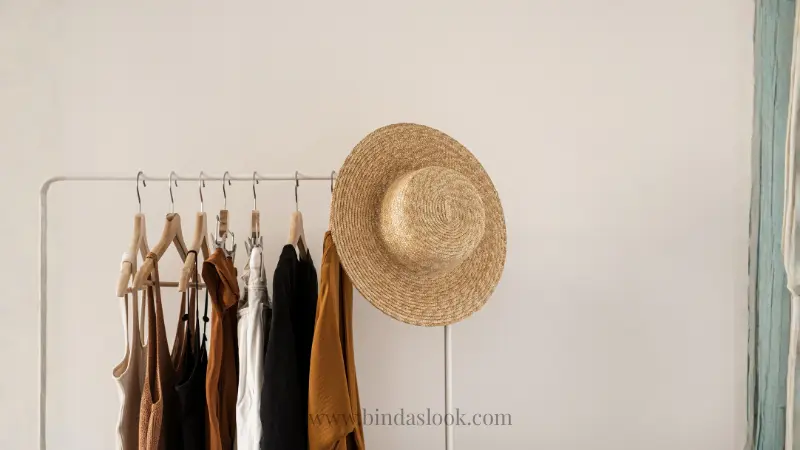
Decoding the Aesthetic Future: Color Palettes & Fabrics of 2026 Fashion
As the fashion world perpetually spins forward, anticipating the next wave of style, 2026 emerges as a pivotal year defined by a profound convergence of sustainability, technological advancement, and a renewed emphasis on personal expression. The fundamental building blocks of this future aesthetic—color palettes and fabrics—are undergoing a transformative shift, reflecting global consciousness and evolving consumer demands. Understanding these core elements is not merely about predicting what will be 'in style'; it's about grasping the socio-cultural undercurrents that dictate how we will dress, feel, and interact with our wardrobes. For a comprehensive overview of the broader landscape, refer to The Definitive Guide to Fashion Trends 2026: What's In & Out, which provides a macro perspective on the forces at play.
In 2026, color ceases to be a mere decorative choice; it becomes a language, conveying moods, values, and aspirations. Similarly, fabrics are no longer just about drape and texture but about their provenance, environmental footprint, and functional capabilities. This article delves deep into the dominant hues and innovative textiles set to define wardrobes, runways, and street style alike, offering an authoritative glimpse into tomorrow's fashion landscape.
The Prevailing Spirit: Macro Influences on 2026 Fashion
Before dissecting specific trends, it's crucial to acknowledge the overarching forces shaping 2026 fashion. A heightened sense of environmental responsibility continues to drive innovation, pushing designers and manufacturers towards more sustainable practices. The digital realm, with its expanding influence from virtual fashion to metaverse aesthetics, introduces new visual vocabularies and interactive possibilities. Moreover, a collective yearning for comfort, authenticity, and individuality ensures that clothing must not only look good but also feel good and genuinely reflect the wearer's identity.
Sustainability as the Guiding Principle
The imperative for sustainability is no longer a niche concern but a foundational pillar of the fashion industry. This translates directly into choices regarding materials and production processes. Consumers are increasingly scrutinizing brands for their ethical credentials, driving demand for transparency and eco-conscious alternatives. This commitment manifests in the rise of recycled, upcycled, and bio-based fabrics, alongside a preference for natural dyes and closed-loop manufacturing systems.
Digitalization and Metaverse Aesthetics
The digital revolution continues to accelerate, with virtual fashion and the metaverse offering new frontiers for design and self-expression. This influence is trickling into physical fashion through iridescent finishes, hyper-real textures, and color palettes that seem to glow with an otherworldly luminescence. Expect to see designs that bridge the gap between digital fantasy and wearable reality, pushing the boundaries of traditional garment construction.
Wellness, Comfort, and Authenticity
The post-pandemic era has solidified a universal desire for clothing that prioritizes comfort without sacrificing style. This emphasis on well-being intertwines with a broader movement towards authenticity, where personal style triumphs over fleeting trends. Fabrics that offer softness, breathability, and flexibility, combined with versatile silhouettes, will dominate, allowing individuals to move through their lives with ease and confidence.
Color Palettes: A Spectrum of Emotion and Intent
In 2026, color palettes tell complex stories, oscillating between grounding tranquility and electrifying optimism. Designers are exploring harmonies and contrasts that speak to a multifaceted world.
1. Serene & Earth-Connected Tones
Drawing inspiration from the natural world, this palette offers a sense of calm and stability. These colors reflect a yearning for connection to the environment and a desire for peaceful introspection.
- Deep Forest Greens: Rich and saturated, reminiscent of ancient woodlands, symbolizing growth and renewal.
- Oceanic Blues: From tranquil aquamarines to profound navy, evoking the vastness and mystery of the sea.
- Mineral Greys & Stones: Varied shades of grey with subtle undertones, offering a sophisticated and versatile neutral base.
- Warm Terracottas & Sands: Earthy reds and dusty oranges, reflecting sun-baked landscapes and natural textures.
These hues often appear in monochromatic looks or in harmonious combinations, emphasizing natural beauty and a relaxed elegance. They are perfect for creating wardrobes that feel both timeless and deeply contemporary.
2. Vibrant & Optimistic Hues
Counterbalancing the serene, a surge of vibrant, mood-boosting colors injects energy and playfulness into 2026 fashion. This palette speaks to resilience, joy, and a desire for self-expression that commands attention.
- Electric Fuchsia: Bold, confident, and unapologetically feminine, often seen in statement pieces or as an accent.
- Luminous Yellows: Ranging from bright lemon to deeper marigold, symbolizing optimism, creativity, and warmth.
- Zesty Oranges: Energetic and spirited, perfect for adding a pop of color that exudes confidence.
- Ultraviolet & Periwinkle: Evoking a sense of fantasy and futurism, these purples blend digital vibrancy with ethereal charm.
These vivid shades are employed both in bold, head-to-toe ensembles and in striking color-blocking techniques, providing a powerful visual impact. They signify a departure from caution, embracing a more expressive and joyful approach to dressing.
3. Digital & Iridescent Shades
The influence of the digital realm introduces a palette that blurs the lines between virtual and physical. These colors possess an almost liquid quality, shifting and shimmering with movement.
- Cyber Greens & Blues: Highly saturated, often with a subtle glow, reminiscent of screen displays and artificial light.
- Iridescent Metallics: Finishes that shift colors depending on the light, from subtle sheens to full-spectrum holographic effects.
- Translucent Pastels: Soft, airy shades that appear almost transparent, playing with light and layering.
These colors are not just about hue but also about texture and light interaction, creating a dynamic and futuristic aesthetic that challenges traditional color theory. They embody the innovation seen across broader trends, as highlighted in Your 2026 Style Guide: Mastering Future Fashion Trends.
4. Reimagined Neutrals & Elevated Staples
Neutrals remain a cornerstone of any wardrobe, but for 2026, they are reimagined with sophistication and depth. These aren't just basic colors; they are foundations for thoughtful layering and refined simplicity.
- Greige & Oatmeal: The perfect blend of grey and beige, offering warmth and versatility.
- Deep Charcoals & Anthracites: More nuanced than pure black, providing a softer yet equally powerful alternative.
- Off-Whites & Creams: Moving beyond stark white, these shades add softness and richness, ideal for textural exploration.
- Camel & Toffee: Classic warm browns that exude timeless elegance and understated luxury.
These elevated neutrals serve as the perfect canvas for experimenting with volume, texture, and unexpected accessories, embodying a quiet luxury that speaks volumes through quality and cut.
Fabric Innovations: The Tactile & Technological Future
Fabrics in 2026 are a testament to human ingenuity, balancing environmental consciousness with performance and aesthetic appeal. The focus is on materials that tell a story, whether of their origins, their technological prowess, or their sensual feel.
1. Sustainable & Regenerative Materials
The push for eco-friendly textiles is paramount, leading to significant advancements in sustainable fabric production.
- Recycled & Upcycled Textiles: Materials derived from post-consumer waste, such as recycled polyester from plastic bottles or regenerated nylon from fishing nets, continue to gain traction. Upcycled fabrics, created from discarded garments or textile scraps, offer unique, one-of-a-kind textures.
- Bio-Based & Plant-Derived Fabrics: Innovations like textiles made from pineapple leaves (Piñatex), mushroom mycelium (Mylo), seaweed, or agricultural waste offer renewable alternatives to traditional fibers. Expect to see these materials integrated into a wider range of garments, from accessories to outerwear.
- Organic & Regenerative Cotton/Linen: A renewed focus on organic cotton grown without harmful pesticides, and linen, known for its low environmental impact and durability, with an emphasis on regenerative farming practices that improve soil health.
- Tencel & Modal: Lyocell and modal fibers, derived from sustainably sourced wood pulp, offer exceptional softness, breathability, and drape, making them staples for comfortable and luxurious everyday wear.
2. Textural Play & Sensory Experience
Beyond visual appeal, the tactile quality of fabrics becomes a key design element, inviting interaction and adding depth to garments. Designers are exploring surfaces that are intriguing to touch and see.
- Exaggerated Weaves & Knits: Chunky knits, intricate jacquards, and basket weaves add dimension and a handcrafted feel. Think oversized sweaters, textured coats, and structured dresses.
- Sheer & Translucent Fabrics: Organza, chiffon, and fine mesh in innovative blends create ethereal layers and playful reveals, often used for sophisticated layering or as design details.
- Bouclé & Terry: Fabrics with a looped or knotted surface provide a comforting, almost nostalgic texture, perfect for relaxed yet luxurious loungewear and soft tailoring.
- Fringe & Feather Details: Adding movement and a tactile flourish, these embellishments appear on hemlines, cuffs, and as all-over textures, creating dynamic silhouettes.
3. Performance & Comfort-Driven Textiles
The integration of athletic wear technology into everyday fashion continues, prioritizing functionality, ease of movement, and climatic adaptability. Emerging Silhouettes: Your Guide to Key Fashion Trends in 2026 often feature these practical yet stylish fabrics.
- Advanced Stretch Fabrics: Innovations in elastane blends and engineered knits provide maximum flexibility and comfort, adapting to the body's movements without compromising shape.
- Moisture-Wicking & Breathable Materials: Fabrics designed to draw moisture away from the body and promote airflow, ensuring comfort in varying conditions, are no longer confined to sportswear.
- Lightweight & Packable Fabrics: Materials that are incredibly light and easily compressible cater to the needs of modern travelers and those seeking versatile, on-the-go wardrobes.
- Temperature-Regulating Textiles: Smart fabrics that adapt to body temperature, offering warmth in cold environments and cooling in heat, are becoming more accessible.
4. Luxe & Elevated Synthetics
While natural fibers are celebrated, technological advancements in synthetic materials allow for luxurious and innovative alternatives that often surpass the performance of their natural counterparts, especially when sustainability is built into their lifecycle.
- Silky Synthetics: High-quality modal, cupro, and specialized polyesters that mimic the drape and sheen of silk, often with improved durability and wrinkle resistance.
- Vegan Leathers & Suedes: Increasingly sophisticated plant-based or lab-grown alternatives to animal leather, offering diverse textures, colors, and ethical production.
- Refined Technical Fabrics: Beyond basic sportswear, technical nylons and polyesters are being reimagined with matte finishes, elegant drapes, and water-resistant properties for sophisticated outerwear and tailored pieces.
The Synergy: How Colors and Fabrics Harmonize in 2026
The true artistry of 2026 fashion lies in the seamless integration of these color palettes and fabric innovations. Serene earth tones will find their perfect canvas in organic cottons, regenerative linens, and textured bouclés, enhancing their grounding appeal. Vibrant hues will shine on iridescent silks, performance stretch fabrics, and sleek, recycled synthetics, amplifying their energetic presence. Digital aesthetics will materialize through translucent overlays, metallic finishes on innovative bio-plastics, and engineered textiles that play with light and shadow.
Consider a forest green made from recycled wool, offering both environmental responsibility and luxurious texture. Or an electric fuchsia dress crafted from a silky, plant-based vegan leather, combining bold color with ethical innovation. The interplay is dynamic, creating garments that are not only visually striking but also deeply considered in their construction and impact.
Embracing the Future: Practical Applications for 2026 Style
For designers, the challenge and opportunity lie in mastering these new material and color vocabularies to create collections that resonate with contemporary values. This means prioritizing responsible sourcing, investing in textile innovation, and designing with longevity and versatility in mind.
For consumers, 2026 offers an exciting invitation to experiment with personal style. Integrating these trends doesn't require a complete wardrobe overhaul. Instead, focus on key pieces:
- Invest in a statement piece in one of the vibrant, optimistic hues, perhaps a well-tailored blazer or an accessory made from a sustainable fabric.
- Embrace textural layering with pieces like a chunky knit made from recycled fibers over a silky bio-based slip dress.
- Explore the power of refined neutrals in elevated materials, forming the foundation of a versatile and timeless wardrobe.
- Seek out brands committed to transparency and ethical production, aligning your style choices with your values.
Ultimately, 2026 fashion is about thoughtful consumption and expressive dressing. It encourages us to consider not just what we wear, but how it's made and the story it tells.
Conclusion: A Harmonious Blend of Innovation and Intention
The fashion landscape of 2026 is poised to be a harmonious blend of profound innovation and conscious intention. The dominant color palettes—from serene earth tones and optimistic brights to ethereal digital shades and refined neutrals—offer a rich spectrum for self-expression. These hues are brought to life through a compelling array of fabrics: eco-conscious materials, performance-driven textiles, and those that celebrate texture and sensory appeal. Together, these elements form a narrative of a fashion industry that is increasingly responsible, technologically advanced, and deeply attuned to the human desire for comfort, authenticity, and beauty. Embracing these trends means stepping into a future where style is inextricably linked to sustainability and meaningful design, creating a wardrobe that is both aesthetically pleasing and ethically sound for the years to come.
Suggested Articles
 General
Conscious Consumer's Guide to Fashion Trends 2026
Navigate 2026 fashion trends with a values-driven approach. Discover sustainable styles, ethical brands, and mindful ...
Read Article arrow_forward
General
 General
Beyond Greenwashing: 7 Truly Sustainable Fashion Brands Dominating 2026 (Your Ethical Shopping Guide
Discover 7 genuinely sustainable fashion brands that are leading the way in 2026. This ethical shopping guide helps y...
Read Article arrow_forward General
Unveiling 2026: Unexpected Trends Dominating Your Wardrobe
Explore the surprising fashion trends of 2026, from elevated utility to digital embellishments and hyper-personalizat...
Read Article arrow_forward