

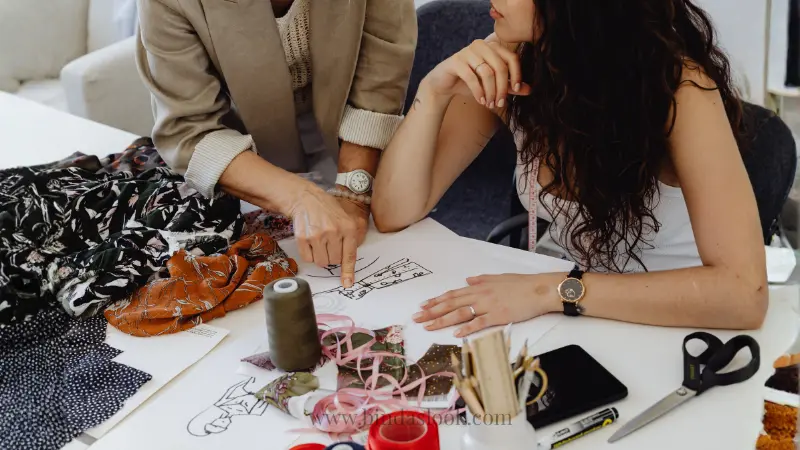
The Dawn of Disruption: Unveiling Unconventional Fashion in 2026
The fashion landscape of 2026 is rapidly evolving, pushing the boundaries far beyond traditional aesthetics and conventional norms. As we navigate a world shaped by rapid technological advancements, heightened environmental consciousness, and a profound re-evaluation of identity, the clothes we wear are transforming into powerful statements of innovation, adaptability, and personal expression. This year marks a significant departure from mere seasonal updates, ushering in an era where design principles are radically rethought, materials are engineered for a purpose greater than appearance, and the very concept of 'dressing' transcends the physical.
No longer confined to the runways of Paris or Milan, these unconventional fashion trends are bubbling up from digital realms, scientific laboratories, and grassroots movements, challenging designers and consumers alike to embrace novelty. We are witnessing a blend of audacious creativity with pragmatic functionality, a future where clothing is not just worn but experienced, interacted with, and even contributes to a more sustainable planet. From garments that exist primarily in the metaverse to bio-engineered textiles that heal, 2026 is poised to redefine our sartorial vocabulary. Understanding these shifts requires an exploration into their core philosophies, the technologies enabling them, and their potential to reshape our perception of style.
Hyper-Personalized Digital Fashion & Phygital Experiences
One of the most profound unconventional shifts in 2026 is the surge of hyper-personalized digital fashion. The metaverse, augmented reality (AR), and non-fungible tokens (NFTs) are no longer niche concepts; they are integral to how we perceive and consume fashion. Digital garments, often designed with intricate details impossible in the physical world, allow for unprecedented self-expression in virtual spaces. Brands are investing heavily in creating bespoke digital wardrobes, enabling individuals to adorn their avatars with unique, often limited-edition, virtual couture that mirrors, complements, or even wildly diverges from their physical style.
The Rise of 'Phygital' Apparel
The 'phygital' trend, a fusion of physical and digital, blurs the lines between our online and offline identities. This manifests in several ways: purchasing a physical garment that comes with its digital twin, unlocking AR filters that allow wearers to 'try on' virtual accessories in real-time, or even garments embedded with QR codes that link to unique digital experiences or ownership certificates. This synergy allows for a richer, more interactive relationship with clothing, extending its lifespan and versatility across multiple dimensions. It's about owning a piece that exists everywhere you do, both in bytes and in stitches, pushing the boundaries of what fashion ownership truly means in the 21st century.
Neo-Ecological & Bio-Integrated Textiles: Beyond Sustainability
Sustainability has evolved from a buzzword to a fundamental design principle, and in 2026, it takes an unconventional leap into neo-ecological and bio-integrated textiles. This trend moves beyond simply using recycled materials to actively growing fabrics, harnessing biological processes, and designing garments with an inherent lifecycle that regenerates or nourishes the environment. It's a holistic approach that seeks to integrate fashion seamlessly into ecological systems, creating a truly circular economy.
Mycelium, Algae, and Lab-Grown Wonders
- Mycelium Leather: Derived from fungi, this innovative material offers a luxurious, durable, and biodegradable alternative to traditional leather, reducing reliance on animal products and petrochemicals.
- Algae-Based Dyes & Fabrics: Utilized for vibrant, non-toxic coloration, algae are also being developed into textile fibers, offering a renewable resource that can even sequester carbon during its growth.
- Lab-Grown Silk & Spider Silk: Biotechnological advancements allow for the creation of identical or superior versions of natural fibers in controlled environments, minimizing land use, water consumption, and ethical concerns associated with traditional production. These materials boast incredible strength and versatility.
These bio-integrated textiles are not just about being 'less bad'; they represent a paradigm shift towards fashion that is actively 'good' for the planet, demonstrating a deep respect for natural cycles and innovative scientific solutions. The focus is on materials that decompose harmlessly, enrich soil, or are endlessly recyclable, making every garment a part of a larger, regenerative system.
Reimagined Gender Fluidity & Androgyny: Deconstructing Definitions
While gender-neutral fashion has gained traction, 2026 pushes this concept into truly unconventional territory, deconstructing traditional gender definitions within clothing to create pieces that transcend binary interpretations entirely. This isn't just about sharing a shirt; it's about designing garments that defy conventional masculine or feminine silhouettes, drapes, and details, allowing the wearer to define their own expression without preconceived notions.
Fluid Silhouettes and Adaptive Design
- Deconstructed Tailoring: Traditional suits are reimagined with oversized, flowing jackets, uncinched waists, and wide-leg trousers that obscure typical body shapes, allowing for a broader interpretation of formal wear.
- Transformative & Modular Garments: Pieces that can be worn in multiple ways, adapting to different body types and stylistic preferences through adjustable elements, removable sections, or innovative fastenings. Think capes that become skirts, or jackets that convert into bags.
- Palette & Texture Nuances: Moving beyond typical 'masculine' or 'feminine' color palettes and textures, designers embrace a spectrum of hues and tactile experiences that appeal universally, fostering individuality over categorization.
This trend champions individuality and liberation from societal sartorial constraints, promoting clothing as a personal canvas rather than a marker of identity. It's about creating a wardrobe where clothing truly fits the person, rather than forcing the person to fit the clothing.
Extreme Utility & 'Techwear-Core': Fashion Meets Function
The concept of utility in fashion takes an extreme, unconventional turn in 2026, evolving into 'techwear-core' – a style where hyper-functionality, resilience, and smart integration are paramount. These garments are engineered not just for aesthetics but for optimal performance in diverse, often challenging, environments. This trend is inspired by outdoor gear, military apparel, and scientific uniforms, but elevated with advanced materials and integrated technology for everyday wear.
Smart Fabrics and Modular Systems
- Climate-Adaptive Materials: Fabrics that respond to temperature changes, offering cooling in heat and insulation in cold, or even actively wicking moisture to regulate body temperature.
- Integrated Health Tech: Garments with embedded sensors that monitor vital signs, track fitness, or even administer medication, blurring the line between clothing and wearable technology.
- Modular & Convertible Designs: Pieces designed with detachable components, multiple pockets, hidden compartments, and adjustable features that allow the wearer to customize their outfit for different needs and situations. Functionality is key, with every element serving a purpose.
This trend is about preparedness, efficiency, and a sleek, almost futuristic aesthetic. It speaks to a desire for clothing that empowers the wearer, providing practical advantages without compromising on cutting-edge style. The emphasis is on durability, versatility, and the seamless integration of technology into the fabric of daily life.
Nostalgic Futurism & Maximalist Minimalism: A Contradictory Cohesion
Perhaps one of the most intriguing and unconventional trends of 2026 is the paradoxical blend of nostalgic futurism with maximalist minimalism. This isn't about simple vintage revival or stark modernism, but a sophisticated interplay where historical silhouettes and aesthetics are reinterpreted through a futuristic lens, often with a 'more is more' approach to curated eclecticism, yet executed with an underlying sense of refined precision.
Curated Complexity and Retro-Futuristic Silhouettes
- Digital Age Retro: Think 80s arcade aesthetics or early internet graphics translated into contemporary prints, textures, and accessories, combined with sleek, avant-garde cuts.
- Artisanal Tech-Craft: Handcrafted details and traditional techniques are fused with advanced materials and manufacturing processes. An embroidered gown might feature integrated LED elements, or a hand-knitted sweater could incorporate smart fibers.
- Exaggerated Proportions with Clean Lines: Voluminous sleeves, dramatic capes, or wide-leg trousers might be paired with minimalist color palettes and unadorned finishes, creating a statement through shape rather than excessive embellishment.
This trend embraces a sense of playful contradiction, where the past informs a bold vision of the future, and abundance is expressed through thoughtful curation rather than chaotic excess. It’s a celebration of individual storytelling through fashion, where each piece carries a narrative that bridges eras and styles, reflecting a sophisticated understanding of design evolution.
The Driving Forces Behind Unconventionality in 2026
These groundbreaking fashion movements aren't arbitrary; they are deeply rooted in the broader socio-cultural, technological, and environmental shifts defining our contemporary world. The desire for authenticity and individuality, particularly among younger generations, fuels the rejection of mass-produced, conventional aesthetics. Economic uncertainties push for garments that offer versatility and longevity, challenging the fast-fashion cycle. Moreover, the increasing global awareness of climate change and ethical production practices mandates sustainable and innovative material solutions.
Technological advancements, especially in AI, AR, and material science, empower designers with new tools for creation and customization, opening up realms of possibility previously unimaginable. The fluidity of identity, from gender expression to digital personas, demands a wardrobe that is equally adaptable and expressive. As consumers become more informed and empowered, they seek not just clothing, but experiences, statements, and solutions from their fashion choices. To delve deeper into specific emerging styles and explore a wider array of insightful fashion posts, we invite you to browse our comprehensive collection of articles and trend analyses.
Navigating the New Fashion Landscape
Embracing these unconventional fashion trends in 2026 means adopting a mindset of openness and experimentation. It's about understanding that fashion is no longer a rigid set of rules but a dynamic, ever-evolving dialogue between wearer and world. Designers are becoming more akin to innovators and scientists, pushing the limits of what fabric can do and how clothing can interact with our lives. For consumers, it means rethinking investment pieces – perhaps a digital skin for your avatar holds as much value as a physical coat. It encourages a more thoughtful approach to consumption, prioritizing ethical sourcing, innovative materials, and designs that truly resonate with personal values.
The future of fashion is undeniably exciting and transformative. It challenges us to look beyond the surface, to appreciate the intricate blend of art, science, and philosophy that defines our sartorial choices. As these unconventional trends continue to make waves, they pave the way for a more expressive, sustainable, and technologically integrated approach to dressing, forever altering the fabric of our style narratives.
Suggested Articles
 General
Fashion Forward: What Will We Really Wear in 2026?
Explore the future of fashion! We dive into the styles, fabrics, and trends predicted to dominate wardrobes in 2026. ...
Read Article arrow_forward
General
Financial Freedom & Flawless Style: Build Your 2026 Capsule Wardrobe for Under $500
Discover how to create a versatile and chic capsule wardrobe for 2026 without breaking the bank. Learn smart shopping...
Read Article arrow_forward General
The Grand Evolution: Lifestyle Shifts & Fashion Trends 2026
Explore how global lifestyle shifts — from sustainability to digital integration and wellness — are profoundly shapin...
Read Article arrow_forward
Styling tips
90s Fashion Guide 2026: Styling Retro Trends
Dive into the definitive guide for 90s fashion in 2026, exploring how iconic retro trends are making a major comeback...
Read Article arrow_forward