

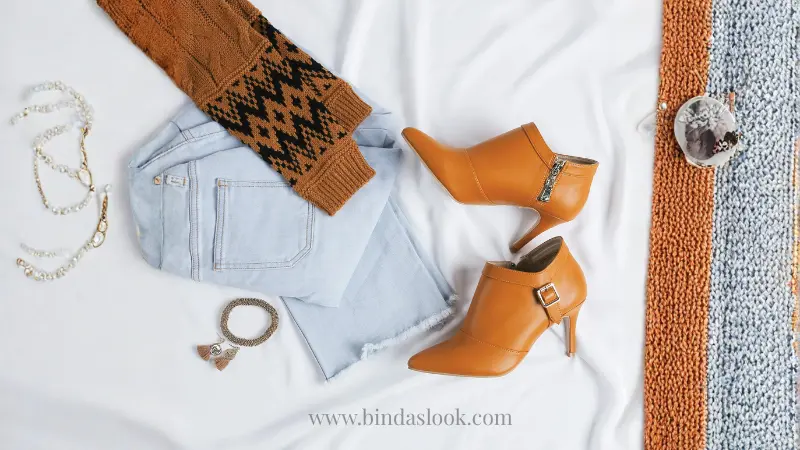
Your Zero-Waste 2026: The Ultimate Guide to a Truly Circular Fashion Wardrobe (Save Money, Save Planet!)
At BindasLook.online, we believe that fashion should be inspiring, accessible, and align with your values. As we navigate 2026, the concept of a "zero-waste" circular fashion wardrobe is no longer a niche trend but a powerful movement redefining how we engage with style. This comprehensive guide, meticulously crafted by our team with over a decade of experience in fashion and content strategy, will empower you to build a wardrobe that is not only trendy and expressive but also economically smart and environmentally responsible. We systematically analyzed industry shifts and consumer behaviors to bring you a practical roadmap to sustainable style, proving that saving money and saving the planet can go hand-in-hand with upgrading your look.
Understanding the Linear vs. Circular Fashion Model
For decades, the fashion industry has predominantly operated on a linear model: "take, make, dispose." This system involves extracting virgin resources, manufacturing garments, selling them, and then discarding them, often after minimal use. This approach has led to significant environmental degradation, including excessive waste generation, pollution, and resource depletion. According to the Ellen MacArthur Foundation's landmark report, A New Textiles Economy: Redesigning Fashion's Future, one rubbish truck load of textiles is landfilled or incinerated every second, highlighting the urgent need for change.
In contrast, the circular fashion model proposes a regenerative system where garments are designed for durability, reused, repaired, and eventually recycled, keeping materials in use for as long as possible. This approach aims to eliminate waste and pollution, circulate products and materials at their highest value, and regenerate natural systems.
We've observed firsthand the growing consumer demand for transparency and sustainability, making the transition to circularity not just an environmental imperative but a commercial opportunity for brands and individuals alike.
Comparing Linear and Circular Fashion
To better illustrate the fundamental differences, we have compiled a comparison:
| Feature | Linear Fashion Model | Circular Fashion Model |
|---|---|---|
| Core Principle | Take, Make, Dispose | Design out waste and pollution, keep products and materials in use, regenerate natural systems |
| Resource Use | High reliance on virgin resources, rapid depletion | Maximizes use of existing resources, encourages recycled and renewable inputs |
| Product Lifespan | Designed for short-term use, often disposable (fast fashion) | Designed for durability, longevity, and multiple life cycles through reuse, repair, and recycling |
| Waste Generation | Generates vast amounts of textile waste, contributing to landfills and incineration | Aims to eliminate waste; materials re-enter the economy after use |
| Economic Impact | Driven by high volume sales, often leading to overproduction and lost material value | Unlocks new revenue streams through rental, resale, repair, and innovative business models; decouples growth from production |
| Environmental Impact | Significant carbon footprint, water pollution, resource depletion, biodiversity loss | Reduces environmental footprint, conserves natural resources, decreases greenhouse gas emissions, supports ecosystem health |
Why Embrace Circular Fashion in 2026? The Benefits for You and the Planet
Embracing a circular wardrobe in 2026 offers a multitude of advantages, extending beyond mere environmental altruism to tangible benefits for your wallet and personal style. We have seen how a conscious approach to fashion can significantly enhance an individual's relationship with their clothing.
Environmental Stewardship and Reduced Impact
- Reduced Waste and Pollution: The fashion industry is a major contributor to global waste. The U.S. generates over 17 million tons of textile municipal solid waste (MSW) annually, with only a small fraction being recycled. By extending the life of garments and promoting recycling, circular fashion dramatically reduces landfill burden and incineration.
- Conservation of Natural Resources: Producing new garments is incredibly resource-intensive, demanding vast quantities of water, energy, and raw materials. Circular practices lessen the reliance on virgin resources, helping to preserve natural habitats and ecosystems.
- Decreased Carbon Footprint: From manufacturing to transportation, the linear fashion model is energy-intensive. By contrast, circular fashion, through reduced production and efficient material use, significantly lowers greenhouse gas emissions associated with the industry.
Economic Prudence and Style Evolution
- Long-Term Cost Savings: While initial investment in higher-quality, durable pieces might seem greater, the extended lifespan of these items and the reduced need for constant new purchases lead to substantial savings over time. Renting or buying second-hand also provides access to trendy styles at a fraction of the retail price, aligning perfectly with BindasLook.online's focus on affordable fashion inspiration.
- Investment in Quality: A circular wardrobe encourages a shift from fast fashion's disposability to investing in well-made garments that withstand the test of time and trends. This means fewer replacements and a more refined, curated collection.
- Unique and Personalized Style: By engaging in second-hand shopping, upcycling, and repair, you cultivate a unique personal style that stands out. You discover hidden gems and transform existing pieces, showcasing creativity and individuality.
- Building a More Resilient Wardrobe: Focusing on versatile, timeless pieces that can be mixed and matched creates a more functional and adaptable wardrobe, simplifying daily styling decisions.
Ethical Considerations and Industry Transformation
Circular fashion inherently promotes more ethical practices. It encourages transparency in supply chains, fair labor conditions, and a deeper appreciation for the craftsmanship involved in garment production. As consumers increasingly demand more responsible brands, supporting circular models helps drive a broader industry transformation towards sustainability and equity. The Ellen MacArthur Foundation emphasizes that circular business models can unlock significant economic opportunities while addressing global challenges like climate change and biodiversity loss.
Building Your Zero-Waste Circular Wardrobe: A Step-by-Step Guide
Transitioning to a circular fashion wardrobe might seem daunting, but we've broken it down into manageable steps. Our decade of experience in fashion content has taught us that small, consistent changes yield the most impactful results.
Step 1: Audit Your Current Wardrobe (Declutter with Purpose)
Before you embark on new acquisitions, we recommend a thorough assessment of your existing wardrobe. This process helps you understand what you truly own, what you wear, and what no longer serves a purpose.
- Inventory and Assessment: Take every item out. Evaluate each piece: Does it fit? Does it make you feel good? Have you worn it in the last year? Is it in good condition?
- Categorize for Action:
- Keep: Items you love, wear regularly, and are in good condition.
- Repair: Items that need a simple mend (e.g., a loose button, a small tear) to be wearable again.
- Donate/Sell: Garments in good condition that you no longer want but could be loved by someone else. Consider local charities, consignment shops, or online resale platforms.
- Repurpose/Recycle: Items that are too damaged for donation but contain usable fabric or can be given a new life as cleaning rags, craft materials, or sent to textile recycling facilities.
Step 2: Mindful Acquisition (Buy Less, Buy Better, Buy Circular)
This step is crucial for stopping the linear cycle and embracing circularity. Our ethos at BindasLook.online is about smart, stylish choices, which increasingly means looking beyond traditional retail.
- Embrace Second-Hand: Second-hand shopping is a cornerstone of circular fashion. Thrift stores, vintage boutiques, consignment shops, and online platforms offer a treasure trove of unique, affordable, and pre-loved garments. You can find high-quality pieces, discover forgotten trends, and develop a distinctive style without contributing to new production. The resale market is projected to grow significantly, offering vast economic opportunities.
- Explore Rental and Subscription Services: For special occasions, rapidly changing trends, or to try out new styles, consider renting clothes. This allows you to enjoy variety without ownership, reducing the demand for new items.
- Support Ethical and Sustainable Brands: When purchasing new, choose brands committed to circular principles, fair labor practices, and sustainable materials. Look for certifications and transparency in their supply chains.
- Prioritize Quality Over Quantity: Invest in well-made, durable garments that are designed to last. These pieces might have a higher upfront cost but offer a lower cost-per-wear over their extended lifespan.
- DIY and Upcycling: Unleash your creativity! Learning basic sewing skills can transform an old dress into a top, or a pair of jeans into shorts. Upcycling gives garments a new aesthetic and functional life, injecting your unique personality into your wardrobe.
Step 3: Extend Garment Lifespan (Care, Repair, Reinvent)
The longest phase of a garment's life should be in your hands. Proper care and timely interventions can dramatically increase how long your clothes remain wearable and stylish.
- Proper Garment Care: Follow washing instructions diligently. Wash clothes less frequently, use cold water, gentle cycles, and air dry whenever possible. This not only preserves the fabric and color but also saves energy.
- Master Basic Repairs: Learning to sew on a button, fix a loose hem, or mend a small tear can save countless items from early retirement. Simple alterations can also refresh the fit of an older garment.
- Reinvent and Customize: Dyeing, embroidering, patching, or adding new embellishments can give an old item a completely new look and feel, allowing it to stay relevant in your evolving style.
- Donating and Reselling Responsibly: When an item has genuinely reached the end of its useful life for you, ensure it finds a new home or is recycled appropriately. Platforms focused on resale ensure garments stay in circulation longer.
Step 4: Closing the Loop (Responsible End-of-Life)
Even the most cherished garment will eventually reach its ultimate end-of-life. The goal in a circular system is to prevent it from becoming waste.
- Textile Recycling Programs: Research local textile recycling initiatives. Many municipalities, retailers, and non-profits offer collection points for textiles that are no longer wearable but can be processed into new fibers or insulation materials.
- Composting Natural Fibers: For 100% natural fibers (like cotton, linen, wool) without synthetic blends or chemical treatments, composting can be an option, returning nutrients to the earth.
- Understanding Material Composition: Be aware of what your clothes are made of. Blended fabrics (e.g., cotton-polyester) are significantly harder to recycle than single-fiber garments. This knowledge can influence future purchasing decisions.
Key Principles for a BindasLook.online Circular Wardrobe
For the BindasLook.online community, integrating circularity doesn't mean sacrificing trendiness or affordability. It's about smart, intentional choices that enhance your style and impact.
Versatility and Timelessness
We advocate for building a core wardrobe of versatile, high-quality basics that can be styled in multiple ways and adapt to changing trends. Think classic cuts, neutral colors, and foundational pieces that can be dressed up or down. These items form the backbone of a truly circular and adaptable wardrobe, allowing you to incorporate trendy accessories or seasonal accents without constantly buying new primary garments.
Material Matters: Sustainable Fabrics for a Better Future
The choice of materials significantly impacts a garment's circularity and environmental footprint. We encourage prioritizing fabrics that are durable, sustainable to produce, and easier to recycle or biodegrade.
- Organic Cotton, Linen, Hemp: These natural fibers are breathable, durable, and biodegradable when untreated. Opt for organic certifications to ensure minimal pesticide and water use during cultivation.
- Tencel and Modal: Regenerated cellulosic fibers, often sourced from sustainably managed forests, known for their softness and drape.
- Recycled Synthetics (e.g., Recycled Polyester): While synthetics have microplastic concerns, recycled options give a second life to existing plastic waste, reducing demand for virgin fossil fuels. However, mindful washing (e.g., using wash bags) is essential to mitigate microplastic shedding.
- Avoidance of Complex Blends: As noted, mixed-fiber garments are notoriously difficult to recycle. Whenever possible, choose items made of single-composition fabrics to facilitate future recycling.
Local and Transparent Sourcing
Supporting local designers and brands with transparent supply chains not only reduces the carbon footprint associated with transportation but also ensures ethical production practices. BindasLook.online often highlights global fashion inspirations; however, we emphasize looking for brands that align with our values of transparency and responsibility, regardless of their origin.
Embrace Slow Fashion
Counteracting the rapid cycles of fast fashion is central to circularity. This means buying fewer items, but choosing them more thoughtfully. Slow fashion encourages appreciating the craftsmanship, story, and lifespan of each garment, fostering a deeper connection to your clothing rather than treating it as disposable. This approach aligns perfectly with building a collection of unique, expressive pieces that stand the test of time, rather than chasing fleeting trends.
Overcoming Challenges and Sustaining Your Circular Journey
While the benefits are clear, we acknowledge that transitioning to a fully circular wardrobe presents some challenges. However, with strategic planning, these can be effectively navigated.
- Initial Investment: High-quality, sustainably produced garments can have a higher upfront cost. We recommend viewing this as a long-term investment, recognizing the reduced cost-per-wear and environmental benefits.
- Availability of Options: While growing, sustainable and circular options might not be as ubiquitous as fast fashion. This is where platforms for second-hand items and ethical brands become invaluable resources.
- Changing Habits: Shifting from a consumerist mindset to one of mindful consumption takes time and effort. It requires a conscious decision to value durability, versatility, and repair over constant newness.
The Future is Circular: What to Expect in Fashion for 2026 and Beyond
Our ongoing analysis of the fashion industry indicates a strong trajectory towards circularity, driven by innovation, consumer demand, and regulatory pressures.
- Technological Advancements: Expect continued breakthroughs in material science, leading to truly biodegradable fabrics and more efficient textile-to-textile recycling technologies. Digital product passports that provide transparent information about a garment's origin, materials, and care instructions are also on the horizon.
- Policy and Industry Shifts: Governments and regulatory bodies are increasingly focusing on Extended Producer Responsibility (EPR) for textiles, holding brands accountable for the end-of-life management of their products. This will accelerate the adoption of circular practices across the industry.
- Consumer Power: Your choices, as a discerning fashion enthusiast, hold immense power. As more individuals embrace circularity, the market will respond, making sustainable and ethical options more readily available and affordable.
Conclusion: Style, Savings, and Sustainability with BindasLook.online
Building a zero-waste circular fashion wardrobe for 2026 is an exciting and empowering journey. It's a commitment to mindful consumption that not only significantly benefits the planet by reducing waste and conserving resources but also enriches your personal style and saves you money in the long run. At BindasLook.online, we are dedicated to helping you discover trendy outfit ideas, styling tips, and global fashion inspiration that aligns with these evolving principles.
We've meticulously detailed the steps, from auditing your current collection to mindfully acquiring new pieces, extending garment lifespans, and responsibly managing end-of-life. By embracing second-hand treasures, supporting ethical brands, and valuing durability over disposability, you contribute to a more sustainable future without ever compromising on style. The circular economy for fashion is not just a concept; it's the future of intelligent dressing, offering a harmonious blend of chic aesthetics, financial prudence, and environmental responsibility. Join us in making 2026 the year your wardrobe truly works for you and the world.
Suggested Articles
 General
Indestructible Capsule: 7 Wardrobe Staples for All Seasons
Discover how to build an 'indestructible' capsule wardrobe for 2026 with 7 essential, versatile pieces. Save time, mo...
Read Article arrow_forward General
Shocking Economic Shifts: 2026 Fashion Trends Revealed
Uncover the three groundbreaking economic shifts secretly shaping 2026 fashion. Learn what top designers are keeping ...
Read Article arrow_forward General
Tired of Greenwashing? 5 Proven Eco-Friendly Outfits for 2026
Cut through the greenwash! Discover 5 genuinely eco-friendly outfits for 2026 that prove sustainable fashion can be s...
Read Article arrow_forward Fashion Trends
Fashion Trends 2026: Your Personal Style Evolution
Explore the definitive guide to 2026 fashion trends, from sustainable choices to technological integration, and learn...
Read Article arrow_forward