

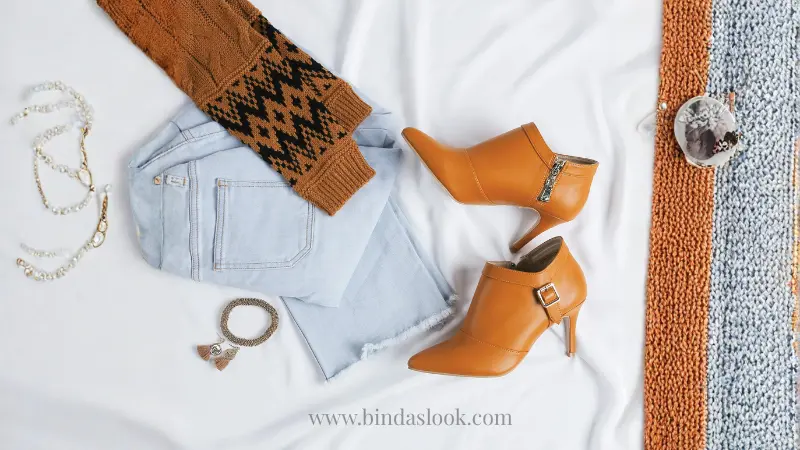
Your Impactful Wardrobe: 6 Sustainable Fashion Strategies for 2026 That Redefine Conscious Style (No More Guilt!)
At BindasLook.online, we believe that embracing conscious style doesn't mean sacrificing trendiness or affordability. In an era where personal expression through fashion is more vibrant than ever, the conversation around sustainability has moved from the periphery to the very heart of how we dress. The fashion landscape of 2026 is evolving rapidly, urging us all to consider the impact of our wardrobe choices not just on our personal aesthetic, but on the planet and its people. This isn't about guilt; it's about empowerment, informed decisions, and redefining what it means to be truly stylish.
We systematically analyzed the latest trends, technological advancements, and consumer shifts to bring you six actionable strategies. These aren't fleeting fads, but robust approaches designed to help you cultivate an impactful wardrobe that aligns with your values, upgrades your style, and minimizes your environmental footprint. Get ready to explore how thoughtful consumption, innovative materials, and a commitment to longevity can transform your approach to fashion for good.
Understanding the Urgency: Why Sustainable Fashion Matters More Than Ever in 2026
The urgency to adopt sustainable fashion practices in 2026 is undeniable. We are witnessing a pivotal moment where environmental and ethical concerns are no longer niche issues but mainstream considerations for designers, manufacturers, and consumers alike. The sheer scale of the fashion industry's impact necessitates a collective shift towards more responsible practices.
The Environmental Footprint of Fast Fashion
The environmental toll of fast fashion is staggering and continues to grow. We've observed that the industry is a major contributor to global pollution. For instance, the fashion industry consumes an astonishing 93 billion cubic meters of water annually, which is enough to meet the daily water needs of 5 million people. Producing just one cotton T-shirt requires 2,700 liters of water, equivalent to a person's drinking water for 2.5 years. Similarly, a single pair of fast fashion denim jeans can demand up to 7,500 liters of water during production.
Beyond water usage, the carbon footprint is immense. Fast fashion's supply chain alone emits 1.2 billion tons of CO2 yearly, accounting for 10% of total global carbon emissions, which is more than international flights and maritime shipping combined. Our research indicates that these emissions are projected to rise by over 50% by 2030 without significant intervention. The reliance on synthetic fibers like polyester, derived from fossil fuels, also contributes significantly to microplastic pollution, with an estimated 35% of ocean microplastics originating from the laundering of synthetic textiles. Furthermore, the industry is responsible for 20% of global industrial wastewater, much of it from dyeing processes, leading to severe water pollution.
Ethical Imperatives and Social Responsibility
The environmental impact is only one side of the coin; the human cost of fast fashion is equally critical. We've seen numerous reports highlighting the pervasive exploitation within garment supply chains. The global fashion industry employs millions, yet a significant portion of these workers, predominantly women, endure unsafe conditions, wage theft, exhausting hours, and minimal pay. Reports indicate that less than 2% of garment workers earn a living wage globally, with instances of gender-based violence, harassment, and food insecurity being tragically common in major manufacturing hubs. This prioritization of profit over human rights is a stark reminder of the ethical imperative to demand transparency and fair labor practices from brands.
The call for ethical fashion is not new, but in 2026, it is amplified by increased consumer awareness and regulatory pressures for greater transparency in supply chains. We believe that supporting brands committed to social responsibility is not just a moral choice, but a powerful act of consumer activism.
Strategy 1: Embrace Longevity: The Art of Curating a Durable Wardrobe
One of the most effective ways to combat fast fashion's destructive cycle is to embrace longevity. This strategy involves a fundamental shift from disposable trends to timeless pieces that are built to last. For BindasLook.online readers, this means investing in items that offer both enduring style and quality, ultimately providing more value and reducing the need for constant replenishment.
Investing in Quality Over Quantity
We advocate for a mindset of "buy less, choose well." Instead of chasing every fleeting trend, consider building a wardrobe of versatile, well-made staples. This approach not only saves money in the long run by reducing frequent purchases but also minimizes textile waste. We focus on identifying garments crafted from durable materials and with superior construction, ensuring they withstand the rigors of wear and washing. This is about elevating your personal style with pieces that convey sophistication and thoughtful curation.
Understanding Fabric Durability and Care
Knowledge of materials is key to longevity. We recommend familiarizing yourself with fabrics renowned for their durability and ease of care. Natural fibers like organic cotton, linen, hemp, and wool, when properly cared for, can last for years. Similarly, innovative recycled synthetics are becoming increasingly robust. Understanding garment care labels and adopting gentle washing practices are crucial steps in extending the life of your clothes, preserving their color, shape, and overall integrity.
Strategy 2: Circularity is Key: Exploring Resale, Rental, and Upcycling
The circular economy represents a paradigm shift in how we conceive of fashion, moving away from a linear "take-make-dispose" model towards one where materials are kept in use for as long as possible. The Ellen MacArthur Foundation has been instrumental in promoting this vision, emphasizing the design principles to eliminate waste and pollution, circulate products and materials, and regenerate nature. This approach not only benefits the environment but also creates new economic opportunities, with circular business models in fashion projected to grasp a USD 700 billion opportunity by 2030.
The Booming Resale Market: A Sustainable Style Revolution
The resale market is no longer just for vintage enthusiasts; it's a thriving sector of the fashion industry. Platforms for buying and selling pre-owned clothing, accessories, and shoes are making it easier than ever to give garments a second life. We encourage exploring these options, as they provide access to unique pieces, designer items at a fraction of the cost, and a significantly reduced environmental impact compared to purchasing new. By participating in resale, you're directly contributing to reducing textile waste and extending the lifecycle of clothing.
Fashion Rental: A Temporary Affair with Lasting Impact
For special occasions or to experiment with new styles without commitment, fashion rental services offer an excellent sustainable alternative. Renting allows you to access high-quality or trend-driven garments for a limited period, reducing the need to buy items you might only wear once or twice. This model is particularly beneficial for formal wear, seasonal pieces, or trying out a statement look before investing. It exemplifies the "use more, own less" philosophy of the circular economy.
DIY Upcycling: Giving Garments a Second Life
Upcycling involves transforming old or unused clothing into new, unique items, giving them an entirely new purpose and aesthetic. This creative strategy can range from simple alterations like cropping a T-shirt or adding embellishments, to more ambitious projects like deconstructing jeans into a new bag or jacket. Upcycling not only minimizes waste but also allows for incredible personalization and creative expression, offering a truly unique and sustainable addition to your wardrobe.
Strategy 3: Conscious Consumption: Mindful Shopping Practices
Conscious consumption is about intentionality in your purchasing decisions. It's about asking critical questions before you buy, moving beyond impulse purchases to a more thoughtful approach that aligns with your sustainable values and BindasLook.online's commitment to informed style.
Researching Brands and Certifications
Before making a purchase, we recommend researching the brands you support. Look for companies that are transparent about their supply chains, labor practices, and environmental initiatives. Certifications play a crucial role in verifying these claims, offering a shortcut to understanding a brand's commitment to sustainability. We've seen significant growth in certifications like GOTS (Global Organic Textile Standard) for organic fibers, Bluesign® for textile production safety, and Fair Trade certifications for ethical labor. These labels help cut through "greenwashing" and ensure that your money supports genuinely responsible businesses. The sustainable fashion certification services market is projected to grow significantly, indicating a rising demand for verified ethical practices.
The 30 Wears Test: A Practical Approach
A simple yet powerful tool for conscious consumption is the "30 Wears Test." Before buying an item, ask yourself: "Will I wear this at least 30 times?" If the answer is no, reconsider the purchase. This test encourages thoughtful investment in versatile, well-loved pieces rather than disposable fashion. It helps curb impulse buying and ensures that every new addition to your wardrobe is a cherished item that will see extensive use.
Strategy 4: Innovating with Eco-Friendly Materials
The textile industry is undergoing a remarkable transformation, with innovation in eco-friendly materials leading the charge towards a more sustainable future. For 2026, we see groundbreaking developments that promise both style and environmental stewardship.
The Rise of Organic and Recycled Fabrics
Organic cotton, grown without harmful pesticides and chemicals, continues to be a staple in sustainable fashion. We also see a significant increase in the use of recycled fabrics, particularly recycled polyester (rPET) made from post-consumer plastic bottles. Advancements in chemical recycling techniques are now producing rPET with a softer feel and better performance, making it a viable and sustainable alternative to virgin polyester. This reduces reliance on fossil fuels and diverts plastic from landfills and oceans.
Exploring Bio-Based and Regenerative Materials
Beyond traditional organic and recycled options, 2026 is witnessing the ascent of truly innovative bio-based and regenerative materials. We are excited by developments such as regenerated cellulose fabrics like Lyocell and Modal, which are derived from sustainably sourced wood pulp using closed-loop systems. The market for sustainable fabrics is projected to reach USD 41.28 billion in 2026, indicating a strong shift towards these materials.
Even more cutting-edge are materials developed from agricultural waste, like leather alternatives made from cactus, pineapple leaves, or mushroom mycelium. Regenerative textiles, such as cotton grown through regenerative farming, actively improve soil health and contribute positively to biodiversity, moving beyond just "doing no harm" to actively restoring ecosystems. These innovations are redefining what's possible in fashion, proving that luxury and sustainability can go hand-in-hand.
Strategy 5: Supporting Local and Ethical Production
The globalized nature of the fashion industry often obscures its origins. By consciously supporting local and ethically produced garments, we can foster transparency, reduce environmental impact, and ensure fair treatment of workers.
The Benefits of Local Sourcing
Local production significantly reduces the carbon footprint associated with transportation. When garments are designed, manufactured, and sold within a closer geographical radius, the emissions from shipping are drastically cut. Moreover, local industries often adhere to stricter environmental regulations and labor laws compared to many offshore manufacturing hubs. Supporting local designers and artisans also helps stimulate local economies and preserves traditional craftsmanship, adding a unique cultural richness to your wardrobe.
Fair Labor Practices and Transparency
Ethical production means ensuring fair wages, safe working conditions, and respect for human rights throughout the supply chain. We believe in advocating for brands that demonstrate clear transparency about their manufacturing processes and actively audit their factories to prevent exploitation. The 2026 Ethical Fashion Report, for instance, continues to assess companies on their systems to mitigate risks of forced labor, child labor, and exploitation. By choosing brands committed to these principles, we contribute to a more equitable and just fashion industry.
Strategy 6: Maintenance and Repair: Extending Garment Lifespans
The simplest and often most overlooked sustainable fashion strategy is to make your existing clothes last longer. This hands-on approach directly counters the disposable nature of fast fashion and reduces the need for new purchases.
Simple Care Routines for Longevity
Proper garment care is fundamental to extending the life of your wardrobe. We advise following care instructions diligently, washing clothes less frequently, using cold water, and air-drying whenever possible. These small changes conserve energy, prevent fabric degradation, and maintain the integrity of your garments. Understanding how to properly store different types of clothing can also prevent damage and prolong their wearability.
The Value of Repairing and Altering Clothes
Before discarding a damaged item, consider its potential for repair. A torn seam, a missing button, or a broken zipper can often be easily fixed, saving the garment from landfill. We also encourage exploring alterations. A well-fitting garment is more likely to be worn and cherished. Simple alterations, such as hemming pants or tailoring a jacket, can transform an ill-fitting item into a favorite, ensuring it remains a valuable part of your impactful wardrobe for years to come.
Comparing Sustainable Fashion Approaches
To provide a clear overview, we've compiled a comparison of key sustainable fashion strategies:
| Strategy | Primary Benefit | Key Action | Impact on Consumer |
|---|---|---|---|
| Embrace Longevity | Reduced textile waste, higher quality wardrobe | Invest in durable, timeless pieces | Higher initial cost, lower long-term cost, enduring style |
| Circularity (Resale, Rental, Upcycle) | Extended garment life, reduced resource consumption | Buy/sell pre-owned, rent for occasions, DIY repurpose | Cost savings, unique items, creative outlet, varied wardrobe |
| Conscious Consumption | Ethical and environmental alignment, informed choices | Research brands, look for certifications, apply 30 Wears Test | Empowered decision-making, supportive of responsible brands |
| Eco-Friendly Materials | Reduced environmental footprint of raw materials | Prioritize organic, recycled, bio-based, and regenerative fabrics | Support for innovation, access to advanced, sustainable products |
| Local & Ethical Production | Reduced carbon footprint, fair labor practices | Support local designers, brands with transparent supply chains | Community support, ethical reassurance, unique craftsmanship |
| Maintenance & Repair | Maximized garment lifespan, reduced new purchases | Proper care, repair damaged items, alter for fit | Cost savings, deeper connection to clothing, reduced waste |
Redefining Conscious Style: Your Impactful Wardrobe for 2026 and Beyond
The journey towards a sustainable wardrobe is a continuous evolution, not a destination. As we've explored, the fashion industry in 2026 presents both challenges and incredible opportunities for those committed to conscious style. By adopting strategies such as embracing longevity, participating in the circular economy, practicing conscious consumption, championing eco-friendly materials, supporting ethical production, and prioritizing maintenance and repair, you can build an impactful wardrobe that reflects your values without compromising on fashion-forward aesthetics.
At BindasLook.online, we believe that true style is a reflection of authenticity, innovation, and responsibility. These strategies are not about restriction, but about unlocking a more creative, fulfilling, and guilt-free approach to fashion. They empower you to make choices that look good, feel good, and do good for the world. Let's collectively redefine conscious style, proving that affordability, global inspiration, and environmental stewardship can beautifully coexist in every wardrobe.
Suggested Articles
 General
 Fashion Trends
Deconstructing Denim: Reinventing Jeans in 2026 Fashion
Explore how denim is being reinvented by 2026 fashion trends, focusing on sustainable practices, innovative silhouett...
Read Article arrow_forward General
 General