

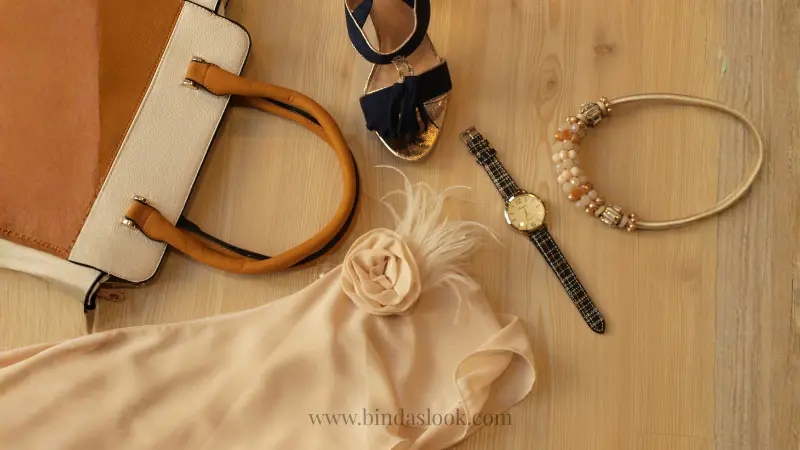
Styling 2026 Fashion Trends: Your Essential Guide
The world of fashion is a dynamic, ever-evolving landscape, a mirror reflecting societal shifts, technological advancements, and collective aspirations. As we peer into 2026, we anticipate a year defined by compelling juxtapositions: a fusion of cutting-edge innovation with a profound reverence for heritage, and a renewed emphasis on individual expression balanced with a critical eye towards sustainability. Navigating these currents requires not just an understanding of what’s new, but also the wisdom to integrate these trends authentically into one’s personal style. This comprehensive guide, meticulously crafted by our team of fashion strategists and industry analysts, aims to equip you with the insights and practical strategies needed to effortlessly style the biggest fashion trends of 2026, ensuring your wardrobe remains both current and timeless.
Understanding the Macro Trends Shaping 2026
Before diving into specific garment styles, it’s crucial to grasp the overarching forces that will dictate fashion’s direction in 2026. We systematically analyzed global consumer behavior, technological innovations, and socio-economic indicators to identify the foundational pillars of next year’s sartorial landscape.
Sustainability & Circularity at the Forefront
What was once a niche concern has fully matured into a mainstream imperative. In 2026, sustainability moves beyond mere ethical sourcing to embrace full circularity. This means an increased focus on durable, repairable, and recyclable materials, alongside a growing demand for pre-owned, upcycled, and rental fashion. Consumers are increasingly informed about the environmental impact of their choices, pushing brands towards transparent supply chains and responsible manufacturing processes. We observe a significant shift where design principles now inherently consider the entire lifecycle of a garment, from its inception to its eventual end-of-life, encouraging conscious consumption and an appreciation for longevity over fleeting novelty. This systemic shift is not just about materials, but a complete rethinking of how fashion is produced and consumed, fostering a more resilient and responsible industry. The Ellen MacArthur Foundation provides extensive research on the circular economy in fashion, highlighting its growing importance and transformative potential.
Digital Integration & Phygital Fashion
The boundaries between the physical and digital realms continue to blur, creating "phygital" experiences that are set to revolutionize how we interact with fashion. Expect augmented reality (AR) try-ons to become more sophisticated, metaverse fashion brands to gain traction, and non-fungible tokens (NFTs) to serve as certificates of authenticity or ownership for both virtual and physical garments. This trend extends beyond mere novelty; it’s about creating richer, more immersive brand experiences and offering new avenues for creativity and customization. Digital wardrobes will coexist with physical ones, influencing aesthetic choices and providing novel styling opportunities.
Hyper-Personalization & Authentic Self-Expression
2026 will celebrate the individual. A departure from rigid, top-down trend cycles, consumers will increasingly prioritize clothing that reflects their unique identity, values, and lifestyle. This manifests in bespoke services, customizable garments, and a penchant for mixing and matching diverse aesthetics. The emphasis is on storytelling through personal style, rejecting uniform conformity in favor of curated individuality. Fashion becomes a tool for authentic self-expression, where trends serve as inspiration rather than strict mandates.
Comfort-Centric Luxury & Elevated Utility
The enduring legacy of recent global shifts continues to shape our approach to comfort. In 2026, comfort no longer equates to sloppiness but is seamlessly integrated into luxury. Think relaxed silhouettes crafted from premium, tactile fabrics, versatile pieces that transition effortlessly from day to evening, and sophisticated loungewear that blurs the lines between indoor and outdoor attire. Concurrently, utility-inspired designs, such as cargo pockets, durable fabrics, and modular elements, are elevated with refined tailoring and luxurious finishes, bridging the gap between practicality and high fashion.
Key Fashion Trends of 2026 and How to Style Them
Building on these macro shifts, we’ve identified several dominant stylistic directions poised to define 2026. Each trend offers unique opportunities for creative expression and strategic wardrobe integration.
The Neo-Minimalist Revival
Characterized by clean lines, sophisticated neutrals, and an unwavering focus on impeccable tailoring and luxurious fabrics, neo-minimalism returns with a refined edge. This isn't the stark minimalism of the 90s, but a softer, more approachable version that emphasizes quality, drape, and subtle architectural details. Think perfectly cut blazers, wide-leg trousers in muted tones, and elevated knitwear that prioritizes texture over embellishment. Styling neo-minimalism effectively means playing with proportions and layering. A monochromatic outfit in cream or charcoal can be made dynamic with varying textures—a cashmere knit over a silk slip skirt, for example. Accessorize sparingly with sculptural jewelry or a structured leather bag to maintain the sophisticated simplicity. The beauty lies in the quiet power of well-chosen, enduring pieces that speak volumes without shouting.
Artisanal Craftsmanship & Heritage
In direct response to fast fashion, 2026 celebrates the beauty of human touch and tradition. This trend encompasses hand-embroidered details, intricate knitting techniques, natural dyes, patchwork, and the revival of heritage prints and silhouettes. It reflects a deeper appreciation for the artistry, time, and stories embedded within garments, often drawing inspiration from diverse cultural heritages. Styling artisanal pieces requires balance. Let a single handcrafted item be the focal point—perhaps a vividly embroidered jacket or a hand-knitted vest—and pair it with contemporary, simpler pieces to avoid an overly theatrical look. For instance, an artisanal blouse can be beautifully grounded by tailored denim or a classic skirt. This approach highlights the craftsmanship while ensuring the outfit remains modern and wearable.
Fluid Silhouettes & Gender-Neutral Dressing
The push for inclusivity and comfort translates into fashion through increasingly fluid and gender-neutral silhouettes. Expect to see oversized blazers, wide-leg trousers, draped fabrics, and non-restrictive garments that transcend traditional gendered classifications. This trend is about liberating the body and embracing ambiguity, allowing individuals to choose styles based purely on aesthetic preference rather than prescribed norms. When styling fluid silhouettes, focus on balance. If wearing an oversized top, consider a more tailored bottom, or vice-versa, to maintain structure. Belts can be used to cinch voluminous shapes and define the waist, adding a touch of intentionality. Experiment with layered pieces to create depth and movement, letting fabrics flow and interact organically.
Dynamic Textures & Sensory Play
Beyond visual appeal, 2026 fashion engages the sense of touch. Expect a rich interplay of textures: plush velvets alongside crisp poplins, shimmering metallics contrasted with matte knits, and unexpected pairings like boucle with sleek leather. This trend adds a multi-dimensional quality to outfits, inviting exploration and tactile pleasure. Styling with dynamic textures involves thoughtful juxtaposition. Combine a rougher texture with a smoother one, or a matte finish with a glossy one, to create visual and tactile interest. For example, a faux fur coat layered over a silk dress, or patent leather boots with a knitted skirt. The key is to build depth and complexity in an outfit without overcomplicating the color palette, often allowing the textures themselves to be the dominant feature. Leading industry reports, such as The Business of Fashion's State of Fashion, consistently highlight the increasing importance of material innovation and sensory design in future trends.
Mastering 2026 Trends: Practical Styling Strategies
Translating runway trends into everyday wear is an art. Here are our top strategies for effectively incorporating 2026’s key directions into your personal wardrobe.
Building a Versatile Wardrobe Foundation
At the core of any successful wardrobe is a collection of high-quality, versatile staples. In 2026, these include well-fitting tailored pieces (blazers, trousers), classic knitwear, adaptable outerwear, and foundational denim. Investing in these timeless items, often in neutral palettes, provides a canvas upon which trend-driven pieces can be layered. This strategy ensures longevity and maximizes the wearability of your wardrobe, allowing you to participate in trends without constant, unsustainable consumption.
Accessorizing for Impact
Accessories are the quickest and often most cost-effective way to update an outfit and align with current trends. For 2026, think sculptural jewelry that echoes neo-minimalist lines, oversized tote bags that embrace utility, or handcrafted footwear that celebrates artisanal skills. A strategically chosen belt can transform a fluid silhouette, while a unique scarf can inject a pop of texture or pattern. We find that accessories allow for playful experimentation without committing to a full trend aesthetic, making them invaluable styling tools.
The Art of Layering
Layering is crucial for creating depth, adapting to varying temperatures, and experimenting with proportions—all key elements of 2026 fashion. Over a neo-minimalist base, experiment with an artisanal vest or a fluid, sheer top. Under an oversized blazer, try a fitted knit or a luxurious tank top. Layering also offers an opportunity to play with different textures and create dynamic, visually interesting outfits that feel both personal and trend-aware. It adds an element of thoughtful construction to your ensemble.
Comparing Key Stylistic Approaches: Minimalist Integration vs. Maximalist Expression
The duality of 2026 fashion allows for both understated elegance and bold statements. Understanding which approach suits which trend, and your personal style, is key.
| Feature | Minimalist Integration | Maximalist Expression |
|---|---|---|
| **Goal** | Subtle update, timeless appeal, effortless sophistication. | Bold statement, unique identity, engaging sensory experience. |
| **Key Trends Integrated** | Neo-Minimalism, Comfort-Centric Luxury, Fluid Silhouettes. | Artisanal Craftsmanship, Dynamic Textures, Hyper-Personalization. |
| **Color Palette** | Neutrals (cream, charcoal, beige, black), muted tones. | Vibrant hues, bold contrasts, mixed patterns. |
| **Texture Focus** | Quality fabrics, subtle weave variations, smooth finishes. | Rich interplay of diverse textures (velvet, knits, metallics, fur). |
| **Accessorizing** | Understated, sculptural, high-quality, often metallic. | Statement pieces, layered jewelry, unique handmade items. |
| **Overall Feel** | Refined, quiet luxury, approachable, versatile. | Eclectic, artistic, confident, expressive. |
| **Styling Tip** | Focus on impeccable fit and luxurious fabrics for impact. | Balance one or two bold elements with simpler supporting pieces. |
Conclusion: Embracing Your Style in 2026
The fashion landscape of 2026 is rich with possibility, offering a compelling blend of innovation, responsibility, and individuality. From the quiet sophistication of neo-minimalism to the celebratory spirit of artisanal craftsmanship, the prevailing trends invite us to explore new dimensions of personal style. By understanding the macro forces at play—sustainability, digital integration, and the quest for authentic self-expression—and by employing practical styling strategies, you can confidently navigate and embrace these shifts. Remember, trends are merely a guide; the true art of fashion lies in adapting them to reflect your unique identity. We encourage you to experiment, to combine elements that resonate with you, and to build a wardrobe that not only looks current but also feels genuinely yours, ready for the exciting sartorial journey ahead.
Suggested Articles
 General
 Budget looks
10 Outfit Ideas Under $50 That Look 10x More Expensive
Discover how to create stunning, high-end looking outfits for under $50. Master the art of budget fashion with these ...
Read Article arrow_forward General
Beyond the Runway: Decoding Global Fashion Trends for 2026
Explore the future of fashion as we dive deep into the global trends shaping 2026. Discover key influences, emerging ...
Read Article arrow_forward General
Rookie's Guide to Fashion Trends 2026: Essential Tips
Dive into the exciting world of 2026 fashion trends. This beginner's guide demystifies emerging styles, sustainable c...
Read Article arrow_forward