

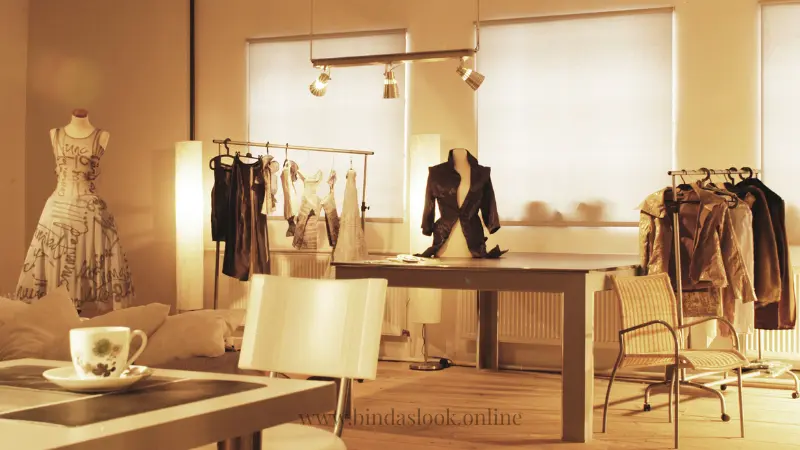
The fashion world is undergoing a profound transformation. What was once dismissed as a niche concern has blossomed into a powerful movement: sustainable style. At BindasLook.online, we have systematically analyzed the evolving landscape of fashion, observing a discernible shift towards conscious consumption that prioritizes both aesthetics and ethical production. We believe that by 2026, eco-friendly fashion will not just be an alternative but a mainstream expectation, offering stunning designs without the environmental or social guilt traditionally associated with the industry. This article delves into the "Silent Revolution" of sustainable fashion, showcasing eight cutting-edge eco-friendly outfits for 2026 that are set to redefine style, prove that sustainability doesn't compromise sophistication, and align perfectly with our mission to bring trendy, affordable, and global fashion inspiration to our community.
Embracing the Sustainable Chic: Why Eco-Friendly Fashion is More Than Just a Trend
For too long, the allure of fast fashion, with its ever-changing trends and irresistible price points, overshadowed its significant environmental and social costs. However, a growing awareness among consumers, coupled with innovative advancements in textile technology and manufacturing, is catalyzing a monumental shift. We are witnessing a collective awakening, where shoppers are increasingly demanding transparency, ethical practices, and environmental responsibility from their beloved brands.
The Environmental Footprint of Our Wardrobes
The statistics are stark and underscore the urgent need for change. The fashion industry is notoriously one of the most polluting sectors globally. It contributes between 2% and 8% of global greenhouse gas emissions, and it is responsible for 20% of global wastewater, more than international flights and maritime shipping combined. Furthermore, the production of textiles consumes vast amounts of water—an estimated 215 trillion liters annually, equivalent to 86 million Olympic-sized swimming pools. The reliance on conventional cotton, for instance, requires significant water and pesticide use, while synthetic fabrics like polyester contribute to microplastic pollution in our oceans. An estimated 11.3 million tons of textile waste end up in US landfills annually, with only a fraction being recycled. This linear "take-make-dispose" model is simply unsustainable.
Decoding Sustainable Materials: The Foundation of Guilt-Free Glamour
The bedrock of eco-friendly fashion lies in its materials. Moving away from conventional, resource-intensive fabrics towards innovative and regenerative alternatives is crucial. We have meticulously researched the materials making waves in sustainable fashion for 2026, identifying those that offer both performance and a reduced ecological impact.
Natural & Organic Fibres: The Earth's Embrace
- Organic Cotton: Cultivated without harmful pesticides, synthetic fertilizers, or genetically modified seeds, organic cotton significantly reduces water pollution and conserves biodiversity. It still requires substantial water, but its overall impact is considerably lower than conventional cotton.
- Linen: Derived from the flax plant, linen is celebrated for its durability, breathability, and natural luster. Flax requires minimal water and pesticides, and nearly every part of the plant can be utilized, making it an incredibly efficient crop.
- Hemp: An incredibly resilient and fast-growing plant, hemp requires very little water and no pesticides. Its fibers are strong, durable, and become softer with each wash, offering excellent longevity.
- Ramie: Often mistaken for linen, ramie is another natural fiber known for its strength and silky appearance. It grows quickly and requires few resources, making it a sustainable choice.
Innovative Recycled & Upcycled Materials: Giving Waste a Second Life
- Recycled Polyester (rPET): Made from recycled plastic bottles and other post-consumer waste, rPET diverts plastic from landfills and oceans, reducing the demand for virgin petroleum-based polyester. Brands like Ecoalf are creating high-quality garments from materials like used fishing nets and plastic bottles.
- Lyocell (Tencel™): A semi-synthetic fiber made from wood pulp (often eucalyptus), Lyocell is produced in a closed-loop system that recycles up to 99% of solvents and water, significantly minimizing its environmental footprint compared to conventional viscose or cotton. It offers exceptional softness, breathability, and moisture-wicking properties.
- Piñatex: An innovative natural leather alternative made from cellulose fibers extracted from pineapple leaves, Piñatex provides a durable and versatile material with a significantly lower environmental impact than traditional animal leather.
- Refibra™: An innovative technology by Lenzing that upcycles cotton scraps and wood pulp to produce new Tencel™ Lyocell fibers, demonstrating a commitment to circularity.
Understanding Certifications: Your Guide to Trustworthy Choices
To navigate the complex world of sustainable fashion, certifications act as vital indicators of a brand's commitment to environmental and social standards. We recommend looking for labels such as:
- GOTS (Global Organic Textile Standard): Ensures organic status of textiles, from harvesting of the raw materials, environmentally and socially responsible manufacturing, to labeling, providing credible assurance to the consumer.
- Oeko-Tex Standard 100: Guarantees that textiles and fabrics are free from harmful substances, safeguarding human health.
- Fair Trade Certified: Focuses on ethical production, ensuring fair wages, safe working conditions, and community development for garment workers.
Below, we offer a comparative overview of some common and sustainable fabrics, highlighting their key environmental attributes:
| Fabric Type | Water Use | Chemical Use | Durability | Environmental Footprint Notes |
|---|---|---|---|---|
| Conventional Cotton | High | High (pesticides, dyes) | Medium-High | Significant water and pesticide pollution. |
| Organic Cotton | Medium | Low (no synthetic pesticides) | Medium-High | Reduced water pollution, healthier soil. |
| Linen | Low | Very Low | High | Minimal water and pesticide, biodegradable. |
| Hemp | Very Low | Very Low | Very High | Rapid growth, soil enrichment, minimal resources. |
| Conventional Polyester | Low (in production) | Medium (petroleum-based) | High | Microplastic pollution, fossil fuel reliance. |
| Recycled Polyester (rPET) | Low | Low (repurposed waste) | High | Diverts plastic from landfills, reduces virgin plastic demand. |
| Lyocell (Tencel™) | Low | Very Low (closed-loop solvents) | Medium-High | Sustainable wood source, minimal waste. |
Key Principles for a Sustainable Wardrobe in 2026
Building a sustainable wardrobe goes beyond just choosing eco-friendly materials; it encompasses a holistic approach to consumption and care. We advocate for practices that promote longevity, versatility, and ethical consideration at every stage.
Longevity & Versatility: Investing in Timeless Pieces
The antidote to fast fashion is slow fashion. This means investing in high-quality pieces designed to last, transcending fleeting trends. We encourage our BindasLook.online community to select versatile garments that can be mixed and matched to create numerous outfits, maximizing their utility and reducing the need for constant new purchases. Timeless designs, robust construction, and durable fabrics are hallmarks of a truly sustainable wardrobe.
Circularity & Repair: Extending the Life of Your Clothes
A sustainable mindset embraces the circular economy, where garments are kept in use for as long as possible. This involves repairing clothes instead of discarding them, exploring upcycling for a fresh look, and participating in the thriving second-hand market through thrifting, vintage shopping, or clothing swaps. Even clean, unusable textiles can often be recycled into new materials, diverting them from landfills.
Ethical Production: Looking Beyond the Label
Sustainability isn't solely about environmental impact; it also encompasses social responsibility. We must consider the human hands behind our clothes. Brands committed to ethical production ensure fair wages, safe working conditions, and respect for human rights throughout their supply chains. A truly guilt-free outfit ensures no exploitation occurred during its creation.
The Silent Revolution: 8 Eco-Friendly Outfits for 2026 That Steal the Show
Having explored the foundational principles, we are thrilled to present our curated selection of eight eco-friendly outfits for 2026. These ensembles demonstrate that sustainable fashion is not only possible but also incredibly stylish, offering diverse options for every taste and occasion, perfectly aligned with the trendy and global spirit of BindasLook.online.
1. The Urban Explorer: Hemp & Organic Cotton Street Style
Imagine a gender-neutral utility jumpsuit crafted from a durable blend of organic cotton and hemp, featuring large, practical pockets and an adjustable waist. Paired with chunky, recycled rubber sole sneakers and a beanie made from recycled wool, this outfit is perfect for navigating cityscapes with an effortless, cool vibe. The natural breathability and resilience of hemp ensure comfort and longevity, while the organic cotton adds softness. This look is a testament to functional fashion meeting conscious design.
2. The Conscious Professional: Lyocell Blend Power Suit
For the modern professional, we envision a sleek, tailored two-piece suit made from a luxurious Lyocell and recycled wool blend. The Lyocell provides a beautiful drape and silk-like feel, making it suitable for year-round wear, while the recycled wool adds structure and warmth. Available in classic shades like charcoal, navy, or a sophisticated forest green, this suit offers comfort for long workdays and a polished aesthetic for important meetings. Its versatility allows separates to be styled casually with ease.
3. The Weekend Wanderer: Recycled Denim & Upcycled Tee
Casual comfort gets a sustainable upgrade with a pair of relaxed-fit jeans made from 100% recycled denim, featuring a light wash and minimal distressing. Complement this with an upcycled graphic t-shirt, where vintage tees are given new life through creative alterations or prints using eco-friendly dyes. This outfit is ideal for leisurely weekend outings, offering a blend of nostalgic charm and contemporary eco-consciousness. It proves that laid-back style can be profoundly impactful.
4. The Evening Elegance: Piñatex (Pineapple Leather) Accent Dress
For a night out, consider a chic midi dress in a vibrant, naturally dyed organic silk or Tencel™ fabric, accented with bold structural elements crafted from Piñatex. Perhaps a corset-style top or sculptural sleeves made from the innovative pineapple leather alternative. This combination creates a striking silhouette that is both glamorous and kind to the planet, showcasing the unexpected possibilities of sustainable materials in high fashion. Pair with recycled glass jewelry for an extra touch of conscious sparkle.
5. The Active Advocate: Recycled PET Activewear Set
For fitness enthusiasts, an activewear set (leggings and sports bra/top) made from 100% recycled PET (polyester from plastic bottles) is essential. Modern recycled activewear offers excellent moisture-wicking properties, flexibility, and durability, rivaling conventional synthetics without the environmental cost. Available in bold, empowering colors and dynamic patterns, this outfit supports your active lifestyle while actively reducing plastic waste, making every workout a statement of sustainability.
6. The Bohemian Rhapsody: Organic Linen & Ramie Maxi Dress
Embrace free-spirited style with a flowing maxi dress crafted from a breezy blend of organic linen and ramie. Featuring delicate embroidery with natural fibers and an earthy, plant-based dye palette, this dress is perfect for warm weather or beach vacations. Its natural breathability and graceful movement offer ultimate comfort and an undeniably elegant, ethereal appeal. This outfit celebrates nature's beauty through its materials and design, resonating with a global aesthetic.
7. The Minimalist Maven: Monochromatic Tencel™ Jumpsuit
A sophisticated monochromatic Tencel™ Lyocell jumpsuit in a rich, solid hue like olive green, terracotta, or deep indigo offers effortless elegance. Its soft, fluid drape and inherent breathability make it a comfortable yet refined choice for various occasions, from a casual brunch to a semi-formal event. This piece exemplifies minimalist style, proving that less can truly be more when crafted with thoughtful, sustainable materials and impeccable design.
8. The Artisan's Touch: Hand-Loomed Khadi or Naturally Dyed Ensemble
Celebrating global craftsmanship, this outfit features a hand-loomed Khadi fabric tunic or a naturally dyed cotton kurta-pant set, showcasing traditional techniques and supporting artisan communities. Khadi, a hand-spun and hand-woven fabric, embodies self-sufficiency and minimal environmental impact. The use of natural dyes derived from plants and minerals further reduces chemical pollution, offering unique, earthy tones and patterns. This ensemble blends cultural heritage with contemporary ethical values, perfect for those who appreciate unique stories behind their clothes.
Navigating the Sustainable Fashion Landscape: Tips for the Conscious Consumer
Making informed choices in the sustainable fashion market can seem daunting, but with a few key strategies, our BindasLook.online readers can become powerful advocates for change.
Researching Brands: Transparency is Key
We encourage thorough research into brands' sustainability claims. Look for companies that are transparent about their supply chains, material sourcing, labor practices, and environmental impact. Many reputable organizations, such as Good On You, provide ratings and detailed analyses of brands' ethical performance, helping you make informed decisions.
The Art of Second-Hand & Swapping
The most sustainable garment is often one that already exists. Embracing second-hand shopping, whether through vintage boutiques, thrift stores, or online resale platforms, is an excellent way to reduce demand for new production and give clothes a second life. Clothing swaps with friends or community groups also offer a fun and zero-cost way to refresh your wardrobe responsibly.
Care for Your Clothes: Extend Their Life
The lifespan of a garment is significantly influenced by how we care for it. Following washing instructions, air-drying when possible, and repairing minor damage like loose buttons or small tears can drastically extend the life of your clothing. Less frequent washing, especially of items like denim, also conserves water and energy, further reducing your environmental footprint.
The Future is Eco-Chic: Our Vision for 2026 and Beyond
The Silent Revolution in fashion is not just a passing trend; it is a fundamental shift towards a more responsible and equitable industry. We at BindasLook.online are proud to be part of this movement, offering insights and inspiration that empower our community to make stylish choices that align with their values. By 2026, we anticipate even greater innovation in sustainable materials, increased transparency from brands, and a stronger collective commitment to circular fashion principles.
We systematically believe that fashion should be a source of joy and self-expression, not guilt. By choosing eco-friendly outfits and embracing conscious consumption, we can collectively steer the industry towards a future where stunning style and planetary well-being go hand-in-hand. Join us in celebrating this revolution, proving that fashion can indeed steal the show without costing the Earth.
Suggested Articles
 General
Beyond Greenwashing: 7 Truly Sustainable Fashion Brands Dominating 2026 (Your Ethical Shopping Guide
Discover 7 genuinely sustainable fashion brands that are leading the way in 2026. This ethical shopping guide helps y...
Read Article arrow_forward General
Shocking Economic Shifts: 2026 Fashion Trends Revealed
Uncover the three groundbreaking economic shifts secretly shaping 2026 fashion. Learn what top designers are keeping ...
Read Article arrow_forward General
 General
Unveiling 2026: Top Fashion Movements Shaping Tomorrow's Style
Explore the cutting-edge fashion trends and movements set to define style in 2026. Discover the influences and design...
Read Article arrow_forward