

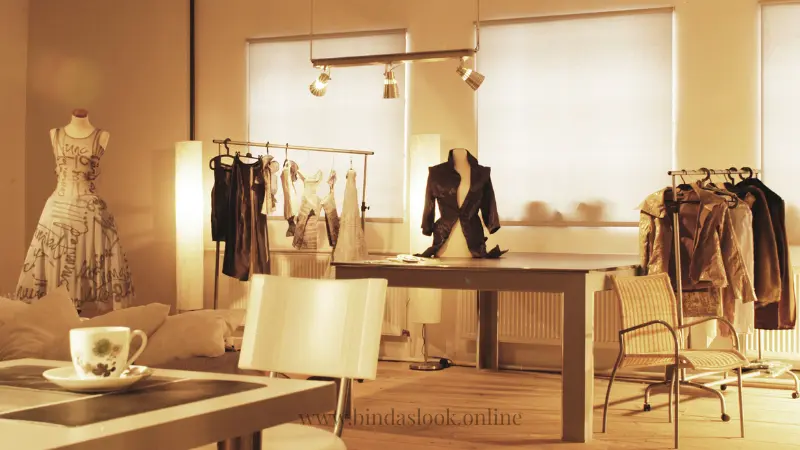
The Conscious Closet Cure: 7 Eco-Friendly Outfits for 2026 That Solve Your 'Nothing To Wear' Crisis
The familiar lament of "I have nothing to wear" often echoes through closets bursting with clothes. This paradox, where abundance fuels dissatisfaction, is a hallmark of an era defined by fast fashion's relentless cycles. For many, the thrill of a new purchase is fleeting, quickly replaced by the urge for the next trend, leading to overconsumption and a wardrobe filled with items that fail to truly serve or inspire. We systematically analyzed this common dilemma, recognizing it not merely as a personal frustration, but as a symptom of a larger, systemic challenge within the fashion industry. The environmental and ethical toll of rapid production and disposal has become undeniable, prompting a critical re-evaluation of how we engage with our clothing.
This article offers a powerful antidote: the conscious closet cure. By embracing eco-friendly outfits and a sustainable approach to fashion, we can transform our wardrobes from sources of stress into wellsprings of genuine style, personal expression, and environmental responsibility. For 2026, the convergence of aesthetic appeal and ethical production is not just a trend; it's an imperative. We delve into practical, stylish solutions, presenting seven distinct eco-friendly outfits that promise to solve your 'nothing to wear' crisis, allowing you to dress with intention, confidence, and a clear conscience.
Understanding the Pillars of a Conscious Closet for 2026
Building a conscious closet extends beyond merely buying "green" products; it involves a holistic shift in mindset and consumption patterns. For 2026, several key pillars define this approach, guiding our choices towards a more sustainable and ethical fashion future.
- Sustainable Materials: The foundation of eco-friendly attire lies in its raw materials. We prioritize options like organic cotton, grown without harmful pesticides; linen and hemp, which require less water and are remarkably durable; Tencel (lyocell), derived from sustainably harvested wood pulp; and innovative recycled materials such as recycled polyester (RPET) made from plastic bottles, or regenerated nylon. Beyond these, emerging bio-based alternatives like Piñatex (pineapple leaf fiber) offer exciting possibilities for future textiles.
- Ethical Production: A garment’s journey from fiber to finished product must be rooted in fairness. This pillar emphasizes fair wages, safe working conditions, and respect for human rights across the entire supply chain. Transparency from brands about their manufacturing processes and labor practices becomes crucial for consumers to make informed choices.
- Durability & Longevity: A core tenet of sustainability is extending the life of our clothing. This means investing in well-made garments designed to withstand wear and tear, reducing the need for frequent replacements. Quality over quantity is not just a slogan but a practical strategy for a conscious closet.
- Circular Economy Principles: Moving away from a linear "take-make-dispose" model, circular fashion encourages designing products for durability, reuse, repair, and eventual recycling. This minimizes waste and keeps resources in use for as long as possible. The Ellen MacArthur Foundation has extensively highlighted the transformative potential of a circular economy in textiles, emphasizing its role in decoupling growth from finite resource consumption. We recognize the profound impact of these principles in shaping the future of fashion. Source: Ellen MacArthur Foundation
The urgency of this shift cannot be overstated. The fashion industry is a significant contributor to global pollution, from water contamination and microplastic shedding to colossal textile waste. By focusing on these pillars, we actively participate in mitigating these impacts.
The "Nothing To Wear" Crisis: A Deeper Dive into its Roots
The paradoxical 'nothing to wear' crisis, despite overflowing closets, is deeply rooted in the psychology of consumption and the operational model of the fast fashion industry. It's not a true lack of garments but rather a feeling of disconnection and inadequacy with what one owns.
- Overconsumption Driven by Fast Fashion Cycles: The relentless churning of new trends by fast fashion retailers encourages continuous purchasing. Items are designed to be disposable, making it easy and inexpensive to buy more, but difficult to form lasting attachments or build a cohesive style. This leads to impulse buys that don't integrate well into an existing wardrobe.
- Lack of Cohesive Wardrobe Planning: Many consumers acquire clothing piece by piece, without a unifying vision or an understanding of how new items will complement existing ones. This results in a collection of disparate items that are hard to mix and match, leading to the feeling that no complete outfit can be assembled.
- Emotional Connection vs. Practical Utility: Purchases are often driven by emotional impulses – the desire for novelty, status, or a temporary mood boost. However, if these items lack practical utility, versatility, or alignment with one's authentic style, they quickly become 'wardrobe orphans,' unworn and contributing to clutter rather than choice.
A conscious approach directly addresses these issues by promoting thoughtful consumption, emphasizing versatility, and fostering a deeper appreciation for each garment. It shifts the focus from accumulating to curating, ultimately solving the 'nothing to wear' dilemma by ensuring every piece in your closet serves a purpose and brings joy.
Crafting Your Conscious Capsule: Key Principles for Outfit Building
Before diving into specific outfit ideas, establishing a foundational approach to wardrobe building is essential. A conscious capsule wardrobe is not about deprivation; it's about empowerment through strategic selection and mindful integration. We have found these principles to be universally applicable for achieving both style and sustainability.
- Versatility: Multi-functional Pieces: Seek out items that can be styled in multiple ways or serve different functions. A dress that can be worn casually with sneakers or dressed up with heels, or a shirt that works equally well buttoned up for work or open over a t-shirt, maximizes its utility and reduces the need for numerous single-purpose items.
- Timelessness: Avoiding Fleeting Trends: While incorporating modern elements is welcome, prioritize classic silhouettes, enduring colors, and high-quality construction. Timeless pieces anchor your wardrobe, allowing you to integrate a few trend-driven accessories without overhauling your entire collection every season.
- Personal Style: Authenticity is Key: Your wardrobe should reflect who you are. Understanding your personal aesthetic and what makes you feel comfortable and confident is crucial. This authenticity ensures you'll love and wear your clothes for longer, preventing the accumulation of items bought out of perceived obligation or fleeting trends.
- Layering: Extending Seasonal Wear: Thoughtful layering allows garments to transition across seasons and occasions. A lightweight knit can be a standalone top in spring or a warming layer under a coat in winter, effectively expanding your wardrobe's functionality without increasing its size.
- Cohesive Color Palette: Interchangeable Options: Develop a core color palette that includes neutrals (black, white, grey, navy, beige) and a few complementary accent colors. This ensures that most items in your closet can be easily mixed and matched, simplifying outfit creation and maximizing styling possibilities.
7 Eco-Friendly Outfits for 2026: Style Meets Sustainability
Having established the foundational principles, we now present seven curated eco-friendly outfits for 2026, designed to inspire and empower your conscious closet journey. Each outfit demonstrates how style, comfort, and sustainability can seamlessly intertwine.
Outfit 1: The Urban Explorer
For those navigating cityscapes or embarking on weekend adventures, this outfit combines practicality with an understated, contemporary edge. It’s built for movement and resilience, embodying a spirit of effortless discovery.
- Components: A pair of durable, organic cotton utility trousers with ample pockets, paired with a breathable Tencel knit top in a neutral shade. Layer with an upcycled denim jacket – perhaps a vintage find or a brand offering denim made from recycled materials. Complete the look with comfortable, recycled canvas sneakers and a cross-body bag made from innovative vegan leather alternatives like cactus leather.
- Why it's Eco-Friendly: Organic cotton reduces pesticide use; Tencel is sustainably sourced and biodegradable; upcycled denim diverts textile waste; recycled canvas and innovative vegan leathers minimize reliance on virgin resources and animal products.
Outfit 2: The Sophisticated Minimalist
Elegance refined through simplicity, this outfit is perfect for professional settings, semi-formal events, or any occasion demanding a polished aesthetic. It focuses on clean lines and luxurious, yet responsibly sourced, materials.
- Components: Tailored trousers crafted from a linen-blend fabric, paired with an exquisite peace silk (non-violent silk harvesting) or a high-quality Tencel Luxe camisole. Drape a responsibly sourced wool blazer over the shoulders for structure and warmth. Footwear includes sleek, low-impact leather loafers, or a vegan alternative, and accessories are minimal, such as a timepiece with a recycled metal case.
- Why it's Eco-Friendly: Linen is low-impact; peace silk is animal-friendly; Tencel Luxe offers a luxurious feel from sustainable fibers; responsibly sourced wool ensures animal welfare and land management; low-impact leathers minimize chemical use, or vegan options eliminate animal products entirely.
Outfit 3: The Weekend Wanderer
Designed for ultimate comfort without sacrificing style, this ensemble is ideal for relaxed outings, cozy weekends at home, or casual meet-ups. It prioritizes soft textures and easy wear.
- Components: Plush joggers made from a hemp blend, offering both softness and durability, paired with an oversized organic cotton sweatshirt in an earthy tone. Slip into sustainable trainers made from recycled materials or innovative plant-based components. Complete with natural fiber socks (e.g., bamboo or organic cotton) and a minimalist, recycled cotton tote bag.
- Why it's Eco-Friendly: Hemp and organic cotton are highly sustainable fibers; recycled materials in trainers reduce waste; natural fiber socks are biodegradable and gentle on the environment.
Outfit 4: The Bohemian Spirit
Embracing natural textures, flowing silhouettes, and a sense of free-spirited expression, this outfit is perfect for warm weather or creative endeavors. It celebrates artistry and comfort.
- Components: A vibrant, block-printed maxi dress made from organic cotton, reflecting artisan craftsmanship and natural dyes. Layer with a lightweight Tencel denim jacket for cooler evenings. Accessorize with comfortable cork sandals and an artisanal tote bag crafted from upcycled fabric scraps, perhaps adorned with intricate embroidery.
- Why it's Eco-Friendly: Organic cotton and natural dyes reduce chemical impact; Tencel denim offers a sustainable alternative to conventional denim; cork is a renewable resource; upcycled fabric bags give new life to textile waste.
Outfit 5: The Trans-Seasonal Transformer
For unpredictable weather and adaptable styling, this outfit champions the power of layering. Each piece works harmoniously to create multiple looks suitable for varying temperatures.
- Components: A fine-knit merino wool base layer (responsibly sourced for animal welfare) provides warmth without bulk. Over this, a sleek recycled polyester trench coat offers protection from the elements. Pair with ethically made denim jeans, crafted using water-saving techniques and non-toxic dyes. Finish with versatile ankle boots made from recycled materials or certified vegan leather.
- Why it's Eco-Friendly: Responsibly sourced merino wool is a natural, renewable fiber; recycled polyester diverts plastic from landfills; ethical denim reduces water and chemical footprint; recycled/vegan footwear minimizes environmental harm.
Outfit 6: The Evening Elegance
Proving that glamour and sustainability can coexist, this outfit offers a refined choice for dressier occasions, eschewing fleeting trends for enduring style and ethical materials.
- Components: A bias-cut midi skirt made from recycled satin (e.g., from pre-consumer textile waste) or a luxurious Tencel blend, offering a beautiful drape. Pair with an organic silk or smooth Tencel blouse. Elevate the look with vegan leather heels made from innovative plant-based materials and a vintage or upcycled clutch bag.
- Why it's Eco-Friendly: Recycled satin repurposes materials; Tencel offers a sustainable alternative to conventional silk; organic silk ensures ethical sericulture; vintage accessories promote circularity.
Outfit 7: The Active Advocate
For fitness enthusiasts who prioritize performance and planetary well-being, this outfit demonstrates that activewear can be both highly functional and environmentally conscious.
- Components: High-performance leggings made from recycled plastic bottles (RPET), offering compression and moisture-wicking properties. Pair with an organic cotton sports bra for breathability and comfort. Top it off with a sustainable performance t-shirt made from bamboo or recycled polyester. Complete with bamboo socks and trainers from brands committed to circular design or recycled components.
- Why it's Eco-Friendly: Recycled plastic diverts waste; organic cotton and bamboo are natural, renewable fibers with lower environmental impact; sustainable brands in activewear often prioritize closed-loop systems and ethical production.
Beyond the Outfit: Cultivating a Mindful Wardrobe
Creating a conscious closet extends beyond the initial purchase; it encompasses the entire lifecycle of your garments. Adopting these practices ensures your wardrobe remains sustainable, functional, and deeply satisfying.
- Repair, Reuse, Repurpose: The Circular Fashion Mantra: Learn basic mending skills or support local tailors and repair shops. A small tear or loose button shouldn't mean the end of a garment's life. When an item can no longer be worn as intended, consider repurposing it into cleaning cloths, creative projects, or donating it to textile recycling programs.
- Buying Secondhand & Vintage: A Cornerstone of Sustainability: The most sustainable garment is often one that already exists. Thrifting, shopping at consignment stores, and exploring online resale platforms (e.g., Poshmark, Depop, The RealReal) are excellent ways to acquire unique pieces, extend clothing lifespans, and significantly reduce your environmental footprint.
- Supporting Ethical Brands: Research and Transparency: Make it a habit to research brands before buying. Look for certifications, read their sustainability reports, and prioritize those that are transparent about their supply chains and commitments to fair labor and environmental stewardship. Your purchasing power is a vote for the kind of industry you wish to support. The United Nations Environment Programme (UNEP) consistently advocates for responsible consumption and production, highlighting the critical role of consumer choices in fostering a sustainable fashion industry. Source: United Nations Environment Programme (UNEP)
- Care for Your Clothes: Extending Lifespan: Proper garment care is vital. Follow washing instructions, wash less frequently, use cold water, and air-dry whenever possible. This not only conserves energy but also preserves the fabric's integrity, color, and shape, making your clothes last longer.
The Impact of Your Conscious Choices: A Comparative Analysis
To further illustrate the tangible benefits of adopting a conscious closet, let's compare the characteristics and impacts of fast fashion versus sustainable fashion. This table highlights why the shift is not just preferable, but necessary.
| Feature | Fast Fashion | Sustainable Fashion |
|---|---|---|
| Materials | Often cheap synthetic fibers (polyester, acrylic) or conventional cotton; high pesticide and water use; limited recycled content. | Organic, recycled, regenerative, or low-impact natural fibers (e.g., organic cotton, Tencel, hemp, recycled polyester); emphasis on longevity and circularity. |
| Production | Rapid, high-volume production cycles; often opaque supply chains; exploitative labor practices (low wages, unsafe conditions); high energy and water consumption. | Slower, thoughtful production; transparent supply chains; fair labor practices, living wages, safe working environments; reduced energy and water use; often artisanal or small-batch. |
| Longevity & Durability | Designed for short-term wear, often falling apart after a few washes; poor construction and material quality. | Designed for durability and timelessness; high-quality construction and materials intended to last for years, often decades. |
| Cost Over Time | Low initial cost (e.g., a top for 10 USD), but high cost-per-wear due to rapid deterioration and need for frequent replacement. | Higher initial cost (e.g., a top for 50 USD), but low cost-per-wear due to longevity; reduces overall spending on clothing in the long run. |
| Environmental Impact | Significant contribution to textile waste, microplastic pollution, water pollution, carbon emissions, and biodiversity loss. | Minimizes waste, water, and chemical use; reduces carbon footprint; supports regenerative agriculture; contributes to a circular economy. |
| Ethical Impact | Associated with labor exploitation, poor working conditions, and social injustice in developing countries. | Prioritizes fair wages, safe working conditions, community well-being, and respect for human rights across the supply chain. |
Conclusion: Your Stylish Future, Sustainably Woven
The 'nothing to wear' crisis is not an insurmountable challenge, but rather an invitation to re-imagine our relationship with fashion. By embracing the conscious closet cure, you gain more than just a functional wardrobe; you cultivate a deeper sense of personal style, reduce your environmental footprint, and support a more ethical world. The seven eco-friendly outfits for 2026 presented here are a testament to the fact that sustainability does not compromise style, but rather elevates it with purpose and integrity.
As we look towards 2026 and beyond, the conscious closet is not a fleeting trend but a fundamental shift towards a more responsible and rewarding way of dressing. Each thoughtful choice, from the materials we choose to the care we provide, weaves a stronger, more sustainable fabric for our individual lives and for the planet. Empower yourself with knowledge, invest in quality, and curate a wardrobe that truly reflects your values and offers endless stylish possibilities. Your future self, and the planet, will thank you.
Suggested Articles
 General
The Great Reset: Fashion Trends 2026 Redefining Dress Codes
Explore the "Great Reset" in fashion, where 2026 trends redefine dress codes through sustainability, digital expressi...
Read Article arrow_forward General
TikTok's Influence: Top Fashion Trends 2026 Exploding on Social Media
Discover how TikTok is revolutionizing fashion, driving the top trends of 2026, and democratizing style from micro-tr...
Read Article arrow_forward General
20 Party Wear Dresses for Women in India (2026 Guide Under $2000)
Discover the top 20 party wear dresses for women in India in 2026, offering style, elegance, and affordability under ...
Read Article arrow_forward General