

Beyond the Runway: Decoding Global Fashion Trends for 2026
The fashion landscape for 2026 is not merely an evolution of seasonal aesthetics but a profound reflection of escalating societal shifts, technological advancements, and a deepened global consciousness. To accurately decode these forthcoming trends, we systematically analyzed a confluence of macro-economic indicators, socio-cultural movements, technological innovations, and shifts in consumer values, moving beyond the immediate spectacle of the runway. Our approach focuses on identifying the foundational currents that will shape design, production, and consumption, providing a strategic outlook for the industry.
The Evolving Landscape of Trend Forecasting
Traditional trend forecasting, once heavily reliant on haute couture shows and street style, has expanded dramatically. Today, it integrates sophisticated data analytics, AI-driven insights, and a comprehensive understanding of global events. We see fashion as a mirror, reflecting and anticipating the collective mood, aspirations, and challenges of humanity. For 2026, this means understanding the interplay between digital existence, environmental imperatives, and the enduring human desire for authenticity and self-expression.
Key Macro Drivers Shaping 2026 Fashion
Our research indicates several dominant forces will exert significant influence over fashion's trajectory by 2026, dictating not just silhouettes and colors, but also material science, supply chain ethics, and brand-consumer relationships.
Sustainability & Circularity as Non-Negotiables
The urgency of climate change has cemented sustainability as an undeniable cornerstone of future fashion. Consumers, increasingly informed and demanding, expect brands to demonstrate genuine commitment to environmental stewardship and ethical practices. For 2026, this translates into a heightened emphasis on circular design principles—materials that are recycled, recyclable, or biodegradable, and business models that promote longevity, repair, reuse, and closed-loop systems. We anticipate a surge in traceable supply chains and transparency becoming a competitive differentiator.
Technological Integration: Phygital & AI's Influence
The "phygital" realm, where physical and digital experiences converge, will be central to 2026 fashion. Augmented Reality (AR) and Virtual Reality (VR) will enhance shopping experiences, enable virtual try-ons, and provide immersive brand storytelling. Artificial intelligence (AI) will revolutionize design processes, personalize recommendations at scale, optimize inventory management, and even assist in sustainable material sourcing. Digital fashion and NFTs (Non-Fungible Tokens) will continue to gain traction, creating new revenue streams and avenues for creative expression within the metaverse.
Societal Shifts: Comfort, Inclusivity, and Self-Expression
The lasting impact of recent global events has underscored a desire for comfort, versatility, and garments that truly reflect individual identity rather than rigid trends. By 2026, we foresee an even stronger embrace of gender-fluid designs, body positivity, and clothing that serves diverse needs and lifestyles. The notion of "dressing for comfort" has evolved into "dressing for wellbeing," encompassing psychological and physical ease. Self-expression will move beyond overt branding to subtle cues, craftsmanship, and personalized details.
Geopolitical and Economic Influences
Global economic fluctuations and geopolitical tensions will continue to impact supply chains, sourcing strategies, and market accessibility. Regional fashion hubs will gain prominence, fostering localized production and design unique to their cultural contexts. The "buy local" movement, combined with a demand for resilient supply chains, will encourage brands to diversify manufacturing bases and invest in proximity sourcing, where feasible. This also impacts price points and consumer purchasing power, driving demand for durable, versatile pieces.
Emerging Aesthetic Paradigms for 2026
Beneath these overarching drivers, distinct aesthetic themes are emerging, each offering a unique interpretation of the future.
The Resurgence of Crafted Authenticity
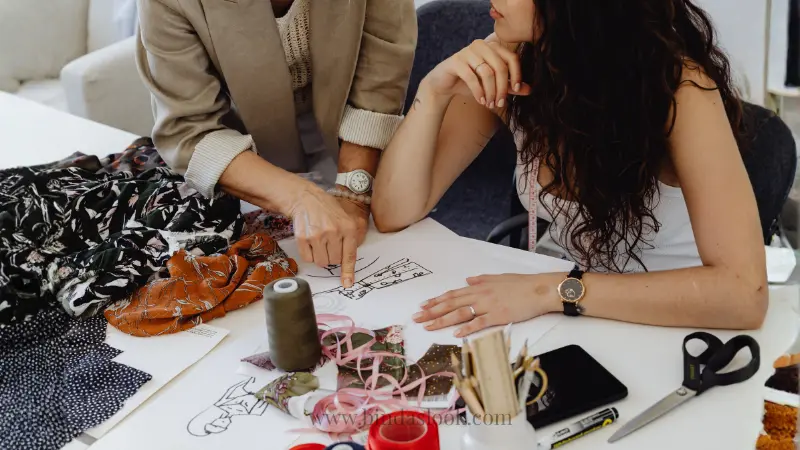
In a hyper-digital world, there's a profound yearning for the tangible. 2026 will see a celebration of artisanal craftsmanship, heritage techniques, and garments that tell a story. Think hand-stitched details, intricate embroidery, unique weaves, and the beauty of natural imperfections. This trend values the human touch, durability, and a slower approach to fashion, echoing consumer demand for quality over quantity.
Neo-Utility and Functional Minimalism
Building on the desire for comfort and practicality, Neo-Utility focuses on intelligent design and versatile garments. Multi-functional pieces, modular elements, and clothing with integrated technology will become commonplace. This aesthetic leans towards clean lines, muted palettes, and durable, high-performance fabrics, prioritizing form that follows function without sacrificing elegance. It's about fewer, better things that serve multiple purposes.
Optimistic Maximalism & Escapism
As a counterpoint to austerity and digital immersion, a vibrant, optimistic maximalism will emerge. This trend embraces bold colors, playful prints, theatrical silhouettes, and imaginative styling as a form of escapism and joyful expression. We anticipate rich textures, eclectic mixes of patterns, and extravagant details, reflecting a desire for celebration and fantasy after periods of restraint. It's an antidote to the mundane, promoting a sense of daring and fun.
Digital Duality: Bridging the Real and Virtual
Garments designed with both physical and digital presence in mind will define this paradigm. This includes clothing with QR codes linking to digital experiences, garments whose aesthetic changes with AR filters, or items that have a virtual twin in the metaverse. It's about seamlessly blending one's physical style with their digital identity, pushing the boundaries of what fashion can be.
Key Fabric and Material Innovations
- Bio-based Materials: Leather alternatives from mushrooms, pineapple leaves, or algae; textiles derived from agricultural waste.
- Recycled & Regenerated Fibers: Enhanced processes for turning waste into high-quality textiles (e.g., recycled polyester, regenerated nylon).
- Smart Textiles: Fabrics with integrated sensors for health monitoring, temperature regulation, or adaptive properties.
- Biodegradable Synthetics: Development of synthetic fibers that can break down safely at the end of their life cycle.
Color Palettes: A Study in Contrast
The 2026 palette will be dynamic, oscillating between extremes. We foresee grounding earthy neutrals and organic tones (e.g., deep forest greens, terracotta, sandy beige) reflecting nature and stability. Alongside these, vibrant, digitally-inspired brights (e.g., electric blues, saturated magentas, neon greens) will capture the energy of virtual worlds and optimism. Soothing pastels will offer a sense of calm, while rich, jewel-toned metallics will signify luxury and celebration.
Comparative Analysis: Traditional vs. Modern Trend Forecasting
The evolution of trend forecasting methodologies highlights a significant shift in how the industry anticipates the future.
| Feature | Traditional Forecasting (Pre-2015) | Modern Forecasting (2026 Outlook) |
|---|---|---|
| Primary Input | Runway shows, designer collections, elite street style, cultural arbiters. | Macro-economic data, social media analytics, geopolitical analysis, consumer sentiment data, technological advancements. |
| Methodology | Qualitative observation, intuition, industry expert opinions. | Data science, AI/ML algorithms, ethnographic research, collaborative foresight. |
| Focus | Aesthetic trends (color, silhouette, fabric). | Holistic trends (aesthetic, material innovation, business models, consumer values, sustainability). |
| Time Horizon | Short to medium-term (1-2 seasons ahead). | Medium to long-term (2-5 years ahead), strategic planning. |
| Key Outcome | Directional inspiration for designers and buyers. | Strategic insights for design, production, marketing, and corporate strategy. |
Beyond Products: The Future of Fashion Consumption
The definition of "owning" fashion is also undergoing a profound transformation. By 2026, we expect to see these shifts solidify.
Rental, Resale, and Repair Models
The shift from outright ownership to access and stewardship will accelerate. Rental platforms, peer-to-peer resale markets, and integrated repair services will become mainstream, extending garment lifespans and reducing waste. Brands that actively participate in or facilitate these circular models will build stronger relationships with environmentally conscious consumers.
Personalization and Customization at Scale
Leveraging AI and advanced manufacturing, personalized and customized garments will move beyond luxury. Consumers will increasingly expect clothing that fits perfectly, aligns with their unique style preferences, and can even be co-created with brands. This reduces overproduction and enhances individual satisfaction.
Conclusion
Decoding global fashion trends for 2026 reveals a landscape characterized by resilience, innovation, and a deeply ingrained sense of responsibility. From the macro-forces of sustainability and technology to the micro-aesthetics of crafted authenticity and digital duality, the future of fashion is multifaceted and dynamic. Brands that thrive will be those that embrace transparency, prioritize ethical practices, integrate cutting-edge technology, and remain acutely attuned to the evolving values and aspirations of a globally conscious consumer. The runway remains a vital platform, but the true pulse of fashion for 2026 beats far beyond its confines, resonating with the broader rhythms of our changing world.
For further insights into the future of fashion and retail, we recommend consulting reports from leading industry authorities. For instance, the annual State of Fashion report by McKinsey & Company provides comprehensive analysis of key themes shaping the industry. Additionally, the Ellen MacArthur Foundation's work on circular economy for textiles offers invaluable perspectives on sustainable practices.
Suggested Articles
 General
The Unwritten Rules: 5 Future of Fashion 2026 Trends That Will Dominate Your Feed (And Your Closet!)
Discover the top 5 unwritten rules shaping fashion in 2026. From sustainable styles to tech-infused apparel, learn wh...
Read Article arrow_forward Budget looks
The Ultimate Capsule Wardrobe for Women on a Budget (?5000, 2026)
Master minimalist fashion on a budget! Discover how to build a versatile capsule wardrobe for women under ?5000 in 20...
Read Article arrow_forward General
General
General
Old Money Aesthetic Outfits 2026: 15 Looks of Understated Wealth
Discover the 'Old Money' aesthetic for 2026. This guide details 15 timeless looks that embody understated luxury, qua...
Read Article arrow_forward