

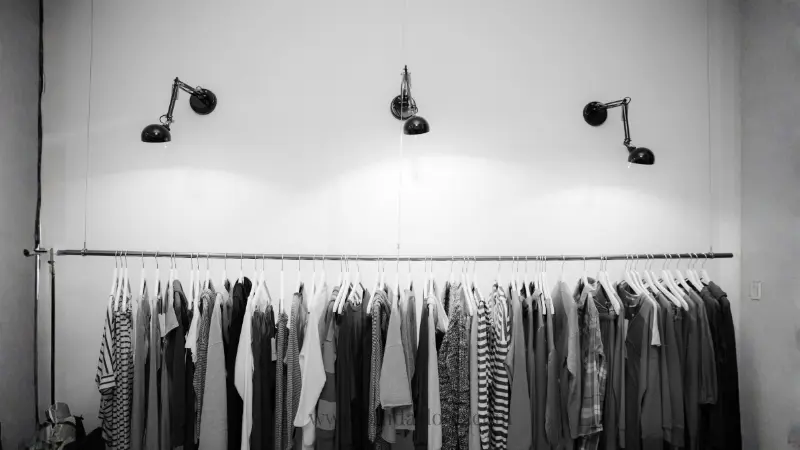
Beyond Labels: How Gender-Neutral Fashion is Redefining Style in 2026 (Case Study)
The fashion landscape of 2026 is one of fluidity, self-expression, and a profound re-evaluation of traditional boundaries. As seasoned strategists and copywriters in the evolving realm of style, we have systematically analyzed the seismic shifts occurring in consumer behavior and design philosophy. At the forefront of this transformation is gender-neutral fashion – a movement that transcends mere aesthetics to become a powerful cultural statement. This comprehensive article delves into how this transformative trend is not just influencing runways but fundamentally reshaping the very definition of style, offering a case study perspective on its implications for brands and consumers alike.
For decades, fashion has operated within a rigid binary, dictating what is 'masculine' and what is 'feminine' through cut, fabric, color, and silhouette. However, the modern consumer, particularly younger generations, increasingly rejects these prescriptive labels. We observe a powerful desire for authenticity and personal autonomy that resonates deeply within their purchasing decisions. Gender-neutral fashion directly addresses this demand, fostering an environment where clothing is chosen for its inherent appeal, comfort, and expressive potential, rather than its perceived alignment with a specific gender.
Deconstructing "Gender-Neutral Fashion": A Definitive Perspective
To truly grasp the significance of this movement, we must first define its core tenets. Gender-neutral fashion, often interchangeably referred to as gender-fluid or unisex fashion, is not a new concept, but its current manifestation is distinct and far more impactful than previous iterations.
More Than Just Androgyny: Defining the Modern Movement
Historically, unisex fashion often leaned into an androgynous aesthetic, blurring lines by adopting conventionally masculine silhouettes for all. Think of the 1960s mod looks or certain grunge styles of the 1990s. While these movements were groundbreaking, modern gender-neutral fashion extends beyond simple androgyny. It champions a broader spectrum of design that allows individuals to express their identity without constraint.
Today, gender-neutrality in fashion means creating garments that are inherently designed without a specific gender in mind. This involves a thoughtful consideration of fit, proportion, and construction to ensure adaptability across various body types. It's about empowering consumers to curate a wardrobe that genuinely reflects who they are, irrespective of societal expectations. We see designers focusing on modularity, adjustable elements, and versatile pieces that can be styled in myriad ways, emphasizing individual interpretation over imposed categories.
Historical Echoes: The Path to Today's Fluidity
The journey towards gender-neutral dressing has been a long and fascinating one. From the practicalities of medieval tunics worn by all, to the rebellious adoption of menswear elements by women in the early 20th century (think Coco Chanel's trousers), history offers numerous precedents for blurring gendered sartorial lines. The 1970s saw glam rock icons like David Bowie shattering norms with flamboyant, gender-bending costumes, while designers such as Rudi Gernreich championed early unisex collections. More recently, the athleisure trend further normalized comfortable, less structured clothing for everyone.
These historical moments, while impactful, often existed as niche movements or counter-cultural statements. What we observe in 2026 is a mainstreaming of these principles, driven by a deeper societal understanding of gender identity and a globalized, digitally interconnected culture. The conversation has moved beyond mere fashion trends to encompass fundamental human rights and personal freedom.
The Driving Forces: Why Gender-Neutrality is Gaining Momentum
The acceleration of gender-neutral fashion is not accidental. It is the confluence of powerful societal, economic, and technological forces that are collectively reshaping our world.
Societal Shifts: A New Generation's Values
At the heart of this revolution is a new generation of consumers, primarily Gen Z and Gen Alpha. We consistently find that these demographics prioritize authenticity, inclusivity, and social justice in their consumption choices. They are digital natives who have grown up with diverse perspectives and readily challenge traditional norms, including those related to gender. For them, clothing is a powerful tool for self-expression, not conformity.
- Authenticity over Aspiration: Young consumers seek brands that resonate with their values, prioritizing genuine self-expression over idealized, often unattainable, aesthetics.
- Fluid Identities: A greater acceptance and understanding of gender diversity means fewer individuals feel bound by binary expectations in any aspect of their lives, including fashion.
- Ethical Consumption: Coupled with sustainability concerns, gender-neutral designs often align with a desire for versatile, long-lasting pieces that defy transient trends.
Consumer Demand and Market Dynamics
The commercial imperative for brands to embrace gender-neutrality is undeniable. As this segment of the population gains purchasing power, brands that fail to adapt risk becoming irrelevant. We have seen a significant shift in market dynamics:
- Expanded Market Reach: Gender-neutral collections open up new consumer bases, appealing to anyone who appreciates the design, regardless of gender.
- Increased Brand Loyalty: Brands that authentically champion inclusivity and diversity cultivate stronger emotional connections with their consumers, fostering loyalty that extends beyond seasonal trends.
- Reduced Inventory Complexity (Potential): While requiring careful planning, a move towards gender-neutral sizing and design can, in some cases, streamline production and reduce the need for strictly separate male/female lines.
According to a report by McKinsey & Company, consumer preferences for sustainable and inclusive products are significantly influencing purchasing decisions across various industries, including fashion. This trend is only projected to intensify as younger generations mature into their prime spending years. We refer to their ongoing 'State of Fashion' reports, which consistently highlight the growing importance of values-driven consumption.
Technological Advancements and Digital Influence
Technology plays a dual role in propagating gender-neutral fashion. Social media platforms provide immediate visibility and global reach for diverse styles and designers, democratizing fashion narratives. Influencers and content creators routinely showcase clothing worn without traditional gender constraints, normalizing these choices for millions.
Furthermore, innovations like virtual fashion and digital avatars offer a risk-free environment for experimenting with identity and style. In the metaverse, gender labels become even more arbitrary, empowering users to define their aesthetic entirely on their own terms. This digital fluidity naturally spills over into real-world fashion choices.
Case Study: Navigating the Landscape of 2026
To illustrate the practical application of these principles, let us consider a hypothetical yet entirely plausible scenario: The 'Fluid Form' Collection by AuraWear, launched in early 2026.
Design Principles and Aesthetics of Gender-Neutral Collections
AuraWear's 'Fluid Form' collection is a prime example of successful gender-neutral design. We observed several key characteristics:
- Relaxed Silhouettes: The collection features oversized shirts, wide-leg trousers, and boxy jackets that prioritize comfort and ease of movement, fitting a diverse range of body shapes without clinging or restricting.
- Versatile Fabrics: Durable, breathable materials like organic cotton, linen blends, and technical performance fabrics are used, chosen for their universal appeal and functional benefits.
- Modularity and Layering: Many pieces are designed to be layered or combined in multiple ways, promoting creative expression and extending the garment's utility across seasons. Adjustable waistbands, convertible elements (e.g., zip-off sleeves), and unisex sizing further enhance adaptability.
- Strategic Color Palettes: Rather than adhering to 'masculine' or 'feminine' color stereotypes, AuraWear utilized a sophisticated palette of earth tones, muted pastels, and vibrant accents, encouraging individual preference.
The design philosophy was not about stripping away unique style but about offering a foundation for individual interpretation. The clothing became a canvas, rather than a costume.
Marketing and Retail Strategies for an Inclusive Market
AuraWear's marketing strategy for 'Fluid Form' was equally innovative. They eschewed traditional gendered campaigns, opting instead for diverse casting that reflected real-world fluidity. Models of various body types, ages, and gender presentations were featured, all styled authentically. Their online store presented clothing on multiple body types, allowing customers to visualize how garments would appear on different physiques.
In retail, AuraWear implemented a "size-inclusive" rather than "gender-specific" approach. Clothing was merchandised by style and size rather than by men's or women's sections. This subtle but powerful shift encouraged shoppers to explore the entire collection freely, guided by fit and aesthetic preference.
The Tangible Benefits of Embracing Gender-Neutral Fashion
The rise of gender-neutral fashion brings with it a cascade of benefits, impacting consumers, brands, and society at large.
For Consumers: Enhanced Self-Expression and Comfort
The most immediate benefit for consumers is the liberation from restrictive fashion norms. Individuals are no longer confined by the arbitrary dictates of 'menswear' or 'womenswear.' This freedom leads to:
- Authentic Identity: Consumers can choose clothing that truly reflects their internal sense of self, fostering greater psychological comfort and confidence.
- Expanded Wardrobe Options: The entire fashion spectrum becomes accessible, allowing for more creative and personalized styling.
- Practicality and Comfort: Many gender-neutral designs prioritize functionality and comfort, offering garments that are easy to wear and integrate into daily life.
For Brands: Expanded Market Reach and Brand Loyalty
For forward-thinking brands, embracing gender-neutrality is a strategic imperative that delivers clear competitive advantages:
- Broader Demographic Appeal: Tapping into a rapidly growing market segment that seeks inclusive products.
- Stronger Brand Image: Positioning the brand as progressive, inclusive, and attuned to modern values, which resonates deeply with younger, values-driven consumers.
- Increased Engagement: Fostering a community around shared values of freedom and expression, leading to higher customer lifetime value.
We've observed that brands adopting this approach often see increased social media engagement and positive public perception, signaling a healthy brand future.
For Society: Fostering Inclusivity and Breaking Stereotypes
Beyond commerce and individual choice, gender-neutral fashion contributes significantly to broader societal progress. By dismantling fashion's gendered architecture, it challenges harmful stereotypes and promotes a more inclusive world view. It visually normalizes gender diversity and encourages a culture where individuals are valued for who they are, rather than how they conform to predefined roles. This cultural shift, though seemingly subtle in fashion, has profound implications for social acceptance and equality.
Challenges and Strategic Considerations for Brands
While the opportunities are vast, transitioning to or embracing gender-neutral fashion is not without its hurdles. Brands must navigate existing infrastructures and ingrained mindsets.
Overcoming Traditional Mindsets and Infrastructure
Decades of operating within a binary system have created deep-seated traditions in the fashion industry. This includes everything from design processes and supply chain management to retail store layouts and marketing budgets. Overcoming these challenges requires a comprehensive strategic overhaul:
- Design Team Re-education: Training designers to think beyond traditional gender archetypes and focus on universal fit and appeal.
- Supply Chain Adaptations: Rethinking sizing charts, fabric sourcing, and manufacturing processes to accommodate a gender-agnostic approach.
- Retail Store Redesign: Moving away from separate 'men's' and 'women's' sections to more fluid, curated displays.
These operational shifts demand significant investment and a commitment from leadership to drive fundamental change.
The Pitfalls of Performative Inclusivity
A significant risk for brands is engaging in "gender-washing" – adopting the aesthetic of gender-neutrality without genuine commitment to its underlying values. Consumers are highly adept at identifying insincerity, and a lack of authentic engagement can lead to a backlash that damages brand reputation more than traditional inaction. True gender-neutrality must be embedded throughout the brand's ethos, from product development to internal company culture.
The following table illustrates key differences between traditional and gender-neutral fashion approaches:
| Aspect | Traditional Fashion Design Principles | Gender-Neutral Fashion Design Principles |
|---|---|---|
| Target Audience | Primarily binary (men's, women's sections) | Universal appeal, inclusive of all genders and non-binary individuals |
| Design Philosophy | Emphasizes gender-specific silhouettes, cuts, and details; often body-conforming | Focuses on universal fit, comfort, adaptability, and expressive potential; often relaxed or modular |
| Sizing | Distinct sizing charts for men and women (e.g., men's M, women's 8) | Universal sizing system (e.g., Size 1, 2, 3 or XS-XL based on body measurements) |
| Marketing & Campaigns | Gender-segregated models and narratives, often reinforcing stereotypes | Diverse casting, inclusive narratives, focus on individual style and authenticity |
| Retail Experience | Separate 'men's' and 'women's' departments | Integrated merchandising, often by style or color story, encouraging exploration |
| Color Palettes | Often adheres to gendered color associations (e.g., pink for girls, blue for boys) | Broader palettes, focused on aesthetic appeal and versatility rather than gendered meaning |
Looking Ahead: The Future Trajectory of Style Beyond Binary
The journey of gender-neutral fashion is far from over. As we look towards the late 2020s and beyond, we anticipate further innovation and deeper integration of these principles.
Personalization and Customization at the Forefront
The desire for individual expression will drive greater demand for personalization and customization. Advances in AI and data analytics will allow brands to offer highly tailored gender-neutral options, from made-to-measure garments to custom textile prints. We project a future where consumers can actively participate in the design process, ensuring their clothing perfectly aligns with their unique identity and body shape. This aligns perfectly with the core ethos of choice and freedom that gender-neutral fashion champions.
Sustainability as an Intertwined Value
The values of inclusivity and sustainability are increasingly intertwined. Gender-neutral fashion, by its very nature, often promotes the creation of versatile, durable, and timeless pieces that transcend seasonal trends. This reduces waste and encourages a more mindful approach to consumption. We expect to see brands increasingly highlight the eco-friendly aspects of their gender-neutral collections, positioning them as an ethical choice for conscious consumers. For instance, the Fashion Revolution movement, a globally recognized organization, consistently advocates for transparency and ethical practices across the fashion supply chain. Their work underscores the increasing demand for sustainable and responsible fashion, a demand that aligns seamlessly with the longevity and ethical production often associated with gender-neutral garments.
The Evolving Definition of "Fashion" Itself
Ultimately, gender-neutral fashion is contributing to a broader redefinition of what 'fashion' means. It moves beyond clothing as a mere indicator of status or gender, towards clothing as a deeply personal form of communication and a tool for authentic self-representation. This shift impacts not only garment design but also accessories, beauty, and lifestyle products, fostering an ecosystem where personal style knows no bounds.
Conclusion: A New Era of Authentic Expression
The year 2026 marks a significant milestone in the evolution of style, where gender-neutral fashion has moved from a niche concept to a powerful mainstream force. We have observed its profound impact on design principles, marketing strategies, and consumer behavior. This shift is driven by a generation that values authenticity, inclusivity, and personal freedom above all else, challenging archaic labels and embracing a fluid approach to identity.
For brands, this represents both a challenge and an immense opportunity. Those that genuinely embrace gender-neutrality, embedding its principles throughout their operations and communicating with authenticity, will not only capture new market segments but also build enduring loyalty. For consumers, it heralds a liberating era where clothing is a canvas for true self-expression, free from the constraints of societal expectations. As we continue to navigate this exciting transformation, we remain committed to analyzing and illuminating the pathways to a more inclusive, dynamic, and authentic future for fashion.
Suggested Articles
 General
 General
Tech-Driven Style: Innovation Redefining Fashion Trends 2026
Discover how AI, AR/VR, and smart textiles are revolutionizing fashion design, production, and consumer experience, s...
Read Article arrow_forward Budget looks
20 Stylish Outfits Under ?500: Budget Fashion India 2026
Unlock the secrets to stunning style without breaking the bank! Discover 20 chic outfit ideas for under ?500, perfect...
Read Article arrow_forward
General
The Great Shift: Global Events Reshaping Fashion Trends 2026
Explore how major global events, from economic shifts to cultural movements, are poised to redefine fashion trends in...
Read Article arrow_forward