

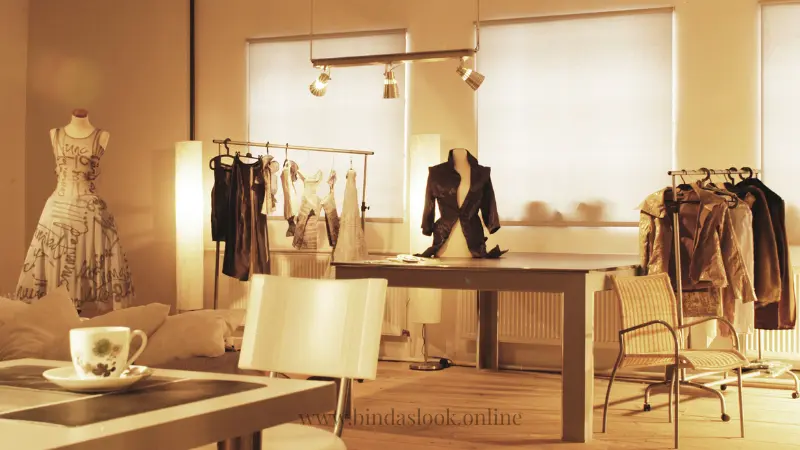
The Ultimate Eco-Luxe Guide: 10 Jaw-Dropping Eco-Friendly Outfits for 2026 (Look Rich, Live Responsibly!)
Welcome to BindasLook, where we believe that true style transcends fleeting trends and embraces a deeper commitment to our planet. In an era where conscious consumption is no longer an option but a necessity, the intersection of luxury and sustainability, often termed "eco-luxe," has emerged as the definitive fashion statement for 2026. This isn't just about looking good; it's about making choices that reflect responsibility, integrity, and a forward-thinking approach to personal style. We systematically analyzed the evolving landscape of sustainable fashion to bring you this comprehensive guide, proving that elegance and environmental stewardship can, and indeed must, coexist.
For too long, the fashion industry has grappled with a reputation for excess, waste, and questionable ethical practices. However, a seismic shift is underway. Consumers are increasingly demanding transparency, ethical production, and eco-friendly materials, driving brands to innovate and redefine what luxury truly means. At BindasLook, we are at the forefront of this movement, helping you navigate the exciting world of eco-luxe. We understand that upgrading your style should never come at the planet's expense. Instead, we champion a philosophy where looking rich is intrinsically linked to living responsibly, providing global fashion inspiration that is both chic and conscientious.
The Rise of Eco-Luxe Fashion: More Than Just a Trend
The concept of eco-luxe fashion signifies a profound evolution in how we perceive and consume clothing. It's a powerful rejection of the "take-make-dispose" linear model that has dominated the industry, replaced by a circular vision where quality, durability, and ethical considerations are paramount. This isn't a niche market anymore; it's the future of fashion.
Defining Eco-Luxe: Style Meets Stewardship
Eco-luxe, or sustainable luxury fashion, embodies the fusion of exquisite craftsmanship, timeless design, and a profound commitment to environmental and social responsibility. It's a mindset that prioritizes quality over quantity, investing in pieces that not only look incredible but also do good for the world. This means every garment tells a story of careful material selection, ethical production processes, and a reduced environmental footprint. It’s about demanding that our wardrobe choices align with our values, reflecting an informed and refined taste that extends beyond aesthetics.
Why Sustainability is Now Synonymous with Luxury
The shift towards integrating sustainability into luxury is driven by several compelling factors. Firstly, there's a growing global consumer awareness regarding environmental issues and social responsibility. A significant majority of US apparel shoppers (59%) desire a more eco-friendly fashion industry, and over 70% of Millennials consider sustainability in their purchasing decisions. This demand is translating into market growth, with the global sustainable fashion market projected to soar from USD 7.8 billion in 2023 to USD 33.05 billion by 2030, demonstrating a robust compound annual growth rate of 22.9%.
Secondly, luxury consumers, who are often ahead of trends, are increasingly holding brands accountable for their impact. They are willing to pay more – up to 5% for sustainable products, globally. This willingness is fostering innovation in material science and production methods, making it possible to create truly luxurious items without compromising the planet. Brands that embrace eco-luxe are demonstrating foresight, integrity, and a deep respect for both their customers and the world we inhabit.
Navigating the Sustainable Fashion Landscape: Key Considerations
Understanding the nuances of sustainable fashion is crucial for making informed purchasing decisions. It goes far beyond simply using "natural" fabrics; it encompasses the entire lifecycle of a garment.
Understanding Sustainable Materials
The foundation of eco-luxe lies in the materials chosen. We seek out fabrics that are not only beautiful and durable but also produced with minimal environmental impact. For 2026, innovative materials are taking center stage, challenging traditional textile hierarchies.
- Organic Cotton: Cultivated without synthetic pesticides or genetically modified seeds, organic cotton significantly reduces water consumption, often by as much as 91% compared to conventional cotton. It's a soft, breathable, and responsible choice.
- Recycled Polyester and Nylon: Derived from post-consumer plastic bottles and fishing nets, these materials divert waste from landfills and oceans, offering durable and high-performance options for everything from activewear to sophisticated outerwear.
- Hemp and Bamboo: Both highly renewable resources, hemp requires minimal water and pesticides, making it an ideal choice for eco-conscious consumers seeking durability. Bamboo, when processed responsibly, offers a silky drape and excellent breathability.
- Tencel™ and Modal: These regenerated cellulosic fibers are made from sustainably sourced wood pulp through an environmentally responsible closed-loop process, minimizing waste and resource use. They offer exceptional softness and drape, akin to silk.
- Innovative Vegan Leathers: Beyond traditional vegan options, 2026 is seeing the rise of groundbreaking materials like mycelium (mushroom-based) and pineapple leaf leather, offering luxurious, animal-free alternatives with a significantly lower ecological footprint. Hermès even debuted a mycelium bag that was indistinguishable from calfskin until disclosed.
- Deadstock and Upcycled Fabrics: Utilizing leftover fabrics from other productions or transforming existing garments breathes new life into materials that would otherwise go to waste, reducing demand for new resources. Marine Serre, for example, showcased an entire lineup built from pre-existing materials, demonstrating zero virgin material use.
Ethical Production: Beyond the Fabric
Sustainable fashion isn't just about what materials are used; it's also about how garments are made and by whom. Ethical production ensures fair wages, safe working conditions, and respect for human rights throughout the entire supply chain. This includes transparency in sourcing, low-impact manufacturing processes that minimize water usage and pollution, and a commitment to animal welfare where applicable. Brands committed to these principles often partner with certified ethical factories and provide traceability for their products, allowing consumers to understand the journey of their clothes.
Longevity and Circularity: The True Mark of Eco-Luxe
At the heart of eco-luxe is the principle of circular fashion, an approach that aims to design out waste, keep garments in use for longer, and cycle materials back into new products. This means designing for durability, repairability, and ultimately, recyclability. The fashion industry currently produces over 100 billion garments each year, with less than 1% of all textiles recycled into new products globally. Circular fashion seeks to change this by promoting concepts like sharing, leasing, reusing, repairing, refurbishing, and recycling. The focus on timeless designs and high-quality construction ensures that eco-luxe pieces are investment items meant to last, directly combating the throwaway culture propagated by fast fashion.
Our Curated Collection: 10 Jaw-Dropping Eco-Friendly Outfits for 2026
Inspired by the latest trends and committed to sustainable practices, we've curated 10 jaw-dropping eco-friendly outfits that embody the spirit of eco-luxe for 2026. These looks seamlessly blend modern aesthetics with responsible choices, proving that you can indeed look rich and live responsibly.
1. The Urban Explorer: Sustainable Denim Revolution
Forget rigid, resource-intensive denim. This outfit features a pair of perfectly tailored jeans crafted from organic cotton blended with a touch of recycled elastane for comfort and durability. Paired with an oversized shirt made from hemp-Tencel™ blend, this look is ideal for the conscious city-dweller. The raw hems and natural indigo dye, achieved with low-impact techniques, add a touch of effortless cool. Accessorize with a minimalist, plant-based leather backpack.
2. The Bohemian Rhapsody: Ethereal Comfort
Embrace flowing silhouettes and natural textures with an organic linen maxi dress, hand-embroidered with recycled threads. Its breathable fabric makes it perfect for warmer climates or a relaxed weekend. Layer it with a delicate, ethically sourced peace silk kimono for an added touch of luxury. This outfit speaks to a free spirit who values comfort, artistry, and environmental harmony.
3. The Power Suit Reinvented: Modern Professionalism
The 2026 power suit is sharp, sophisticated, and sustainable. Imagine a blazer and wide-leg trousers crafted from a blend of recycled wool and Tencel™, offering a luxurious feel and impeccable drape. The lining is made from recycled polyester. This ensemble projects confidence and competence, proving that professional attire can be both impactful and eco-conscious. Pair with a crisp organic cotton shirt.
4. Evening Elegance: Guilt-Free Glamour
For those special occasions, we envision a stunning cocktail dress made from innovative regenerated cellulose fabric, such as Cupro or Modal, known for its silky feel and beautiful sheen. The fabric is adorned with intricate details made from upcycled sequins or beads, giving a second life to embellishments. This outfit proves that glamour can be achieved without environmental compromise, ensuring you sparkle responsibly.
5. Sporty Chic: Performance with Purpose
The athleisure trend continues, now with a sustainable edge. This look features high-waisted leggings and a matching sports bra made from recycled performance fabrics derived from plastic bottles. A lightweight, breathable jacket made from recycled nylon completes the ensemble. Ideal for an active lifestyle, this outfit is designed for both peak performance and minimal environmental impact.
6. Minimalist Monochrome: Understated Luxury
Clean lines and a monochromatic palette define this sophisticated look. A sculptural knit top and trousers, both made from undyed organic hemp, offer a textured richness that speaks volumes. The simplicity highlights the quality of the material and the cut. This outfit embodies ethical minimalism, a key trend for 2026, focusing on timeless elegance over fleeting trends.
7. The Trans-seasonal Trench: Upcycled Artistry
A classic trench coat gets a sustainable update, crafted from meticulously deconstructed and reassembled vintage trench coats, creating a unique, one-of-a-kind piece. Each panel tells a story, making this outerwear a wearable work of art. This approach celebrates upcycling and circularity, reducing textile waste and promoting individuality.
8. Statement Outerwear: Innovative Vegan Leathers
Make a bold statement with a structured jacket fashioned from cutting-edge mycelium leather. Its rich texture and elegant finish rival traditional animal leather, but with a significantly smaller ecological footprint. This piece is a testament to how material innovation is transforming luxury fashion, offering cruelty-free options without sacrificing style or quality.
9. Resort Ready: Effortless Vacation Style
For your next getaway, imagine a printed co-ord set – a flowing kaftan and matching wide-leg pants – made from organic cotton voile or Tencel™ with low-impact, botanical dyes. The vibrant print is inspired by nature, reflecting the outfit's eco-conscious origins. This look combines comfort, style, and a commitment to preserving the beauty of our planet.
10. The Modern Classic: Deadstock Fabric Dress
A beautifully draped midi dress created from deadstock luxury silk or wool blend fabric. This resourceful approach ensures that high-quality materials, originally destined for landfill, find a second life in a stunning garment. The design is timeless, meant to be cherished and worn for years, making it a true modern classic in every sense.
Making Informed Choices: A Guide to Ethical Shopping
As consumers, our purchasing power is immense. By making deliberate, informed choices, we contribute to a more sustainable and ethical fashion industry. We believe in empowering you to be part of this positive change.
Decoding Certifications and Labels
Navigating the world of sustainable fashion can sometimes feel overwhelming due to the myriad of labels and claims. However, recognizing key certifications can significantly simplify the process. Certifications such as the Global Organic Textile Standard (GOTS) and OEKO-TEX provide assurance about a product's sustainable credentials, verifying organic status and the absence of harmful substances, respectively. These labels signify that brands are adhering to stringent environmental and social criteria throughout their supply chain. Furthermore, the implementation of Digital Product Passports, expected to become central in 2026, will offer enhanced traceability, environmental impact data, and product composition information, making transparency verifiable and communicable.
The Power of Your Purchase: Supporting Sustainable Brands
Every purchase is a vote for the kind of world we want to live in. By supporting brands that prioritize sustainable materials, ethical labor practices, and circular design principles, you are directly contributing to a healthier planet and fairer society. Research shows that a substantial percentage of consumers are willing to pay more for products from local and/or ethical companies. This collective demand pushes the industry towards greater responsibility and innovation. It also encourages brands to invest in sustainable textile innovations and energy-efficient manufacturing.
Extending the Life of Your Garments
One of the most impactful ways to practice sustainable fashion is to extend the lifespan of your clothing. This aligns perfectly with the BindasLook philosophy of investing in quality pieces that last. Simple actions like proper garment care, repairing instead of replacing, and opting for timeless designs that don't quickly fall out of style can significantly reduce your environmental footprint. The shift towards "ethical minimalism" and "slow fashion" in 2026 emphasizes quality, durability, and garments that follow your wardrobe over time, not just seasonal trends. This conscious consumption mindset is a powerful antidote to the fast fashion cycle, where clothes are worn for half as long as they were fifteen years ago, despite consumers buying 60% more.
Sustainable Fashion vs. Fast Fashion: A Comparative Overview
To highlight the stark contrast between conscious consumption and its outdated counterpart, we present a comparative overview:
| Attribute | Sustainable Fashion (Eco-Luxe) | Fast Fashion |
|---|---|---|
| Production Model | Circular economy; emphasis on longevity, repair, recycling, and regeneration. | Linear "take-make-dispose" model; rapid design-to-retail cycle. |
| Materials | Organic, recycled, innovative bio-based (e.g., organic cotton, Tencel™, mycelium leather, deadstock). | Conventional cotton, virgin polyester, nylon, cheap synthetics. |
| Environmental Impact | Low-impact dyes, reduced water/energy use, minimal waste, lower carbon footprint, reduced microplastic shedding. | High carbon emissions (10% global total), significant water consumption (second-largest industry consumer), massive textile waste, high water pollution, microplastic pollution. |
| Ethical Considerations | Fair wages, safe working conditions, transparency, animal welfare. | Often associated with exploitative labor practices and unsafe conditions. |
| Quality & Durability | High quality, durable, designed for longevity and timeless appeal. | Low quality, designed for short-term wear, quickly degrades. |
| Consumer Mindset | Investment pieces, conscious consumption, valuing quality and ethics. | Impulse buying, chasing trends, disposable fashion. |
The BindasLook Philosophy: Embracing Eco-Luxe for a Brighter Future
At BindasLook.online, our mission is to provide trendy outfit ideas, styling tips, and the latest fashion trends that empower you to upgrade your style with affordable and global fashion inspiration. We firmly believe that "affordable" extends beyond the initial purchase price to encompass the long-term value, durability, and positive impact of your wardrobe choices. Eco-luxe, though sometimes requiring a higher upfront investment, delivers exceptional value through its longevity, timeless appeal, and ethical integrity, ultimately reducing your cost-per-wear and aligning with responsible living.
We are committed to highlighting brands and practices that embody this eco-luxe philosophy, making it easier for you to discover and integrate sustainable choices into your personal style. We systematically analyze emerging trends and innovations to ensure that our recommendations are not only fashionable but also responsible. By focusing on quality, transparency, and the beauty of conscious craftsmanship, we aim to inspire a community of stylish individuals who recognize that true richness comes from choices that benefit both themselves and the world around them.
Conclusion
The year 2026 marks a pivotal moment in fashion, where eco-luxe is no longer a niche concept but the very essence of forward-thinking style. As we have explored, the convergence of luxury, sustainability, and ethical production offers a compelling vision for the future of our wardrobes. From innovative materials like mycelium leather and organic cotton to the transformative principles of circular fashion, the opportunities to "look rich and live responsibly" are more abundant and exciting than ever before.
We encourage you to embark on this journey with BindasLook, exploring the curated outfits and embracing the principles of conscious consumption. By prioritizing quality over quantity, supporting ethical brands, and extending the life of your garments, you contribute to a fashion revolution that is as impactful as it is elegant. Let your style reflect your values, making every outfit a statement of responsibility and refined taste. The future of fashion is sustainable, and it looks incredibly luxurious.
Suggested Articles
 General
Financial Freedom & Flawless Style: Build Your 2026 Capsule Wardrobe for Under $500
Discover how to create a versatile and chic capsule wardrobe for 2026 without breaking the bank. Learn smart shopping...
Read Article arrow_forward General
2026 Accessory Trends: Elevate Your Style with Key Pieces
Discover the essential accessory trends for 2026. From bold jewelry to sustainable bags, learn how to elevate your st...
Read Article arrow_forward
General
Simplify Your Style: Essential Fashion Trends 2026 for Effortless Chic
Discover how to simplify your wardrobe with key 2026 fashion trends. Achieve effortless chic with curated basics, rel...
Read Article arrow_forward Outfit ideas
Clean Girl Aesthetic Outfits 2026: 20 Minimalist Looks
Discover the 'Clean Girl Aesthetic' for 2026 with 20 viral minimalist outfits. Embrace timeless elegance, quality pie...
Read Article arrow_forward